




























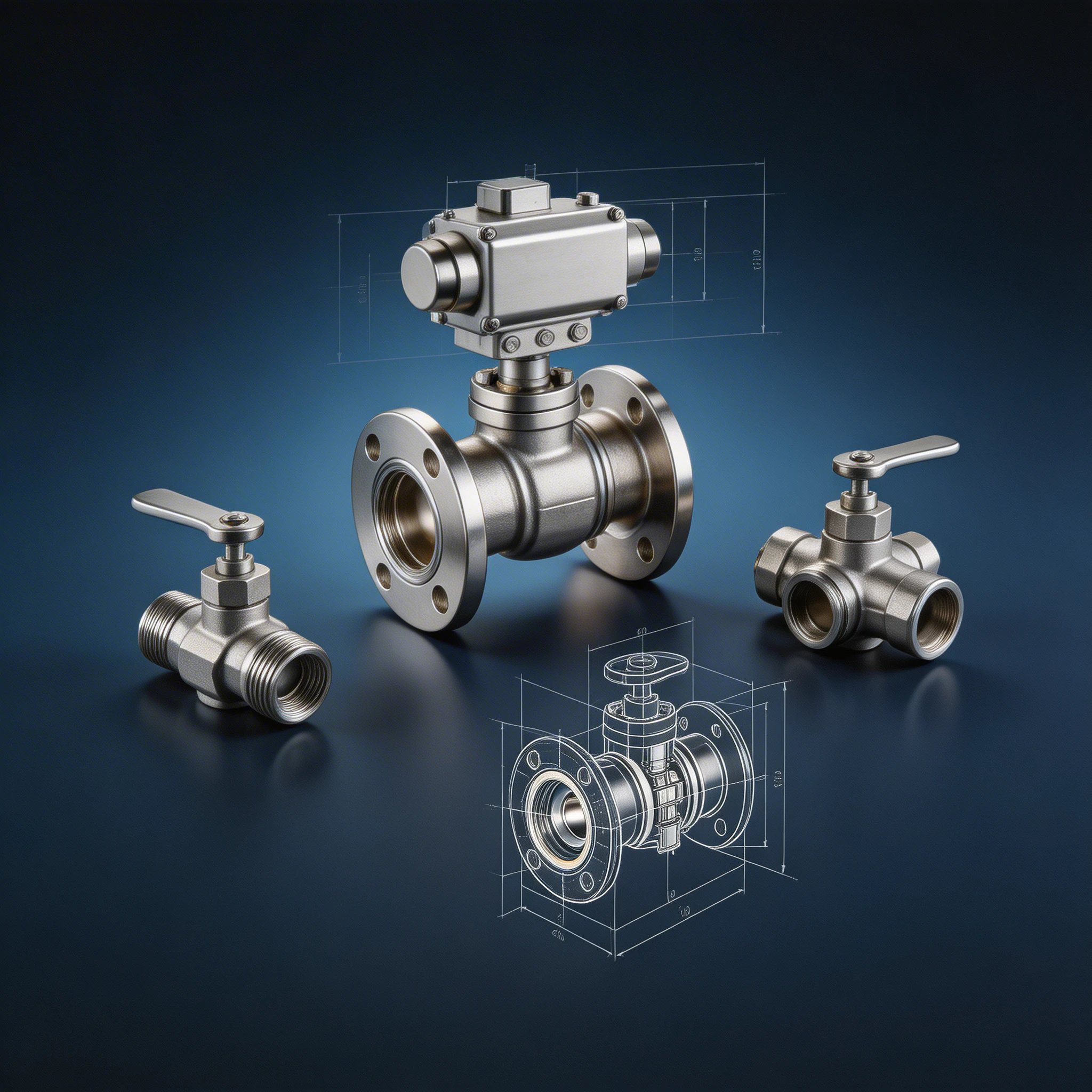
Industrial fluid control systems require precise valve selection to ensure operational reliability and cost-effectiveness. COVNA electric ball valves have supplied critical infrastructure projects across six continents for over two decades. This comprehensive guide examines the essential factors engineers and procurement specialists must consider when specifying ball valves for industrial applications.
Key Selection Parameters
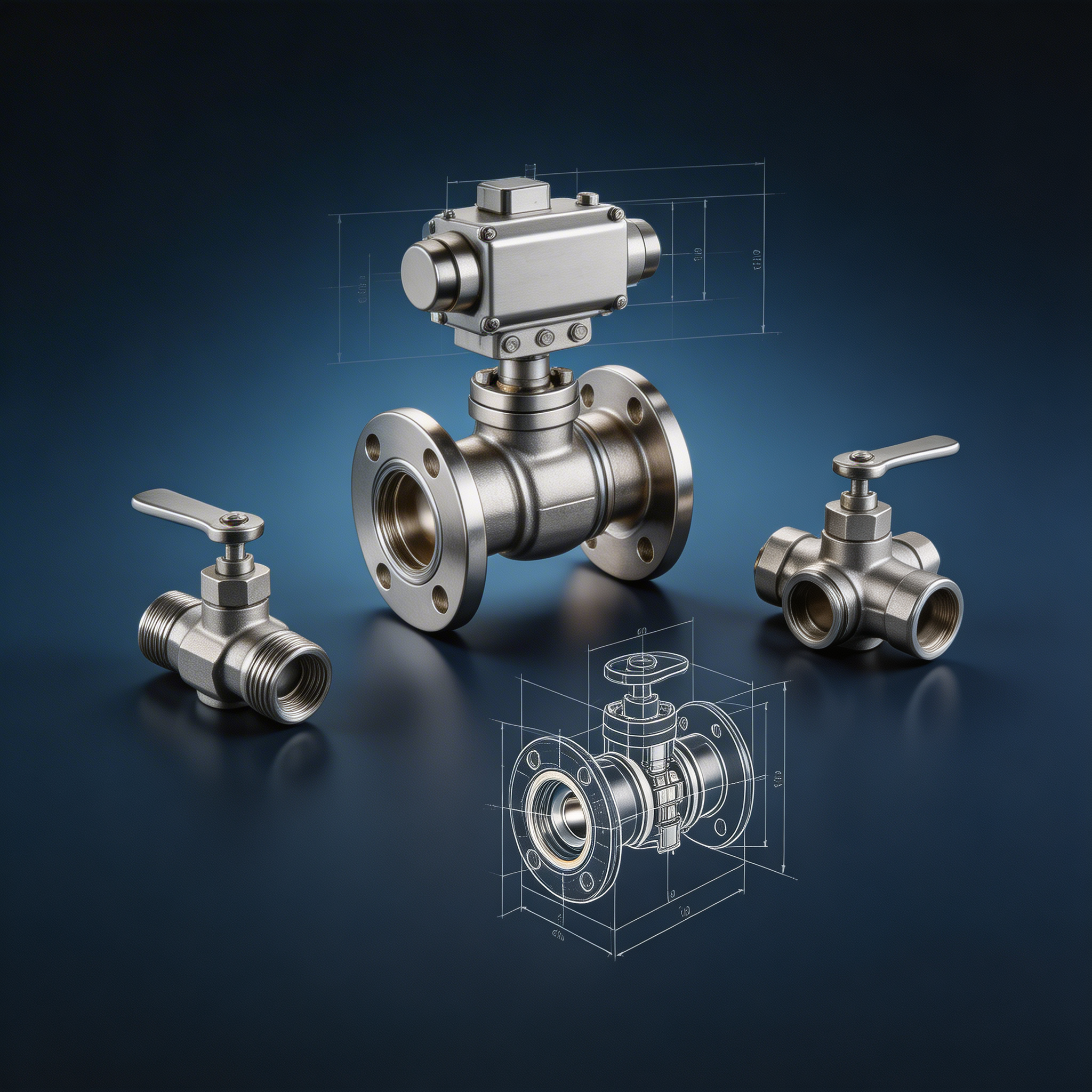
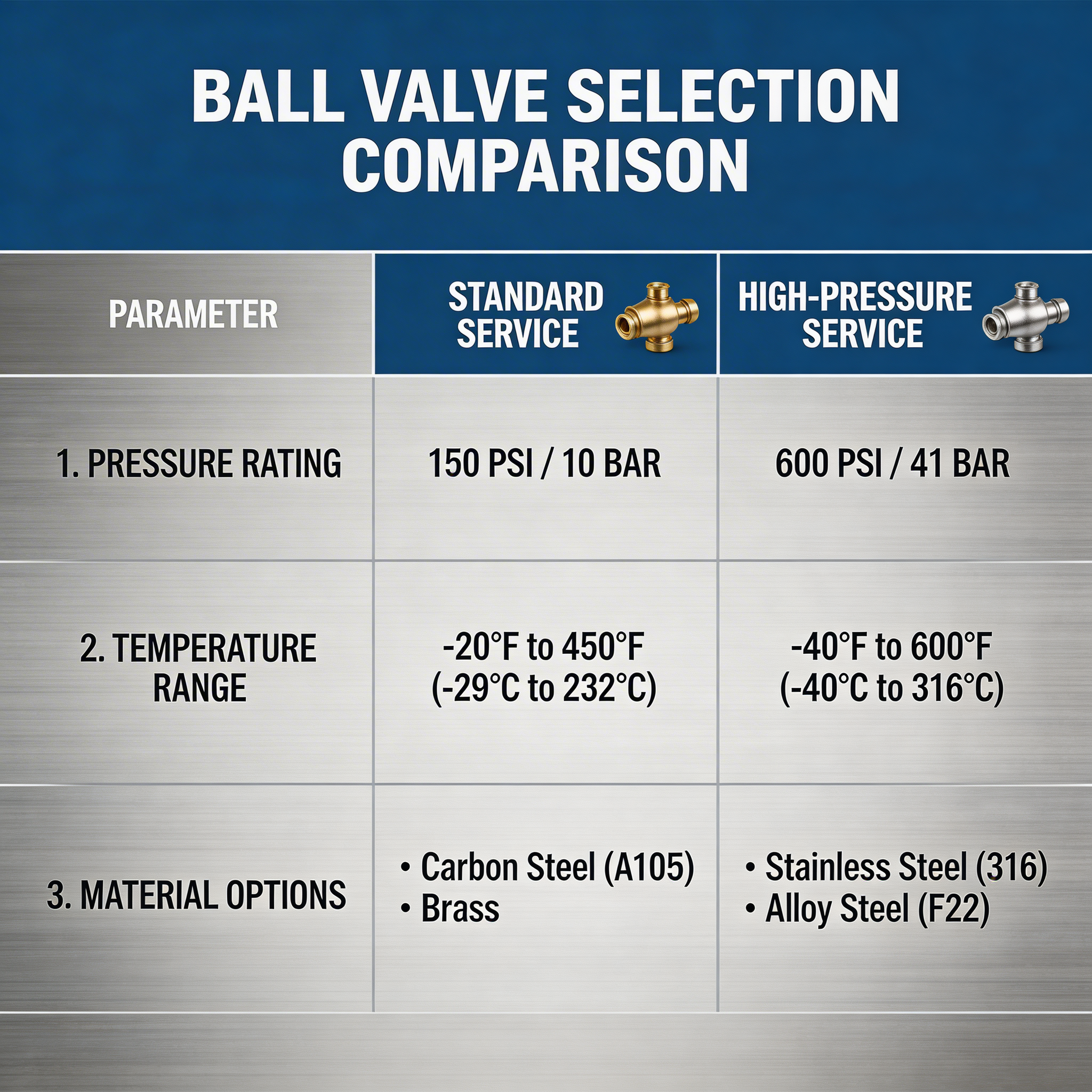
Selecting the right pneumatic ball valve requires understanding multiple interrelated factors. Pressure rating, temperature range, material compatibility, and end connection specifications all influence valve performance and service life.
Pressure and Temperature Ratings
| Pressure Class | Pressure Rating (psi) | Typical Applications |
|---|---|---|
| Class 150 | 285 | Water, HVAC |
| Class 300 | 740 | General industrial |
| Class 600 | 1,480 | Oil & gas processing |
| Class 900 | 2,220 | High-pressure steam |
Floating vs Trunnion Ball Valve Selection
Floating Ball Valve
- Pressure: Class 150-600
- Size: Up to NPS 8
- Cost-effective
- General industrial
Trunnion Ball Valve
- Pressure: Class 600-2500
- Size: Up to NPS 60
- High-performance
- Critical applications
Material Selection Guide
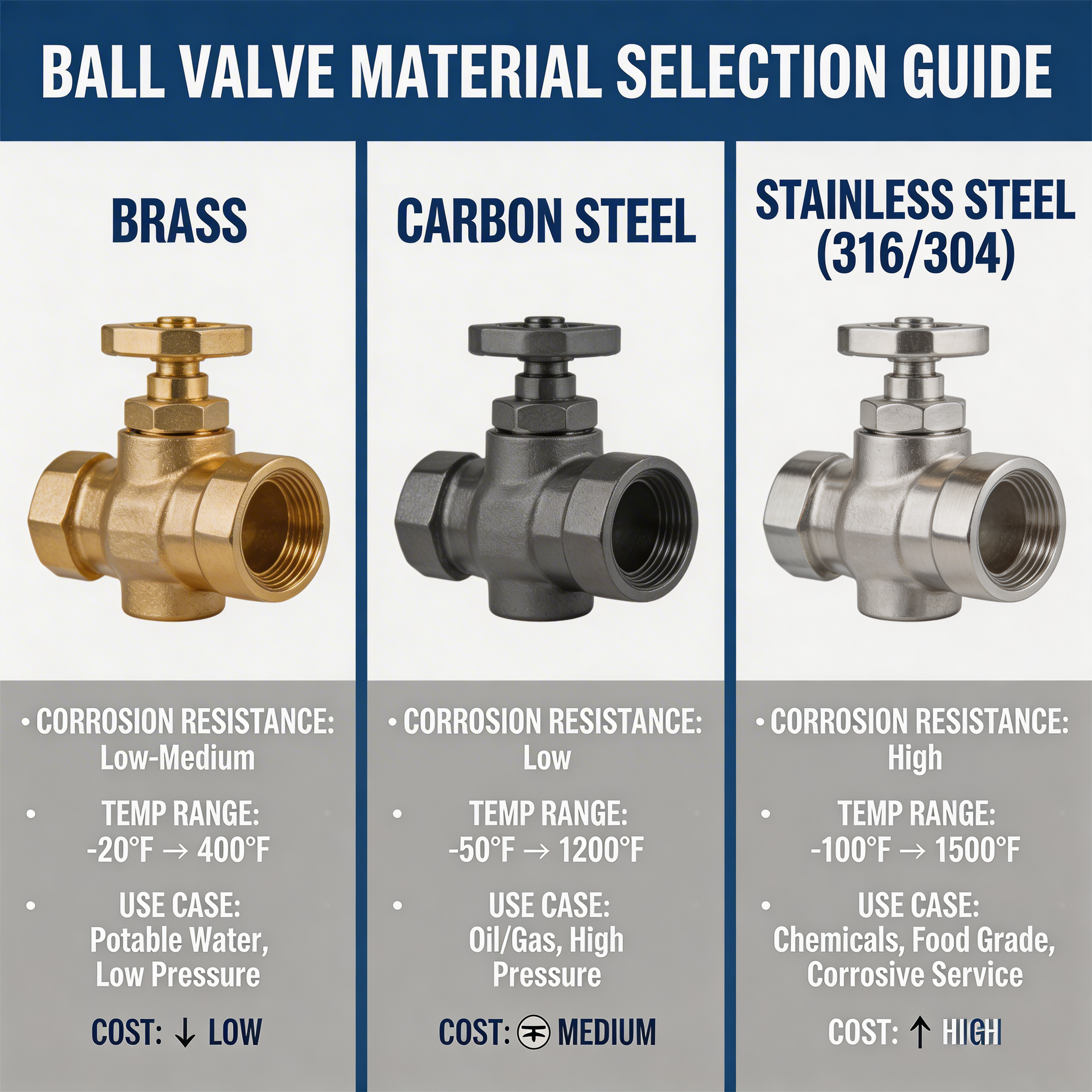
Electric valve material specification balances corrosion resistance, mechanical strength, temperature capability, and economic considerations. Carbon steel dominates general industrial applications, while stainless steel ball valves address corrosive environments.
| Material | Applications | Temperature Range |
|---|---|---|
| Carbon Steel (WCB) | Water, oil, gas | -29°C to 425°C |
| Stainless Steel (316) | Corrosive media | -196°C to 540°C |
| Brass/Bronze | Water, marine | -20°C to 200°C |
Industry Application Guidelines
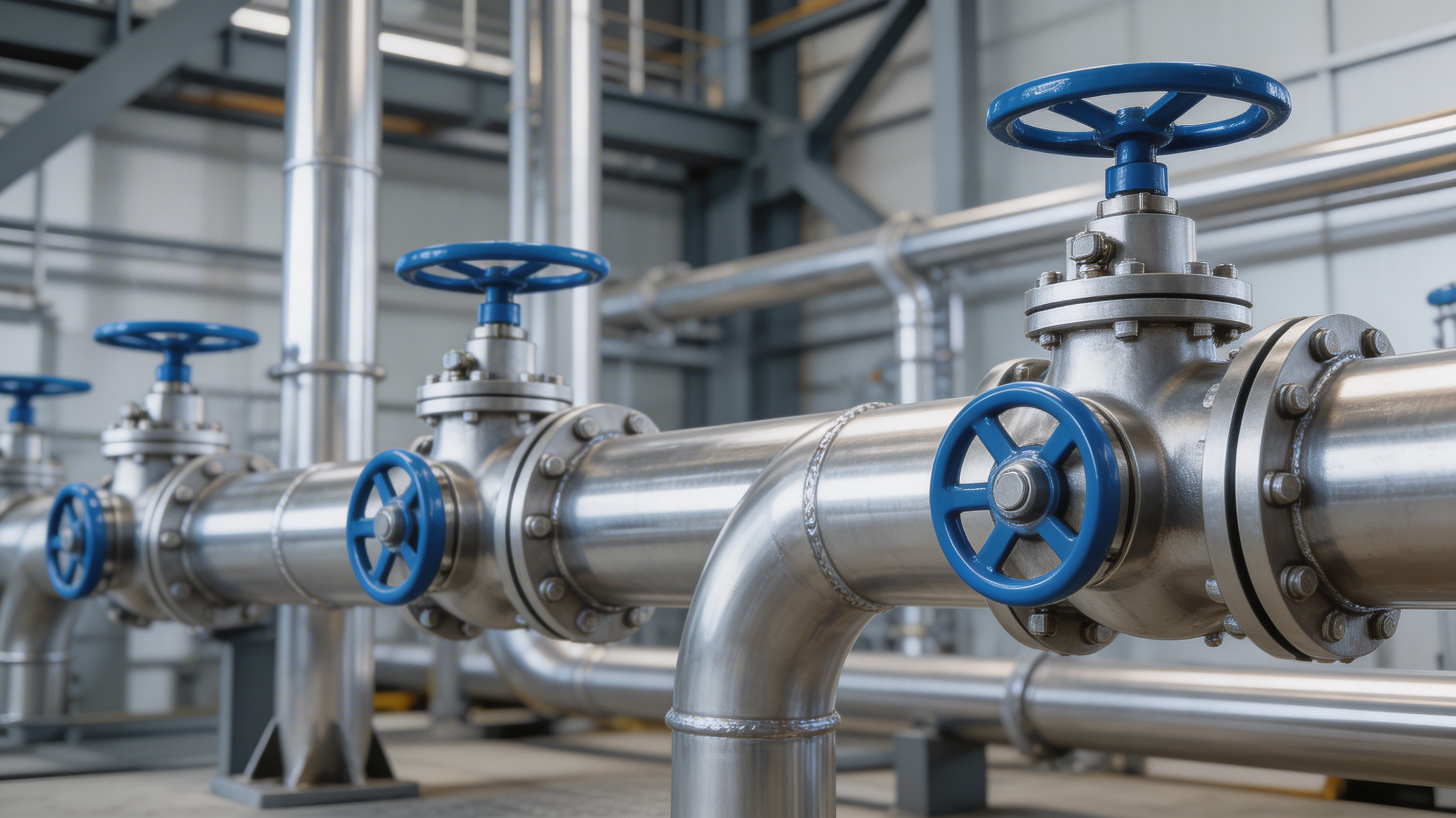
Oil & Gas Industry Requirements
API 6D compliance, fire-safe certification, metal seats for high pressure, NACE MR0175 for sour service. Pneumatic valves are commonly used in these applications.
Chemical Processing Requirements
Material compatibility with aggressive media, low-emission packing, corrosion-resistant alloys. Solenoid valves provide precise control.
Selection Process Steps
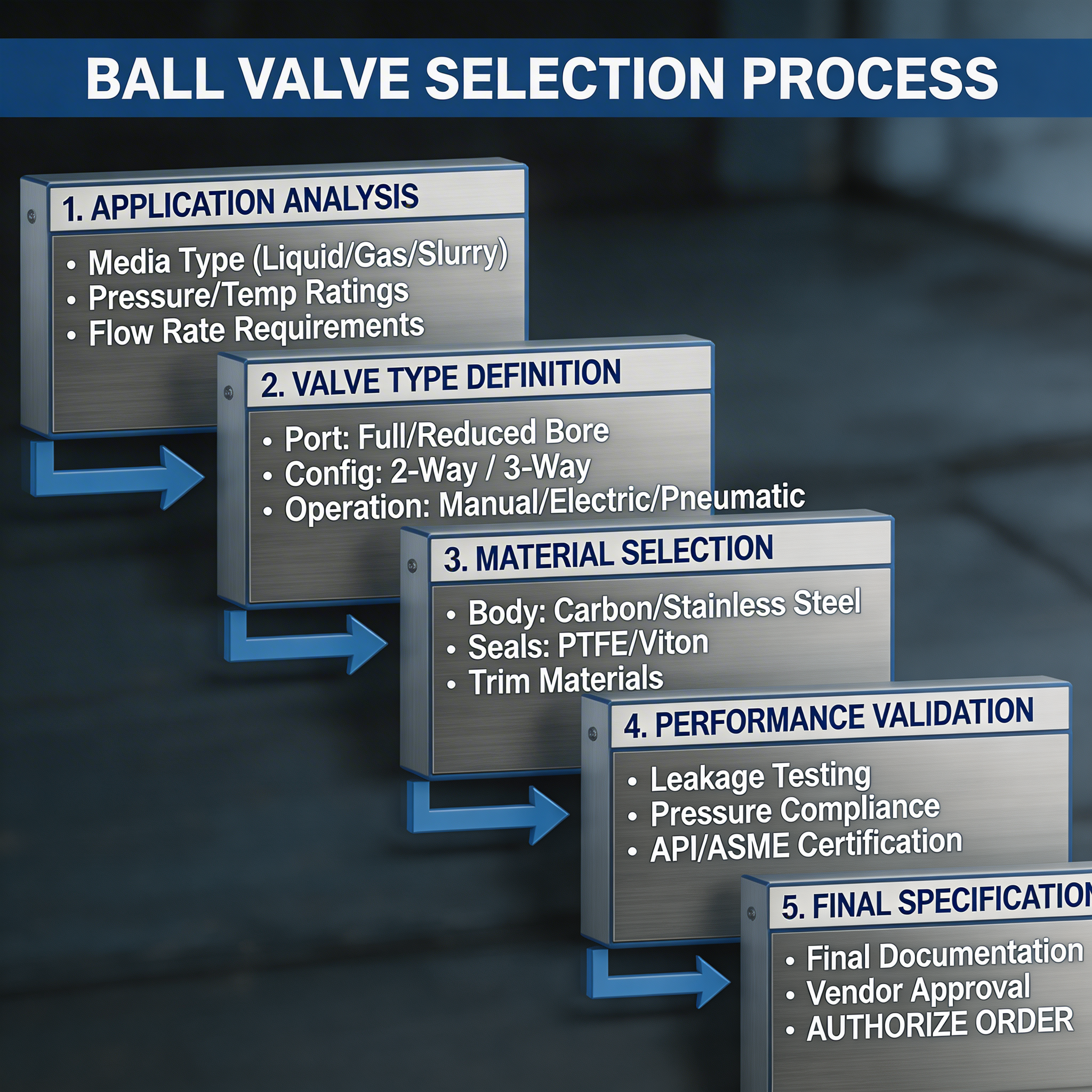
Proper valve selection requires systematic analysis of application requirements. Rushing this process leads to premature failure and costly downtime.
COVNA Valve Engineering Team
Common Selection Errors
| Error | Consequence | Prevention |
|---|---|---|
| Undersizing for pressure | Seat failure, leakage | Include safety margin |
| Wrong material | Corrosion, contamination | Verify media compatibility |
| Ignoring temperature | Seal degradation | Check PTFE/PEEK limits |
Conclusion
Ball valve selection demands careful consideration of pressure, temperature, material, and application requirements. COVNA Valve's engineering team provides technical support for complex specifications. Contact our specialists for application-specific guidance and ensure your industrial control valve systems operate reliably for decades.