

























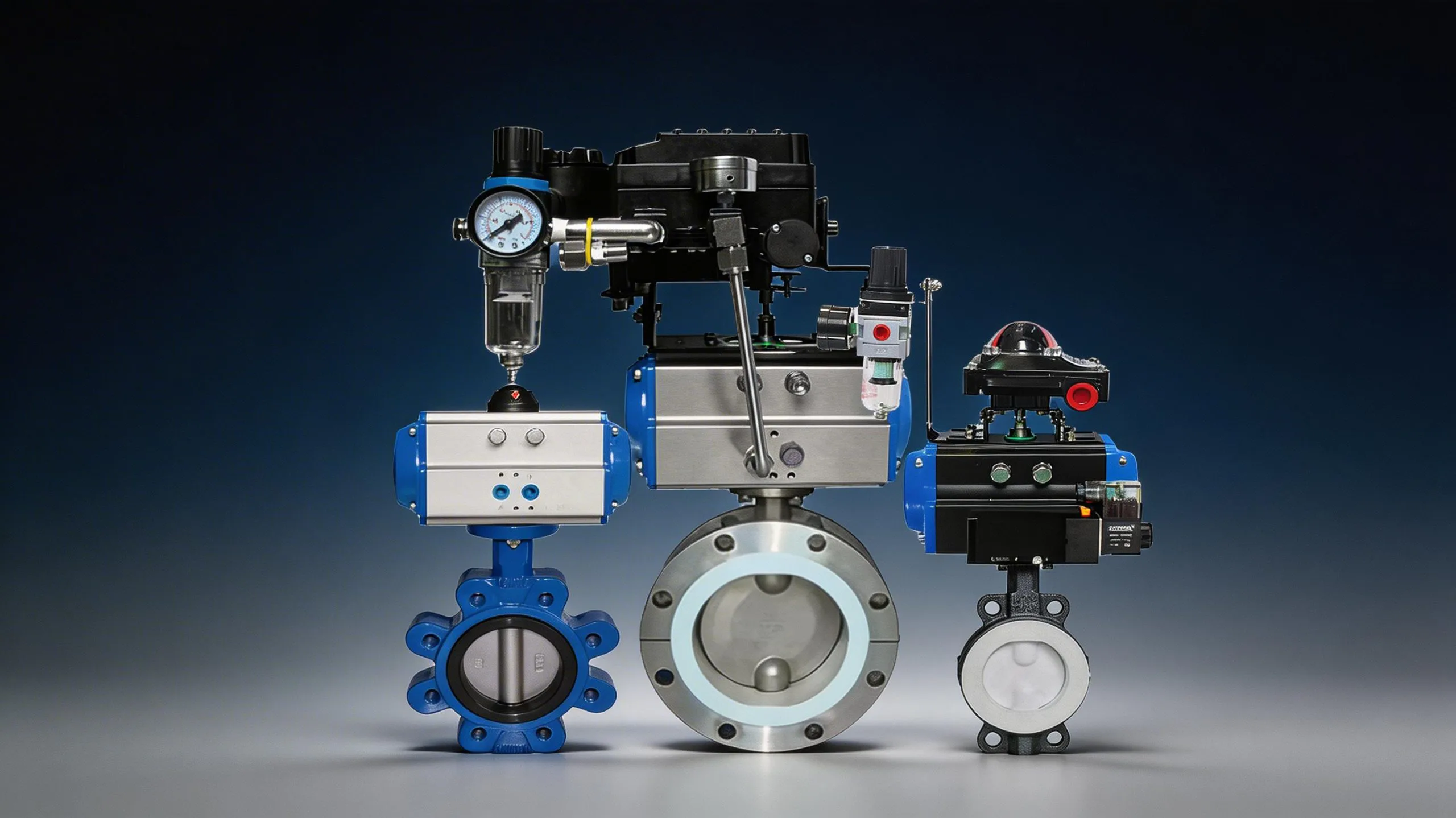
Introduction to Butterfly Valve Technology
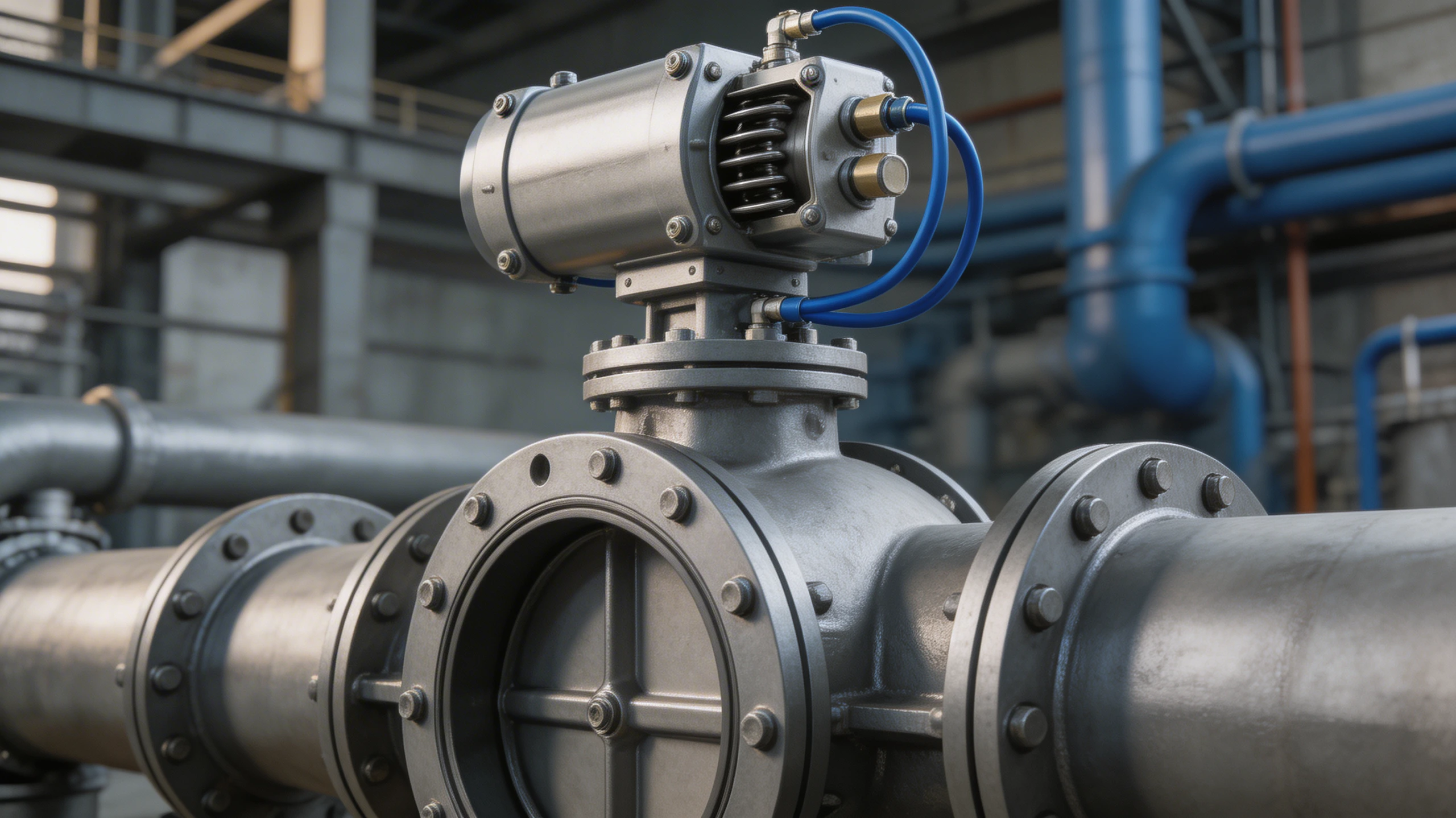
Understanding the butterfly valve working principle is essential for proper application. The butterfly valve stands as one of the most versatile and widely adopted flow control devices in modern industrial piping systems. Its compact design, quarter-turn operation, and cost-effective construction have made it indispensable across water treatment, chemical processing, power generation, and HVAC applications. COVNA Valve's engineering division has deployed butterfly valve solutions in over 60 countries, accumulating extensive field data on performance optimization and failure prevention.
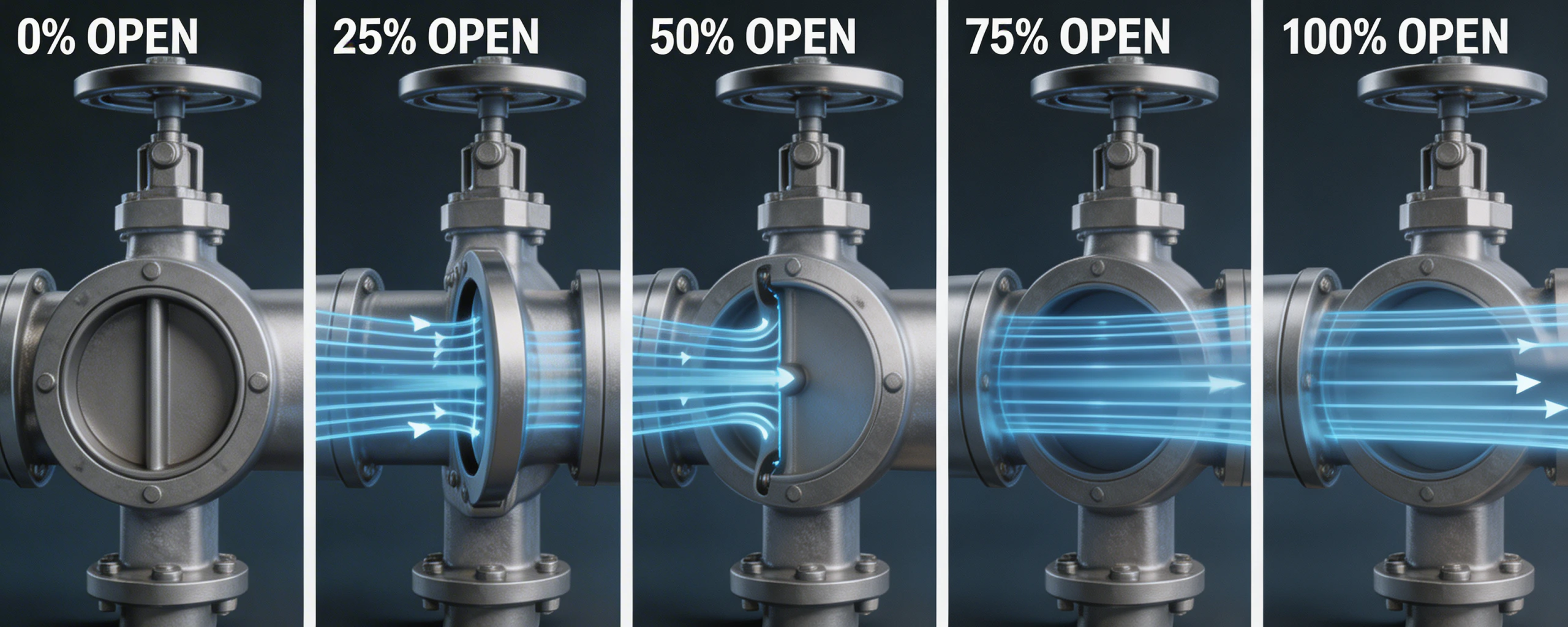
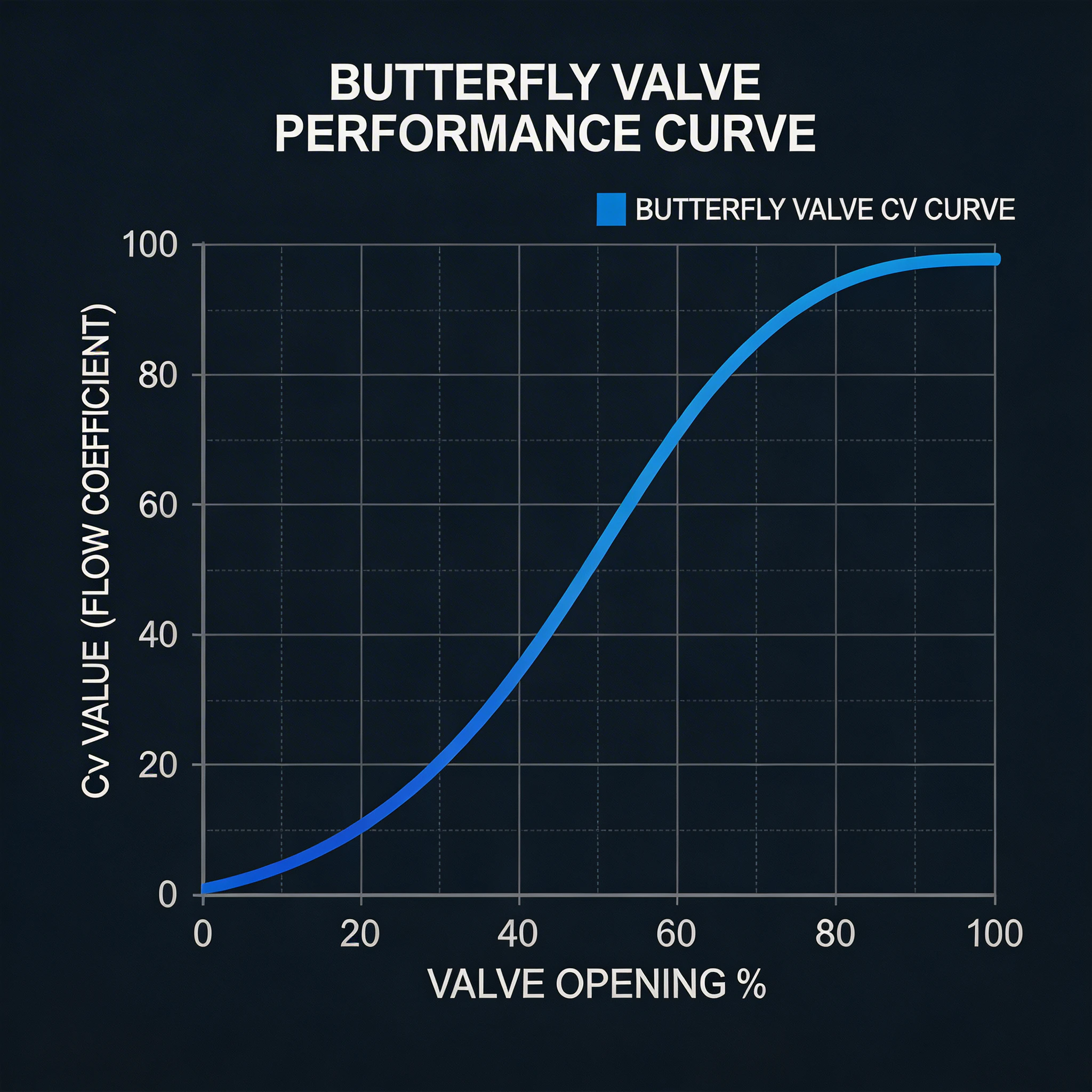
Unlike gate or globe valves that require multiple turns to operate, butterfly valves achieve full open-to-close rotation in just 90 degrees. This fundamental design characteristic enables rapid flow isolation and precise throttling control while minimizing actuator torque requirements.
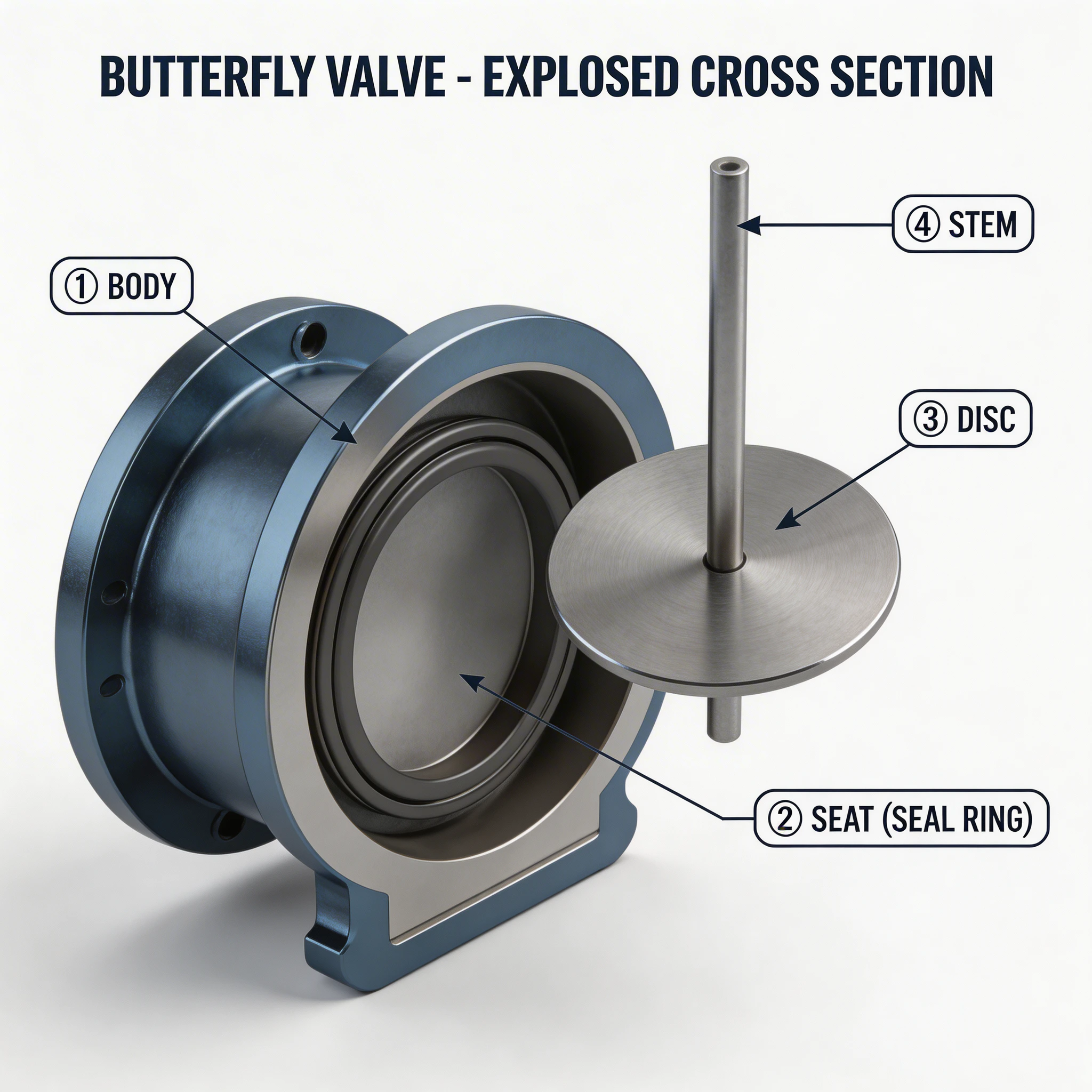
Butterfly Valve Construction and Components
Body Designs
Butterfly valves are manufactured in three primary body configurations:
- Wafer Style: The most economical design with a slim profile fitting between two pipe flanges. COVNA Valve's wafer series handles pressures up to PN25.
- Lug Style: Features threaded inserts allowing independent bolting from each flange side, enabling dead-end service.
- Flanged Style: Double-flanged bodies integrate mating flanges into the casting for large-diameter applications (DN300+).
For alternative valve solutions, explore our comprehensive ball valve selection guide.
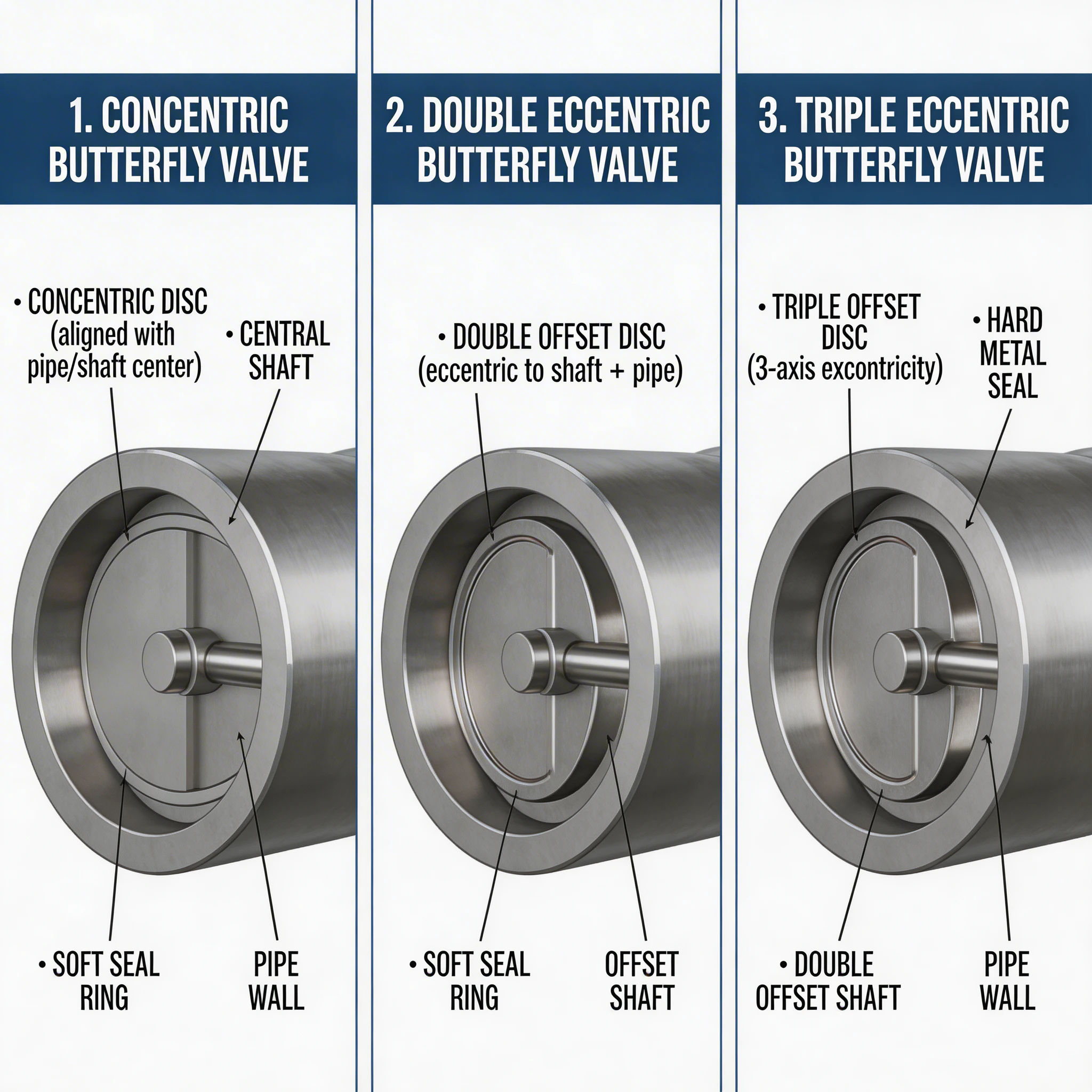
Disc Materials and Geometry
The disc is the primary flow control element, available in multiple configurations:
- Concentric Disc: Standard design with rubber-lined or resilient-seated variants achieving bubble-tight closure.
- Double Eccentric (High-Performance): Camming action reduces seat contact during opening/closing, extending service life.
- Triple Eccentric (Triple Offset): Conical seating geometry enables zero-leakage shutoff in critical hydrocarbon and steam services.
To understand complementary flow control solutions, review our guide on check valve types and applications.
Butterfly Valve Applications by Industry
Water and Wastewater
Butterfly valves constitute the dominant flow control technology in municipal water systems for pump control, treatment plants, and reservoir level control. NSF/ANSI 61 and 372 certified materials ensure potable water safety.
Chemical and Petrochemical
Aggressive media demand carefully specified butterfly valve configurations including PTFE-lined bodies for corrosive chemicals and triple-offset metal-seated valves for high-temperature hydrocarbon processing.
Power Generation
Butterfly valves serve critical functions in thermal, nuclear, and renewable power facilities for cooling water systems, steam services, and emissions control. For precise pressure management, consider integrating pressure control valve systems.
Technical Specifications Summary
| Parameter | Resilient Seated | High Performance | Triple Offset |
|---|---|---|---|
| Pressure Rating | PN10-PN25 | PN25-PN40 | PN40-PN100 |
| Temperature Range | -20°C to 120°C | -40°C to 300°C | -196°C to 650°C |
| Seat Material | EPDM/NBR/Viton/PTFE | PTFE/Metal | Metal/Stellite |
| Applications | Water, HVAC | Chemical, Steam | Oil, Gas, Critical |
For automated flow control alternatives, explore our guide on electric control valves.
Conclusion
Butterfly valves offer an optimal balance of performance, cost, and reliability for diverse industrial flow control applications. COVNA Valve's comprehensive butterfly valve portfolio spans resilient-seated waterworks valves through high-performance triple-offset designs for critical hydrocarbon services. For technical documentation or application engineering support, contact COVNA Valve's technical services department.