




























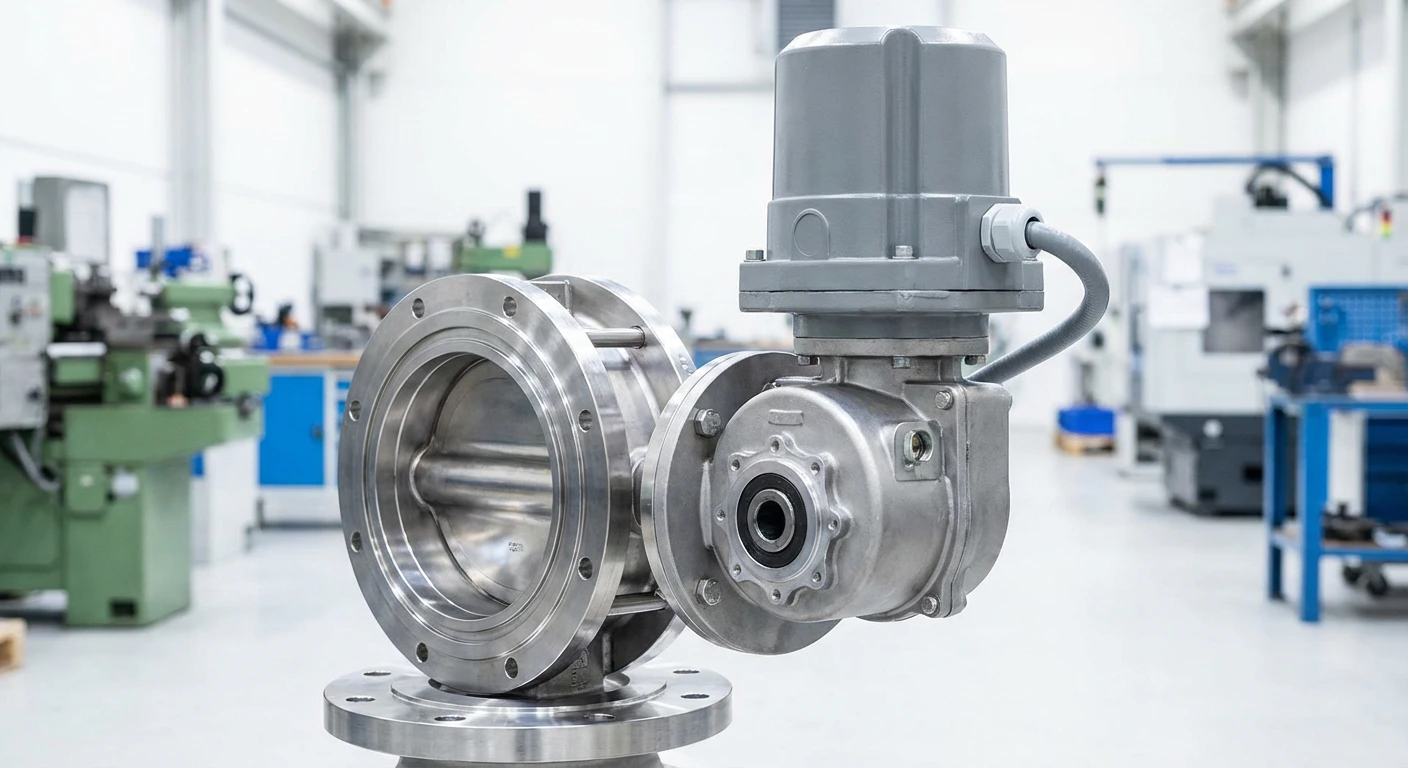
Efficient motorized valve offering precise flow control durable design and reliable automation for HVAC plumbing and industrial systems
What is a Motorized Butterfly Valve?
Definition and Basic Function
A motorized butterfly valve is a sophisticated flow control device designed to regulate or isolate the flow of fluids in a pipeline. Unlike manual valves that require physical operation, this automated solution utilizes an electric motor to drive the closing mechanism. It functions as a quarter-turn valve, meaning the internal element rotates 90 degrees to fully open or close the passage.
At COVNA, we engineer these valves to serve as critical components in industrial automation. By converting electrical energy into mechanical motion, they provide precise control over fluid flow rate and pressure. This makes them essential for applications requiring remote operation or frequent cycling, such as water treatment facilities and HVAC systems.
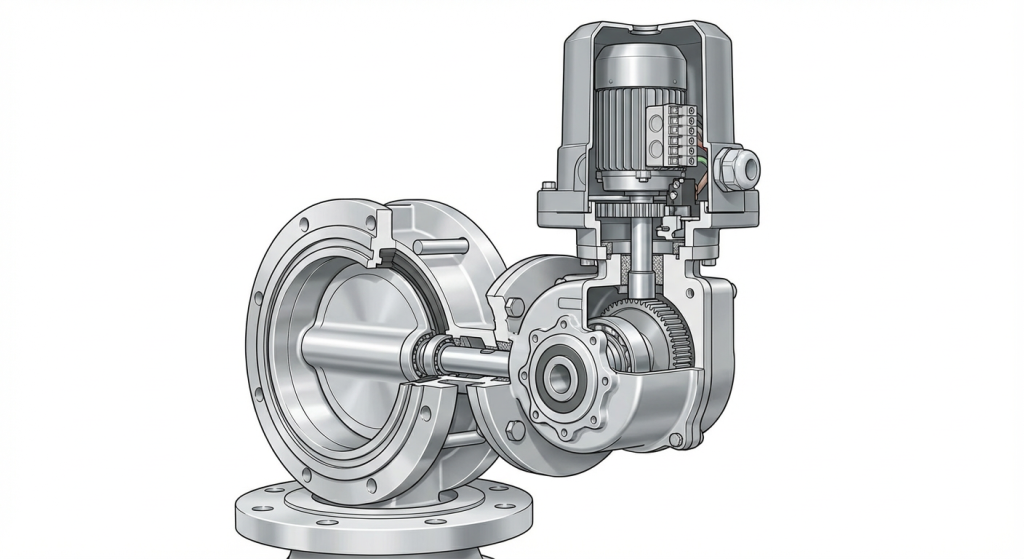
Key Components: Electric Actuator and Valve Body
The efficiency of a motorized valve relies on the seamless integration of two primary assemblies:
- Electric Actuator: This is the power unit mounted on top of the valve. It houses the motor and gear train responsible for generating the necessary actuator torque. Our actuators are available in various configurations, including On/Off type for simple isolation and Modulating type for accurate positioning using 4-20mA or 0-10V signals.
- Valve Body: The structural component that connects directly to the pipeline. We manufacture bodies in durable materials like Stainless Steel (304/316), Cast Iron, and UPVC to suit different media compatibility requirements.
Internal Parts: Disc, Stem, and Seat
Inside the valve body, three critical parts work in unison to manage flow:
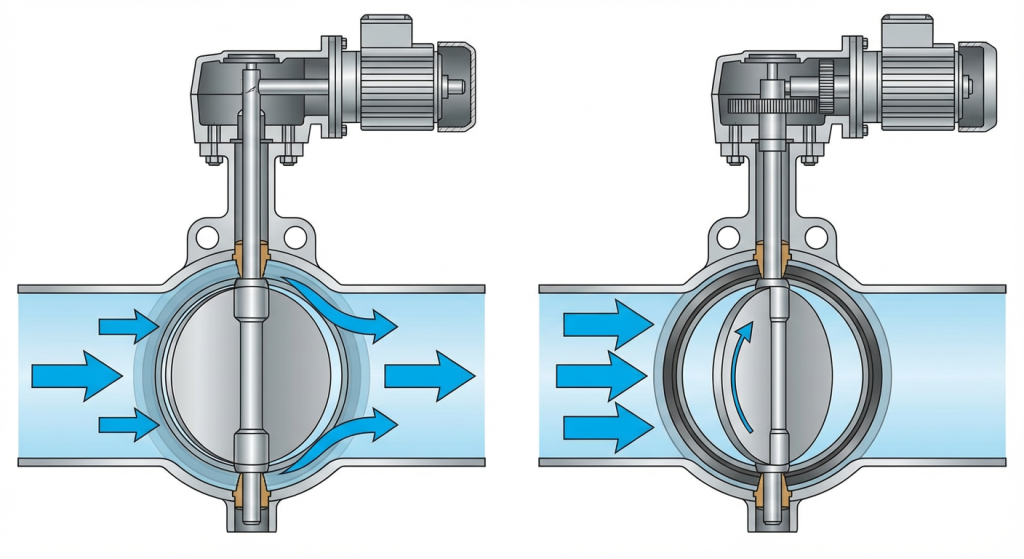
- Disc: The central valve disc acts as the gate. When aligned with the flow, it allows fluid to pass; when rotated perpendicular to the flow, it blocks the path.
- Stem: A metal shaft that connects the electric actuator to the disc. It transmits the torque generated by the motor to rotate the disc.
- Seat: The sealing surface against which the disc rests. To ensure a leak-proof shut-off, we utilize high-quality seat materials like EPDM or PTFE, providing a tight seal even in demanding environments.
How Does a Motorized Butterfly Valve Work?
The Role of the Electric Actuator
At the heart of the system lies the electric actuator, which serves as the muscle behind the operation. This component converts electrical energy into mechanical energy (torque) to drive the valve mechanism. Unlike manual valves that rely on a hand lever or gear operator, the motorized actuator automates the process, ensuring consistent performance without physical operator intervention.
We design our actuators to mount directly onto the valve body, creating a compact and robust unit. Whether your facility runs on DC24V, AC110V, or AC220V, the actuator receives the power input and translates it into precise rotational movement, enabling accurate and repeatable valve control.
Opening, Closing, and Throttling Processes
The motorized butterfly valve functions as a quarter-turn valve, meaning the internal disc only needs to rotate 90 degrees to switch between fully open and fully closed positions. When the actuator engages, it turns the valve stem, which rotates the disc within the flow path.
Modulating Control: For systems requiring precise flow regulation, we utilize modulating actuators. These accept 4-20mA or 0-10V control signals to position the disc at specific angles (e.g., 45 degrees).
On/Off Control: In standard applications, the valve acts as an isolating device, moving swiftly to stop or allow flow.
This capability allows for accurate adjustment of the fluid flow rate, making our electric butterfly valve an essential flow control device for processes requiring exact pressure or volume management.
Remote Control and Automation Capabilities
Modern facilities rely heavily on **process automation** to maintain efficiency and safety. Our motorized valves are designed to integrate seamlessly into **automatic control systems** like PLCs (Programmable Logic Controllers) or SCADA systems. This setup enables **remote control**, allowing operators to manage valves from a central control room rather than manually accessing hard-to-reach or hazardous locations.
Key automation features include:
- Feedback Signals: Limit switches provide real-time data on whether the valve is open or closed.
- Smart Positioning: Intelligent actuators ensure accurate positioning of the valve disc for complex mixing or dosing tasks.
- Fail-Safe Options: In the event of power loss, specific models can return to a pre-set safe position.
By replacing manual labor with an electrically actuated solution, industries can significantly reduce downtime and improve operational consistency.
Common Types of Motorized Butterfly Valves
As an experienced industrial valve manufacturer, we understand that selecting the right automated valve depends heavily on the specific requirements of your system. We categorize our motorized butterfly valves by design structure, connection method, and material composition to ensure optimal flow regulation for every application.
Classification by Design: Concentric vs. Eccentric
The internal design of the valve determines its suitability for pressure and friction management.
- Concentric (Centerline) Design: This is the most common type for general applications like water treatment. The stem passes through the centerline of the disc and the seat. It offers a reliable seal for low-to-medium pressure systems and is highly cost-effective.
- Eccentric (Offset) Design: Available in double or triple offset configurations, these valves are engineered for high-performance environments. The offset design minimizes contact between the disc and the seat during opening and closing, reducing wear and extending the life of the flow control device. This is ideal for high-pressure or high-temperature lines requiring accurate positioning.
Classification by Connection: Wafer, Lug, and Flanged
The connection type dictates how the valve integrates into your piping infrastructure. We offer several standards (ANSI, DIN, JIS) to match global pipe flow requirements.
| Connection Type | Characteristics | Best Application |
|---|---|---|
| Wafer | Sandwiched between two pipe flanges using long bolts. Lightweight and economical. | HVAC, water systems, and tight spaces. |
| Lug | Features threaded inserts on the valve body. Can be bolted from both sides independently. | End-of-line service or systems requiring frequent maintenance. |
| Flanged | Has flanges on the valve body that match the pipe flanges. Extremely stable. | Heavy-duty industrial automation and large pipe diameters. |
| Tri-Clamp | Sanitary quick-connect design. | Food, beverage, and pharmaceutical processing. |
Material Options for Different Industrial Environments
Choosing the correct material is critical to prevent corrosion and ensure the longevity of the motorized actuator assembly. We utilize high-grade materials verified through our rigorous quality control processes—something we take pride in at our factory view.
- Valve Body:
- Stainless Steel (304/316/316L): Excellent for chemical processing and corrosive environments.
- Cast Iron / Ductile Iron: Durable and cost-efficient for general water and HVAC.
- PVC / UPVC: Lightweight and resistant to many acids and bases, often used in water treatment.
- Sealing Materials:
- EPDM: Great for water and steam.
- PTFE (Teflon): Superior chemical resistance for aggressive media.
- NBR: Suitable for oils and petroleum-based fluids.
Key Advantages of Using Motorized Butterfly Valves
When we look at modern industrial automation, the motorized valve—specifically the butterfly type—stands out as a top performer. I’ve seen these units replace older, manual systems across the US, and the ROI is almost immediate. They combine the mechanical efficiency of a quarter-turn design with the intelligence of an electric actuator, creating a powerhouse for fluid management.
Precise Flow Regulation and Modulation
The biggest win here is control. We aren’t just talking about simple on/off duties; we are talking about accurate positioning for modulating duties. An electric actuator allows us to dictate the exact angle of the valve disc, managing the fluid flow rate with incredible precision.
In my experience, using a smart valve setup allows for seamless integration into an automatic control system. You can set the valve to open at 25%, 50%, or any specific degree required to maintain system balance. This is crucial in applications like chemical dosing or temperature control where “close enough” doesn’t cut it.
Benefits of Modulation:
- Consistency: Maintains steady pressure and flow.
- Efficiency: Reduces energy waste by only using the necessary amount of media.
- Automation: Responds instantly to signals from the PLC or controller.
Fail-Safe Operations and Safety Features
Safety is non-negotiable in our line of work. A robust motorized butterfly valve often comes equipped with fail-safe capabilities. If the power goes out, we need to know the valve will revert to a safe position—either fully open or fully closed—depending on the process requirements.
Many of the units we deal with feature a manual override mechanism. This allows operators to take control via a handwheel if the electrical energy source fails. Furthermore, advanced automated valve designs include torque overload protection. This protects the valve disc and stem from damage if foreign debris blocks the line, ensuring the longevity of the flow control device.
Space-Saving Design and Cost-Effectiveness
Space is premium real estate in any plant, from water treatment facilities to HVAC mechanical rooms. This is where the butterfly design shines compared to bulky alternatives. While intelligent multi-turn motorized globe valves offer exceptional precision for specific high-pressure linear applications, the motorized butterfly valve is the king of compact spaces.
Its narrow face-to-face dimension (especially in wafer styles) means it fits easily between flanges without requiring massive pipe modifications. This compact nature also translates to lower weight, which reduces the need for heavy pipe supports.
Cost Comparison Table:
| Feature | Motorized Butterfly Valve | Traditional Gate/Globe Valve |
|---|---|---|
| Footprint | Compact, narrow body | Bulky, requires vertical space |
| Weight | Lightweight | Heavy, metal-intensive |
| Actuation | Low torque, smaller actuator | High torque, larger actuator |
| Maintenance | Minimal moving parts | Complex internal mechanism |
| Cost | Budget-Friendly | Expensive |
By choosing this flow regulation solution, we save on initial hardware costs, installation labor, and long-term maintenance. It is a smart, cost-effective move for any process automation project.
Industrial Applications of Motorized Butterfly Valves
Motorized butterfly valves are the workhorses of industrial automation, providing reliable flow control across a vast range of sectors. At COVNA, we have spent over two decades engineering these valves to meet the specific demands of global industries, ensuring every electric actuator and valve body performs flawlessly in its designated environment. From managing vast water networks to handling sensitive food products, our automated solutions are designed for efficiency and longevity.
Water and Wastewater Treatment Systems
In water treatment facilities, managing the fluid flow rate across large diameter pipes is a critical daily operation. Motorized butterfly valves are the industry standard here due to their lightweight design and ability to handle high-volume applications without occupying excessive space.
- Filtration and Isolation: These valves act as effective isolating valves, cutting off flow for maintenance or directing water through filtration circuits.
- Automation Integration: Our electric actuators (IP67/IP68 rated) are built to withstand damp, humid environments typical of treatment plants, allowing for reliable remote control from a central room.
- Sludge Handling: While a multi-turn electric actuated knife gate valve is often preferred for heavy sludge, the motorized butterfly valve remains the most cost-effective and efficient choice for general water lines and aeration systems.
HVAC and Power Generation Plants
Modern HVAC systems and power plants rely heavily on process automation to maintain energy efficiency. Our valves play a pivotal role in regulating heating and cooling loops.
- Chilled Water Systems: In large commercial buildings, these valves regulate the flow of chilled water. Using a modulating motorized actuator, operators can achieve accurate positioning to maintain precise temperatures.
- Cooling Towers: Power generation plants utilize these valves in cooling tower applications where quick, reliable operation is mandatory to prevent overheating.
- Damper Valve Function: They often function similarly to a damper valve, regulating air and fluid flow to balance system pressure and reduce energy consumption.
Chemical and Food Processing Industries
Safety and hygiene are non-negotiable in chemical and food processing. We manufacture valves using high-grade Stainless Steel (304/316/316L) and food-safe sealing materials to meet strict sanitary standards.
- Corrosion Resistance: For chemical processing, our valves withstand aggressive media. The quarter-turn valve design ensures quick shut-off in case of emergencies.
- Sanitary Compliance: In food and beverage lines, the valve design minimizes crevices where bacteria could hide.
- Flow Diversion: For complex piping systems requiring mixing or diversion, a 3-way food grade ball valve might be utilized, but for standard on/off flow regulation, our sanitary motorized butterfly valves provide a robust, easy-to-clean solution.
How to Choose the Right Motorized Butterfly Valve
Selecting the correct motorized valve for your facility isn’t just about picking a size; it’s about matching the automation capabilities to your specific process automation needs. As a manufacturer with over two decades of experience, we know that the wrong choice can lead to system downtime or safety hazards. Here is how we break down the selection process to ensure you get a reliable flow control device.
Considering Pressure and Temperature Ratings
The first step is verifying that the valve body can handle your system’s environment. In industrial automation, pressure and temperature fluctuations are common. A standard PVC valve might work for water treatment, but it will fail in high-temperature steam lines. You need to verify the nominal pressure (PN) and ensuring it meets standards like ANSI or DIN.
- High Pressure: Requires robust materials like Stainless Steel or Carbon Steel to prevent leaks.
- High Temperature: Demands metal seats or specialized seals (like PEEK or PTFE) rather than standard EPDM.
- System Surges: Always factor in a safety margin for potential pressure spikes to protect the valve disc and stem.
Selecting the Correct Actuator Torque and Voltage
The electric actuator is the heart of the system, converting electrical energy into mechanical energy. If the actuator torque is too low, the valve won’t open or close completely, especially when the fluid flow rate is high or the media is viscous. Conversely, oversizing the actuator wastes money and space.
You also need to align the voltage with your existing power supply. We offer a range of options to fit US infrastructure:
- DC12V / DC24V: Common for safer, low-voltage control panels.
- AC110V / AC220V: Standard for most industrial and HVAC applications.
- Control Signal: Decide if you need simple On/Off control or a modulating type (4-20mA) for accurate positioning.
Evaluating Media Compatibility and Material Selection
The fluid passing through your pipes dictates the material of the valve body and seat. Corrosive chemicals in chemical processing plants will eat through standard iron valves, while food and beverage lines require sanitary stainless steel.
For general applications like HVAC or water distribution, a ductile iron butterfly valve is often the most cost-effective and durable solution.
Quick Material Selection Guide:
| Media Type | Recommended Body Material | Recommended Seal Material |
|---|---|---|
| Clean Water / HVAC | Cast Iron / Ductile Iron | EPDM |
| Corrosive Chemicals | Stainless Steel (304/316) / UPVC | PTFE / Viton |
| Food & Beverage | Stainless Steel (316L) | Food-Grade PTFE |
| Oil & Gas | Carbon Steel | NBR |
By carefully evaluating these factors, you ensure your automated valve delivers long-term performance and integrates seamlessly into your remote control system.
Installation and Maintenance Tips
Getting the most out of your motorized valve starts with how you put it in the line. We have seen that proper installation and a solid maintenance schedule can double the lifespan of an automated valve. Whether you are running a water treatment plant or a chemical processing line, following these guidelines ensures your system stays efficient and safe.
Proper Installation Procedures for Longevity
The installation phase is critical for the performance of any electric actuator. First, ensure the pipeline is clean and free of welding slag or debris that could damage the valve disc or seat. When installing a wafer or lug type valve, align the flanges perfectly to avoid stress on the valve body.
- Wiring Accuracy: Always follow the wiring diagram provided on the electric motor housing. Mixing up power and signal lines is the most common cause of actuator failure.
- Weatherproofing: If installed outdoors, ensure the cable glands on the motorized actuator are tightened to prevent water ingress, which maintains the IP65/IP67 rating.
- Actuator Position: We recommend installing the actuator vertically or at a 45-degree angle. Avoid installing it upside down to prevent condensate from entering the electronics.
Before we ship from our manufacturing and testing facility, every unit is calibrated, so do not adjust the limit switches unless absolutely necessary for your specific process automation setup.
Routine Maintenance and Inspection Checklist
A smart valve requires smart maintenance. While our valves are designed for durability, a regular check-up prevents unexpected downtime. Establish a routine based on your usage frequency—high-cycle applications need more frequent looks than static isolation valves.
Key Inspection Points:
- Visual Check: Inspect the flow control device for any signs of leakage at the flange connections or stem.
- Manual Override: Test the manual override handle to ensure the valve can be operated mechanically in case of power failure.
- Cycle Test: If the valve stays in one position for weeks, cycle it fully open and closed once a month to prevent the seat from seizing.
- Electrical Connections: Tighten any loose terminal screws caused by vibration to ensure consistent remote control signals.
Troubleshooting Common Actuator and Valve Issues
Even with the best equipment, issues can arise in complex industrial automation environments. Here is a quick guide to solving common problems with electrically actuated valves without needing to call for immediate support.
| Issue | Possible Cause | Solution |
|---|---|---|
| Valve Won’t Rotate | No power or incorrect voltage | Check the power supply against the voltage label (e.g., DC24V vs AC110V). |
| Motor Hums but No Movement | Jammed valve or low torque | Check for debris blocking the disc. Ensure actuator torque is sufficient for the media pressure. |
| Leaking at Close | Seat wear or misalignment | Inspect the seat for damage. Re-calibrate the closed position limit switch. |
| Actuator Overheating | Duty cycle exceeded | Ensure the application matches the actuator’s duty cycle (e.g., don’t use an On/Off motor for continuous modulation). |
If the automatic regulating valve fails to hit the accurate positioning required, check your 4-20mA input signal integrity. Regular troubleshooting ensures your fluid flow rate remains consistent and your operations run smoothly.

Frequently Asked Questions (FAQs)
Motorized Butterfly Valve vs. Ball Valve: Which is Better?
Neither is strictly “better”—it depends entirely on your specific application and pipeline requirements. Both serve as effective flow control devices, but they excel in different environments.
A motorized butterfly valve is generally the preferred choice for large pipe diameters (usually above 2 inches) because it is lightweight, compact, and cost-effective. It uses a valve disc mounted on a shaft to regulate flow, making it ideal for HVAC and water treatment systems where space is limited.
In contrast, a motorized ball valve offers a tighter seal and can handle higher pressures, making it better for critical shut-off applications. If you are looking for precision flow management for modern industries, understanding the trade-offs between these two quarter-turn valve types is essential.
Comparison at a Glance:
| Feature | Motorized Butterfly Valve | Motorized Ball Valve |
|---|---|---|
| Best For | Large diameters, limited space | Small diameters, high pressure |
| Flow Control | Good for throttling & isolation | Excellent for on/off isolation |
| Pressure Rating | Low to Medium | High |
| Cost | Lower for large sizes | Higher for large sizes |
| Weight | Lightweight | Heavy |
Difference Between Damper Valves and Butterfly Valves
While they look similar, the main difference lies in their sealing capability and intended media. A damper valve is typically designed for regulating air or gas flow in ductwork where a 100% tight seal isn’t required. They are often used in draft control and ventilation.
A motorized butterfly valve, however, is a robust industrial valve designed to handle liquids, slurries, and gases under pressure. It features a specialized seat (EPDM, PTFE, or Metal) that ensures a tight shut-off to prevent leaks. If you need an isolating valve for liquid piping systems, the butterfly valve is the correct choice over a damper.
Are Motorized Butterfly Valves Suitable for High-Pressure Systems?
Standard motorized butterfly valves are most effective in low to medium-pressure applications (typically up to PN16 or Class 150). The design of the disc and seat can struggle against extremely high pressure compared to a ball or gate valve.
However, high-performance electrically actuated butterfly valves (often double or triple offset designs) can handle higher pressures. For most standard industrial automation tasks involving water or HVAC, the standard pressure ratings are sufficient. Always check the torque specifications of the electric actuator to ensure it can open and close the valve against the line pressure. If your system exceeds these ratings, we recommend consulting our engineering team for a high-pressure solution.