


























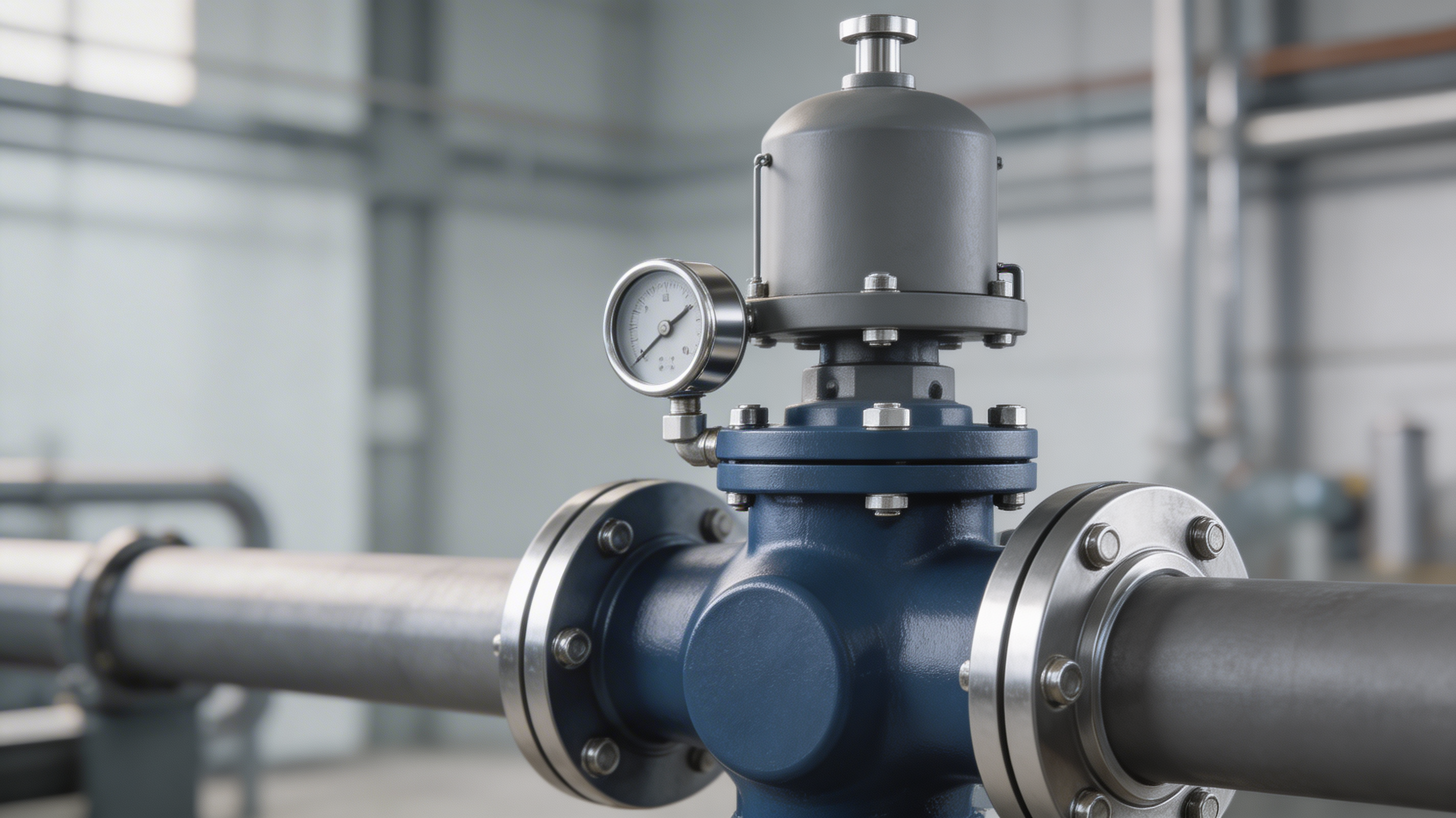
Pressure control valves serve as critical components in fluid power systems across industrial applications worldwide. These precision-engineered devices regulate, limit, or relieve pressure within hydraulic and pneumatic circuits, ensuring operational safety and system efficiency. Understanding PCV valve function helps engineers and maintenance professionals improve equipment performance while preventing costly failures.
COVNA GROUP CO., LTD is a world-leading valve manufacturer specialized in solenoid valves, pneumatic valves, and electric valves for pipeline fluid control. Originating from German technology, COVNA has developed its own R&D, design, production, and sales capabilities over 17+ years of experience since 2008. Our products hold ISO 9001, CE, and RoHS certifications, serving industries including Petroleum, Chemical, Automotive, and Industrial automation with 5000+ applications in our database.
What Is a Pressure Control Valve
A Pressure Control Valve (PCV) is a mechanical device designed to manage pressure levels within enclosed systems. Unlike simple on/off valves, pressure control valves continuously monitor system conditions and automatically adjust flow paths to maintain predetermined pressure parameters. COVNA Valve manufactures these components for applications ranging from manufacturing equipment to oil and gas infrastructure.
The fundamental purpose involves protecting downstream components from excessive pressure while maintaining consistent operational parameters. When system pressure exceeds preset thresholds, the valve activates to redirect flow, relieve excess pressure, or restrict incoming media until conditions normalize.
Types of Pressure Control Valves
Industrial applications require different pressure control strategies depending on system requirements and operating conditions. The primary categories include:
Pressure Relief Valves
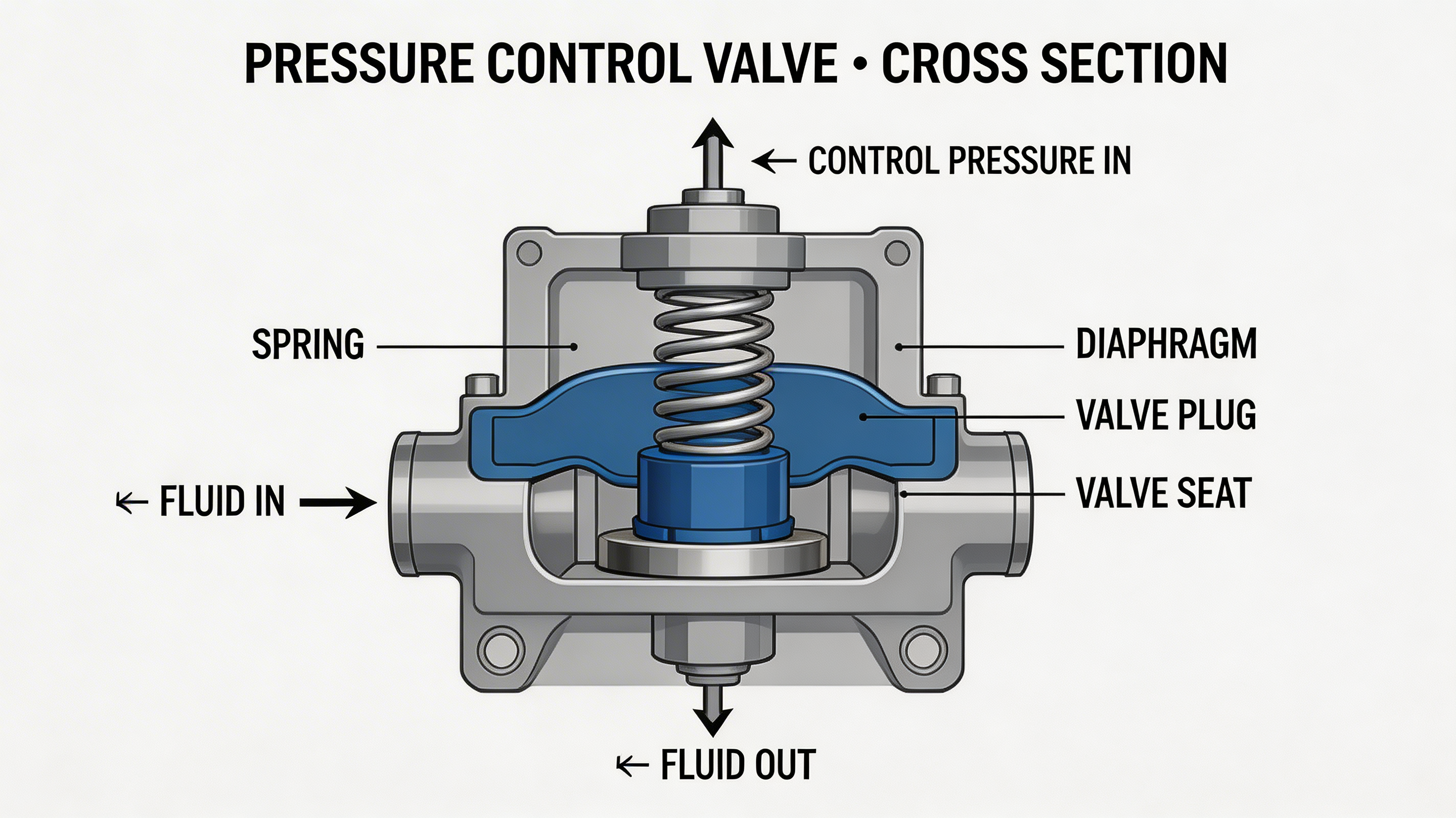
Pressure relief valves function as safety devices that open automatically when system pressure exceeds predetermined limits. These valves protect pumps, actuators, and piping from damage caused by pressure spikes. Once activated, they divert excess fluid to a secondary path or reservoir until normal pressure resumes.
COVNA relief valve designs incorporate spring-loaded mechanisms calibrated to specific pressure ratings. Common applications include hydraulic power units, pressurized storage vessels, and high-pressure processing equipment where uncontrolled pressure buildup poses safety risks.
Pressure Reducing Valves
Pressure reducing valves decrease incoming high pressure to lower, consistent downstream levels. These components prove essential when supplying multiple circuits from a single high-pressure source, ensuring sensitive equipment receives appropriate pressure regardless of upstream fluctuations.
The operational principle involves a sensing mechanism that compares downstream pressure against spring tension. When downstream pressure drops below setpoints, the valve opens to admit more flow. Conversely, rising downstream pressure causes partial closure to restrict incoming media.
Sequence Valves
Sequence valves control the order of operations in multi-actuator systems by ensuring specific pressure thresholds before permitting flow to subsequent circuit branches. These valves enable synchronized movements in manufacturing automation, material handling equipment, and complex machinery requiring coordinated actions.
Typical installations include injection molding machines, automated assembly lines, and hydraulic presses where cylinder extension sequences must follow precise patterns for proper operation.
Counterbalance Valves
Counterbalance valves maintain load control in vertical applications by preventing uncontrolled descent of suspended weights. These specialized pressure control devices create resistance against gravitational forces while permitting controlled lowering speeds under operator or automated direction.
Applications encompass crane systems, elevator mechanisms, hydraulic lifts, and any equipment handling heavy loads in vertical orientations where sudden drops would create safety hazards or equipment damage.
COVNA PCV Valve Product Specifications
| Model Series | Body Material | Pressure Rating | Temperature Range | Port Size | Application |
|---|---|---|---|---|---|
| PCV-1000 | Brass | 0-300 PSI | -20C to +80C | 1/8 to 1/2 inch | Pneumatic Systems |
| PCV-2000 | Carbon Steel | 0-3000 PSI | -40C to +120C | 1/4 to 2 inch | Hydraulic Systems |
| PCV-3000 | Stainless Steel 316 | 0-6000 PSI | -60C to +200C | 1/2 to 4 inch | Chemical/Petroleum |
| PCV-4000 | Alloy Steel | 0-10000 PSI | -40C to +350C | 1 to 6 inch | High-Pressure Steam |
| PCV-5000 | Special Alloys | Vacuum to 5000 PSI | -196C to +540C | Custom | Cryogenic/Extreme |
How Pressure Control Valves Work
Understanding internal mechanisms helps maintenance personnel troubleshoot issues and specify appropriate components for new designs. While specific implementations vary by type and manufacturer, fundamental operating principles remain consistent across pressure control valve categories.

Spring-Loaded Mechanisms
Most pressure control valves use spring-loaded poppet or spool designs where fluid pressure acts against mechanical spring tension. The spring establishes a force threshold that must be overcome before valve movement occurs. Engineers calculate spring rates and preload settings to achieve precise activation pressures.
When system pressure generates sufficient force against the valve element, mechanical movement occurs. This movement might open a relief path, adjust flow restrictions, or redirect fluid depending on valve type and design purpose.
Pilot-Operated Designs
Larger flow applications often employ pilot-operated configurations where main valve elements respond to pressure signals from smaller control circuits. This arrangement allows compact control components to manage substantial flow rates with minimal pressure losses.
Pilot operation enables precise pressure control across wide flow ranges while maintaining compact valve dimensions. These designs prove particularly valuable in high-flow hydraulic systems where direct-acting valves would require impractical sizes.
Direct-Acting Configurations
Direct-acting valves eliminate pilot circuits, with system pressure acting directly on main valve elements. Simpler construction reduces potential failure points and improves response times for applications requiring immediate pressure regulation.
These designs suit lower flow applications or situations where rapid response outweighs efficiency considerations. Direct-acting valves also demonstrate superior performance with contaminated fluids where pilot passages might clog.
PCV Valve vs Other Valve Types Comparison
| Feature | Pressure Control Valve | Ball Valve | Butterfly Valve | Solenoid Valve |
|---|---|---|---|---|
| Primary Function | Pressure regulation | On/Off flow control | Flow modulation | Automated on/off |
| Control Type | Automatic/self-acting | Manual/Actuated | Manual/Actuated | Electromagnetic |
| Pressure Range | 0-10000+ PSI | Up to 15000 PSI | Up to 1500 PSI | 0-3000 PSI |
| Response Speed | Instantaneous | Fast (1/4 turn) | Moderate | Fast (10-50ms) |
| Best Application | Safety/Regulation | Isolation | Large flow control | Automation |
| COVNA Product Line | PCV Series | Floating/Trunnion | Wafer/Lug Type | 2/2, 3/2, 5/2 Way |
Pressure Control Valve Applications by Industry
Pressure control valves find application across virtually every industrial sector using fluid power or pressurized process media. Specific implementations vary based on industry requirements, regulatory standards, and operational environments.
| Industry Sector | Primary Application | PCV Type Used | COVNA Solution |
|---|---|---|---|
| Automotive | Engine crankcase ventilation, brake systems | Relief/Reducing | PCV-1000 Series |
| Marine | Hydraulic steering, ballast systems | Counterbalance | PCV-3000 SS Series |
| Petroleum | Wellhead control, pipeline protection | High-pressure Relief | PCV-4000 Series |
| Chemical | Reactor pressure control, safety systems | Pilot-operated | PCV-3000/5000 |
| Power Generation | Steam bypass, feedwater control | High-temp Relief | PCV-4000 HT |
| Water Treatment | Pump protection, distribution pressure | Reducing/Relief | PCV-2000 Series |
| Manufacturing | Machine tool hydraulics, pneumatics | Sequence/Reducing | PCV-1000/2000 |
Oil and Gas Production
Upstream oil and gas operations rely extensively on pressure control technology for wellhead management, pipeline transport, and processing facility safety. PCV valves protect equipment from formation pressure variations while maintaining flow consistency through gathering systems and processing trains.
Subsurface safety valves represent critical pressure control applications, automatically sealing wellbores if surface equipment fails or pressure conditions exceed safe parameters. These components must function reliably across decades of service in corrosive environments.
Manufacturing and Automation
Factory automation systems integrate pressure control valves within pneumatic and hydraulic power circuits driving machinery, robotics, and material handling equipment. Consistent pressure maintenance ensures repeatable positioning accuracy and force control essential for quality manufacturing.
Injection molding machines, metal forming presses, and automated assembly systems all depend on precise pressure regulation for consistent product quality and equipment longevity.
Selecting the Right Pressure Control Valve
Proper valve selection requires systematic evaluation of application requirements, system parameters, and environmental conditions. Engineers should consider multiple factors when specifying pressure control valves for new installations or replacement projects.
Advantages
- Automatic pressure regulation without external power
- Protects downstream equipment from overpressure
- Maintains consistent system performance
- Wide range of pressure ratings available
- Reliable operation with minimal maintenance
- Fast response to pressure changes
- Cost-effective safety solution
Considerations
- Requires proper sizing for application
- May need periodic calibration
- Subject to wear in high-cycle applications
- Temperature limits affect seal selection
- Contamination can affect performance
- Installation orientation matters
- Regular inspection recommended
Pressure Rating Requirements
Valve pressure ratings must exceed maximum anticipated system pressures with appropriate safety margins. Industry standards typically recommend valves rated for at least 1.5 times normal operating pressure to accommodate transient spikes and future operational changes.
COVNA Valve provides pressure control valves across ratings from low-pressure pneumatic applications through high-pressure hydraulic systems exceeding 10,000 PSI. Consulting manufacturer specifications ensures proper rating selection for specific applications.
Flow Capacity Considerations
Valve flow capacity, expressed as Cv coefficient or Kv value, indicates volumetric flow capability at specified pressure differentials. Undersized valves create excessive pressure drops and flow restrictions, while oversized valves may exhibit poor control characteristics at low flow conditions.
System designers should calculate maximum flow requirements and specify valves with adequate capacity while maintaining reasonable sizing for installation space and cost considerations.
Media Compatibility
Fluid compatibility affects material selection for valve bodies, seals, and internal components. Hydraulic oils, pneumatic air, water, steam, and process chemicals each present unique compatibility requirements that influence valve specification.
Corrosive media may require stainless steel construction or specialized coatings. High-temperature applications demand seal materials maintaining properties across operational temperature ranges.
Installation and Maintenance Best Practices
Proper installation and ongoing maintenance ensure pressure control valves deliver designed performance across extended service lifetimes. Following established best practices prevents premature failures and maintains system safety.
Installation Guidelines
Mounting orientation affects valve performance, particularly for relief valves where gravity influences internal element movement. Manufacturer documentation specifies appropriate orientations for specific valve designs.
Inlet and outlet piping should support valve ratings without introducing excessive stress from thermal expansion, vibration, or weight loads. Proper support prevents mechanical damage and maintains seal integrity.
Cleanliness during installation prevents contamination damage to precision valve components. Flushing systems before valve installation removes debris that could affect seating surfaces or clog small passages.
Maintenance Procedures
Regular inspection schedules identify wear patterns before they cause operational failures. Visual inspections should check for external leakage, corrosion, and physical damage that might indicate internal problems.
Functional testing verifies valve operation across expected pressure ranges. Relief valves require periodic lifting to confirm free movement and proper reseating. Pressure reducing valves need calibration verification against reference standards.
Seal replacement intervals depend on service conditions, media characteristics, and operational cycles. Preventive seal replacement before failure avoids unplanned shutdowns and potential safety incidents.
Troubleshooting Common Issues
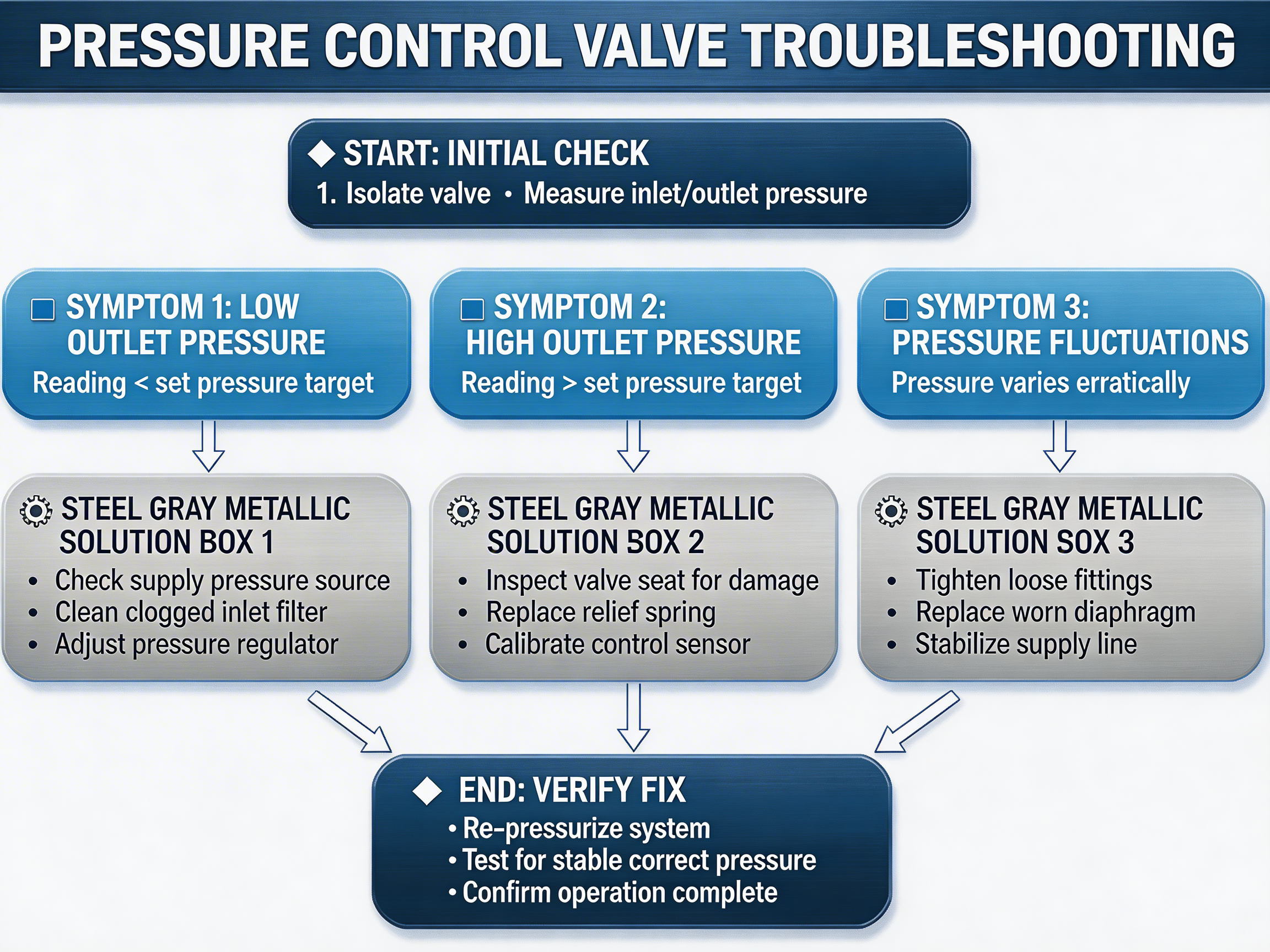
Pressure control valve problems typically manifest as leakage, improper pressure regulation, or failure to operate. Systematic troubleshooting identifies root causes and appropriate corrective actions.
External leakage usually indicates seal degradation or mechanical damage requiring component replacement. Internal leakage past seating surfaces may respond to cleaning or lapping procedures if damage remains minimal.
Erratic pressure control often stems from contamination, improper sizing, or system dynamics exceeding valve capabilities. Analyzing pressure traces and operational patterns helps identify whether valve replacement or system modifications provide optimal solutions.
COVNA Pressure Control Valve Solutions
COVNA GROUP CO., LTD manufactures comprehensive pressure control valve portfolios serving global industrial markets. With 17+ years of experience since 2008 and originating from German technology, our product lines encompass standard industrial designs through specialized configurations meeting unique application requirements.
Product Range Overview
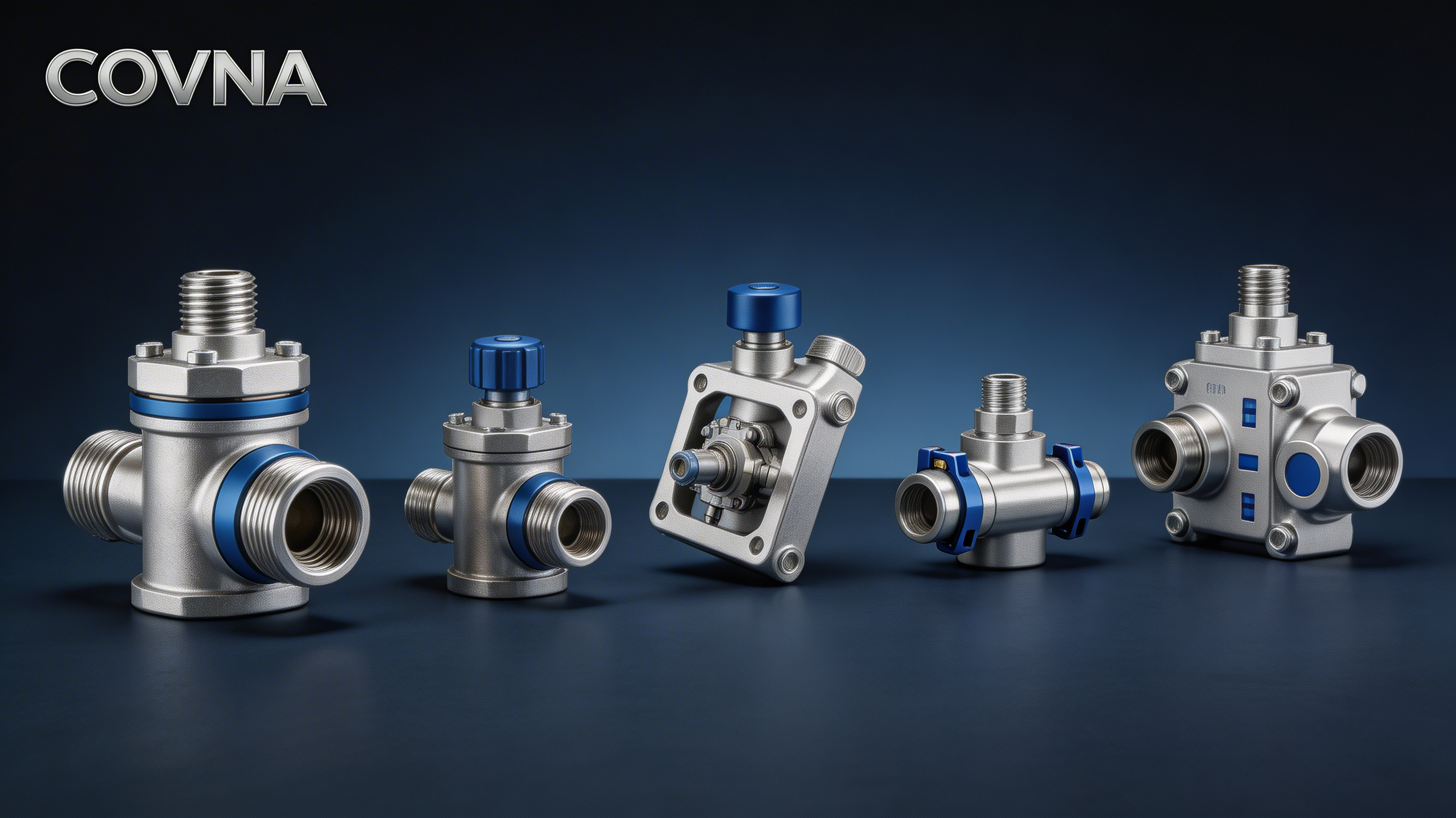
COVNA pressure control offerings include direct-acting and pilot-operated relief valves, pressure reducing valves, sequence valves, and counterbalance configurations. Our production range includes solenoid valves, pneumatic valves, electric valves, gate valves, globe valves, butterfly valves, control valves, safety valves, and various special valves.
Standard products cover pressure ranges from vacuum through 10,000 PSI with port sizes from 1/8 inch through 6 inches. Material options include brass, carbon steel, stainless steel, and specialized alloys for corrosive or high-temperature applications.
Quality and Certification
Manufacturing processes follow ISO 9001 Quality Management System Certification with comprehensive testing protocols verifying performance and reliability. COVNA has achieved CE Certification and RoHS Certification, ensuring compliance with international standards.
Our 5000+ applications database demonstrates extensive experience across Water & Waste water treatment, Automation, Petroleum, Chemical, Electric power, Metallurgy, Mining, Paper-making, and Pharmaceutical Industries.
Technical Support Services
COVNA application engineers assist customers with valve selection, system integration, and troubleshooting. We provide rapid response to customer requirements, professional product selection guidance, and reliable valve application solutions.
Custom engineering services develop specialized valve configurations for unique applications requiring modifications to standard product lines. Prototype development and qualification testing validate custom designs before production implementation.
Frequently Asked Questions About Pressure Control Valves
What is the difference between a pressure control valve and a flow control valve?
Pressure control valves maintain system pressure within specified limits, automatically opening or closing to relieve excess pressure or maintain setpoints. Flow control valves regulate the volume of fluid passing through a system regardless of pressure changes. While both manage fluid systems, pressure control valves focus on safety and pressure stability, whereas flow control valves optimize process rates and volumes.
How often should pressure control valves be inspected or replaced?
Inspection frequency depends on application criticality and operating conditions. Critical safety applications require monthly visual inspections and annual functional testing. General industrial applications typically need quarterly inspections. Replacement intervals vary from 3-10 years based on cycle frequency, media characteristics, and operating environment. COVNA recommends establishing preventive maintenance schedules based on manufacturer guidelines and historical performance data.
Can pressure control valves be used with both liquids and gases?
Yes, pressure control valves function with both liquid and gaseous media, though specific designs optimize performance for each state. Liquid applications require considerations for cavitation and flashing, while gas applications address compressibility and sonic flow conditions. COVNA provides specialized designs for each media type, with material and seal selections matched to specific fluid characteristics and operating temperatures.
What causes a pressure control valve to chatter or oscillate?
Chattering typically results from improper sizing, excessive inlet pressure, or system instability. Undersized valves cannot handle flow demands, causing rapid cycling. High inlet pressure creates turbulent flow patterns. System pulsations from pumps or compressors may exceed valve response capabilities. Solutions include resizing valves, adding dampening devices, or selecting pilot-operated designs with greater stability. COVNA application engineers can diagnose specific issues and recommend appropriate solutions.
How do I select the correct pressure setting for my application?
Pressure settings should account for normal operating pressure, maximum allowable working pressure (MAWP) of protected equipment, and required safety margins. Typically, relief valves are set 10% above maximum operating pressure but below equipment MAWP. Reducing valves are set based on downstream equipment requirements. COVNA provides sizing software and engineering consultation to ensure proper pressure settings for specific applications, considering all relevant codes and standards.
Conclusion
Pressure control valves represent essential components in industrial fluid systems, protecting equipment and personnel while maintaining operational efficiency. Understanding PCV valve function, types, and selection criteria enables engineers to specify appropriate components matching application requirements.
COVNA GROUP CO., LTD comprehensive pressure control portfolio, combined with German technology heritage, 17+ years of manufacturing experience, and ISO 9001/CE/RoHS certifications, provides reliable solutions for demanding industrial applications worldwide. Our 5000+ applications database spans solenoid valves, pneumatic valves, electric valves, and control valves serving Petroleum, Chemical, Automotive, and Industrial sectors.
For specific application assistance or product information, contact COVNA Valve technical support to discuss your pressure control requirements with experienced application engineers.