

























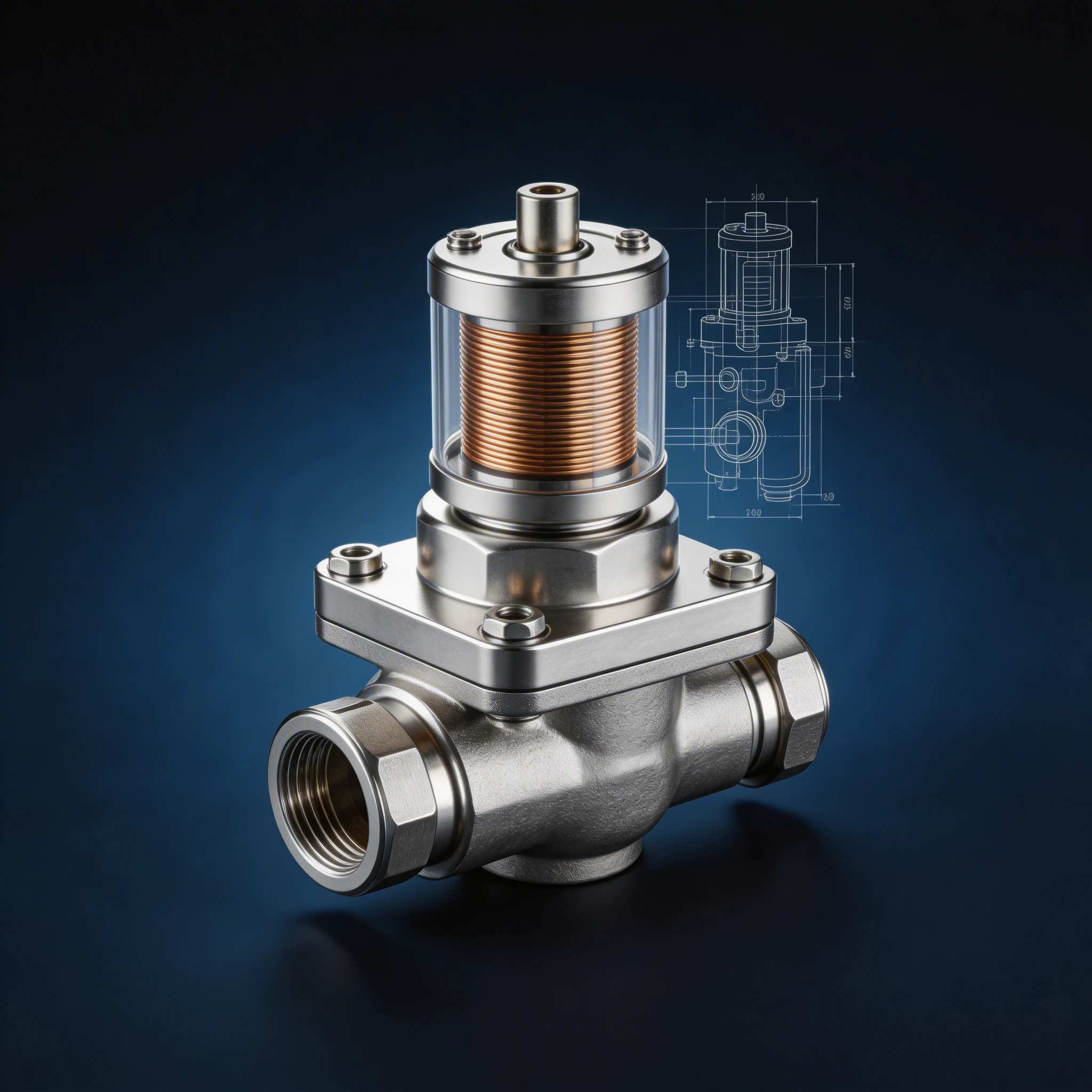
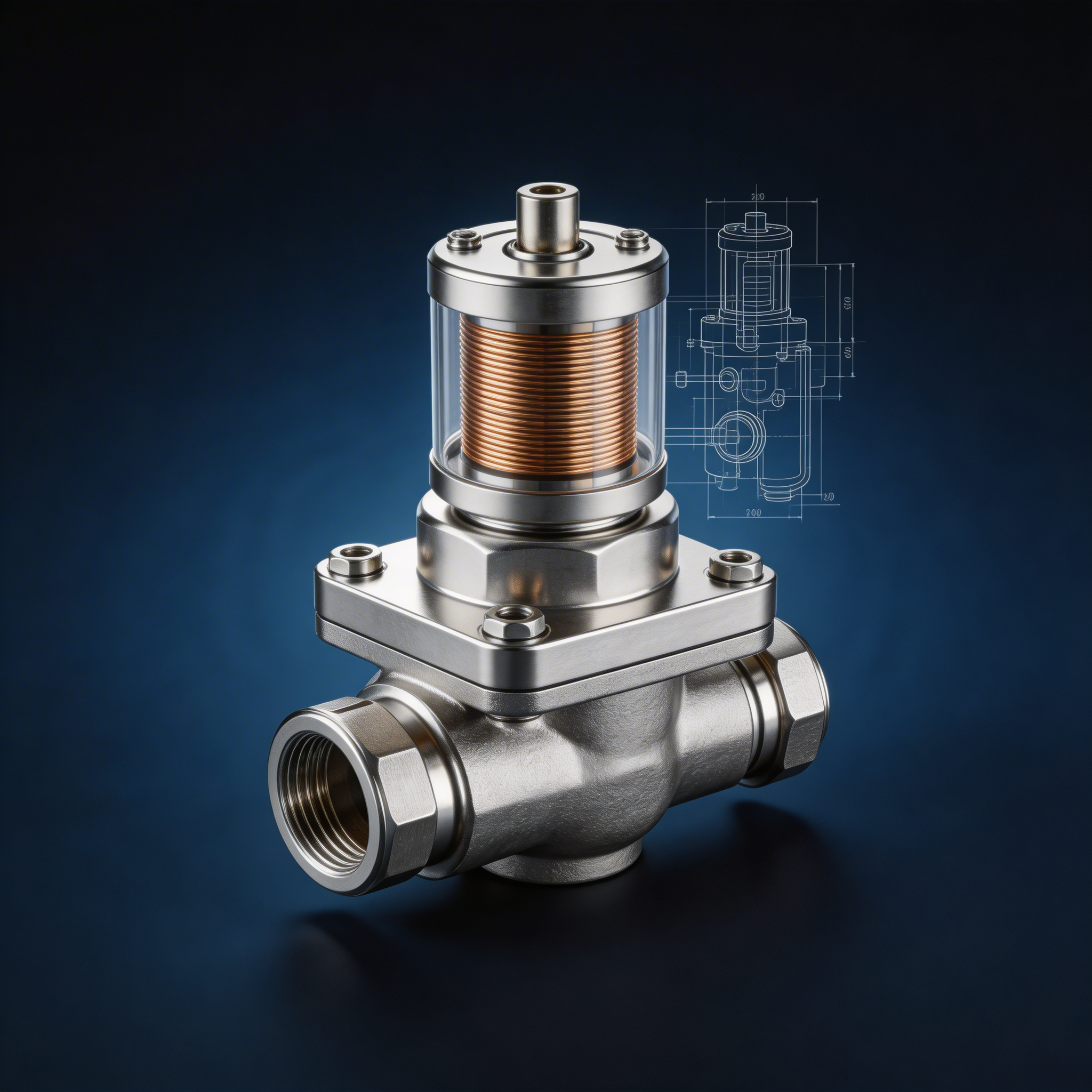
Solenoid valves serve as critical control components across industrial automation, fluid handling, and process control systems. These electromechanical devices convert electrical energy into mechanical motion to regulate fluid flow with precision and reliability. COVNA Valve brings over fifteen years of engineering expertise to solenoid valve design and manufacturing, delivering solutions that meet the demanding requirements of modern industrial applications.
Engineering Insight: A properly specified solenoid valve can operate reliably for over 10 million cycles in standard industrial conditions, with response times as fast as 15 milliseconds.
Solenoid Valve Working Principles
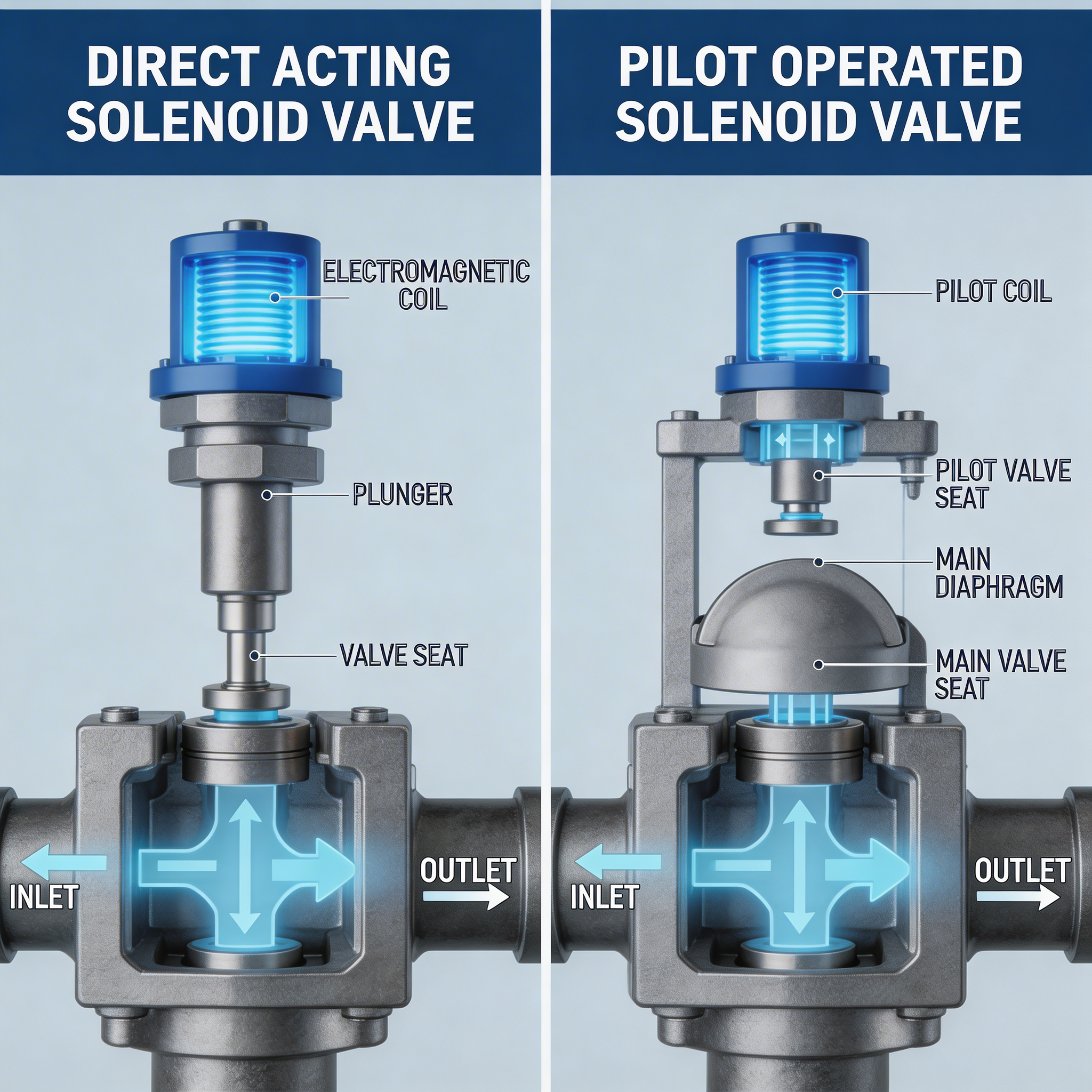
Understanding the fundamental operating mechanisms of solenoid valves enables engineers to make informed selection decisions. Three primary working principles dominate the market: direct-acting, pilot-operated, and semi-direct acting configurations.
Direct-Acting Solenoid Valves
Direct-acting solenoid valves represent the simplest and most reliable design architecture. The electromagnetic coil generates sufficient force to lift the sealing element directly against system pressure. This design eliminates the need for minimum operating pressure differentials, enabling zero-pressure differential operation.
The working sequence proceeds as follows: electrical current energizes the coil, creating a magnetic field that pulls the armature upward. This motion lifts the seal off the valve seat, establishing flow path. Upon de-energization, a return spring closes the valve. Direct-acting solenoid valves excel in low-pressure applications, vacuum systems, and situations where pressure differentials vary significantly.
Pilot-Operated Solenoid Valves
Pilot-operated solenoid valves utilize system pressure as the primary actuation force. The solenoid coil controls a small pilot orifice rather than the main flow path directly. When energized, the pilot opens, creating a pressure imbalance across the main diaphragm or piston. This differential pressure drives the main valve operation.
This architecture delivers significant advantages for high-flow applications. The reduced solenoid size requirements translate to lower power consumption and heat generation. Pilot-operated solenoid valves handle larger pipe sizes and higher flow rates economically. The trade-off involves minimum pressure differential requirements—typically 0.3 to 0.5 bar—to ensure proper operation.
Semi-Direct Acting (Assisted Lift) Solenoid Valves
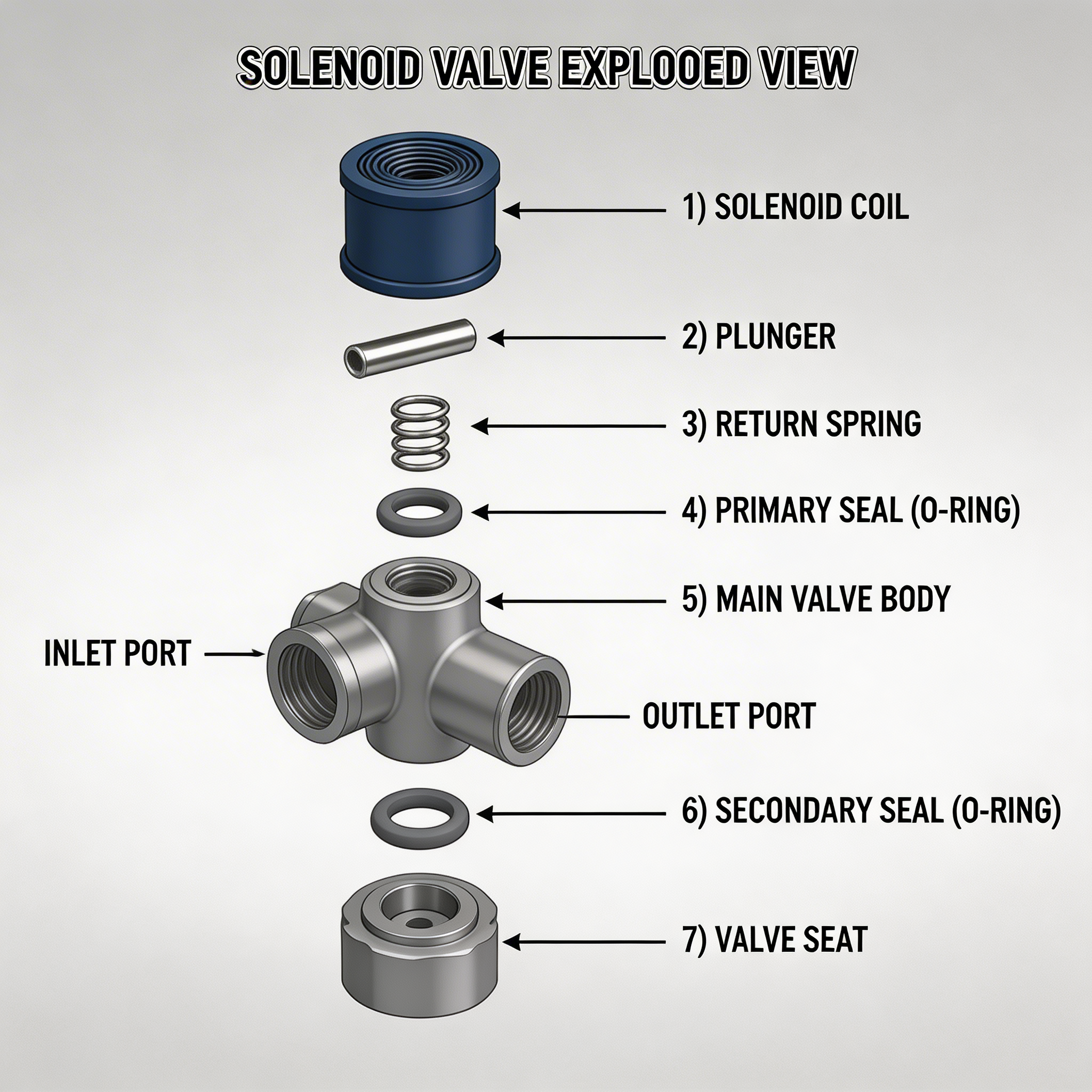
Semi-direct acting solenoid valves combine elements of both direct and pilot-operated designs. The armature connects directly to the main seal while simultaneously controlling a pilot orifice. This hybrid approach delivers zero-pressure differential capability while maintaining the flow capacity advantages of larger valve sizes.
COVNA's semi-direct acting solenoid valve series addresses applications requiring both low-pressure startup and substantial flow capacity. These valves serve effectively in systems with variable pressure conditions or where startup occurs against atmospheric pressure.
Technical Parameters by Operating Principle
| Parameter | Direct-Acting | Pilot-Operated | Semi-Direct Acting |
|---|---|---|---|
| Minimum Pressure | 0 bar (vacuum capable) | 0.3-0.5 bar | 0 bar |
| Maximum Pressure | 20-40 bar | 50-100 bar | 40-60 bar |
| Typical Size Range | 1/8" - 3/8" | 3/8" - 3" | 1/4" - 2" |
| Power Consumption | 10-50W | 5-20W | 8-30W |
| Response Time | 15-50ms | 50-200ms | 30-100ms |
Solenoid Valve Types and Configurations
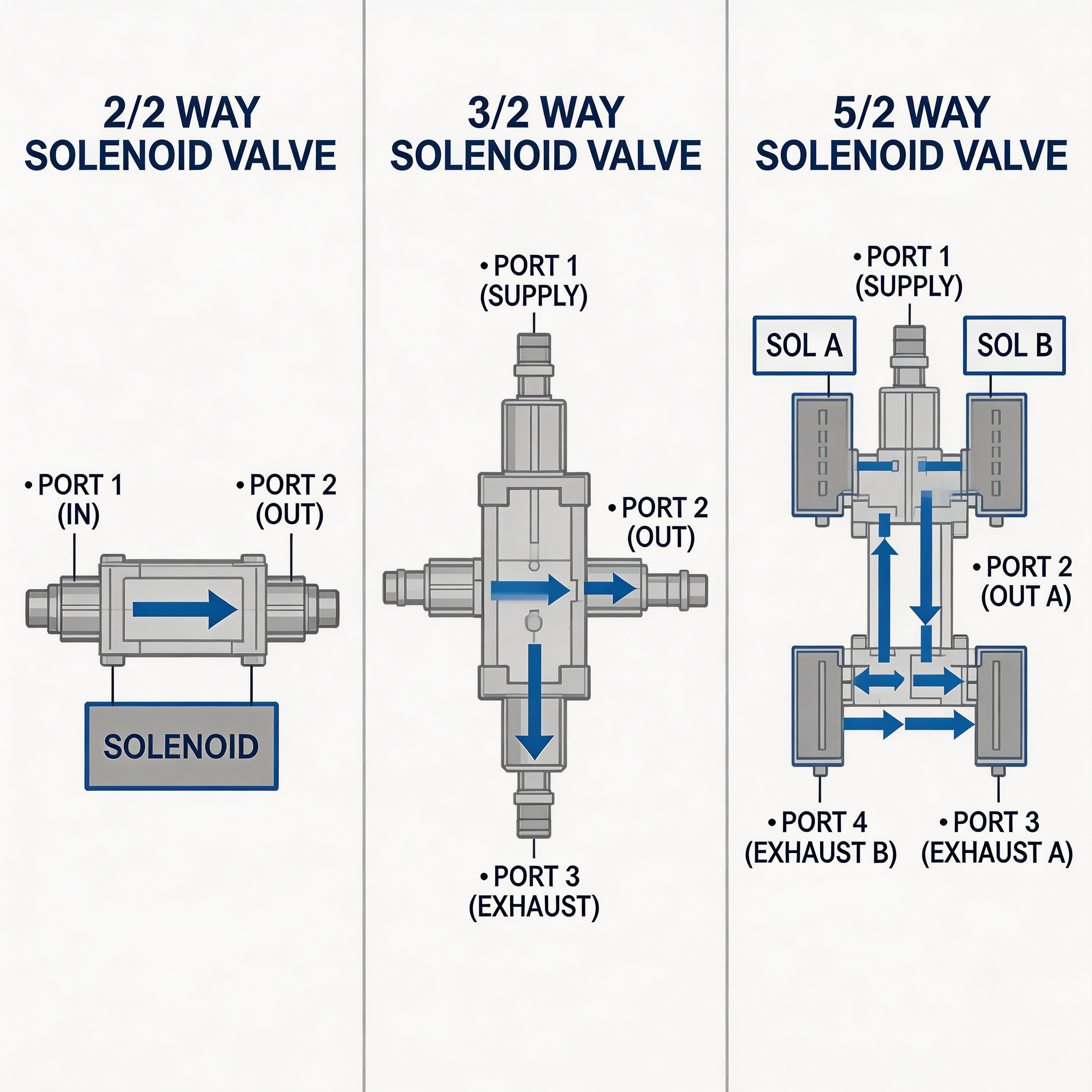
Solenoid valve selection requires careful consideration of port configurations and operating characteristics. The most common configurations include 2/2 way (two ports, two positions), 3/2 way (three ports, two positions), and 5/2 way (five ports, two positions) designs.
Industry Applications
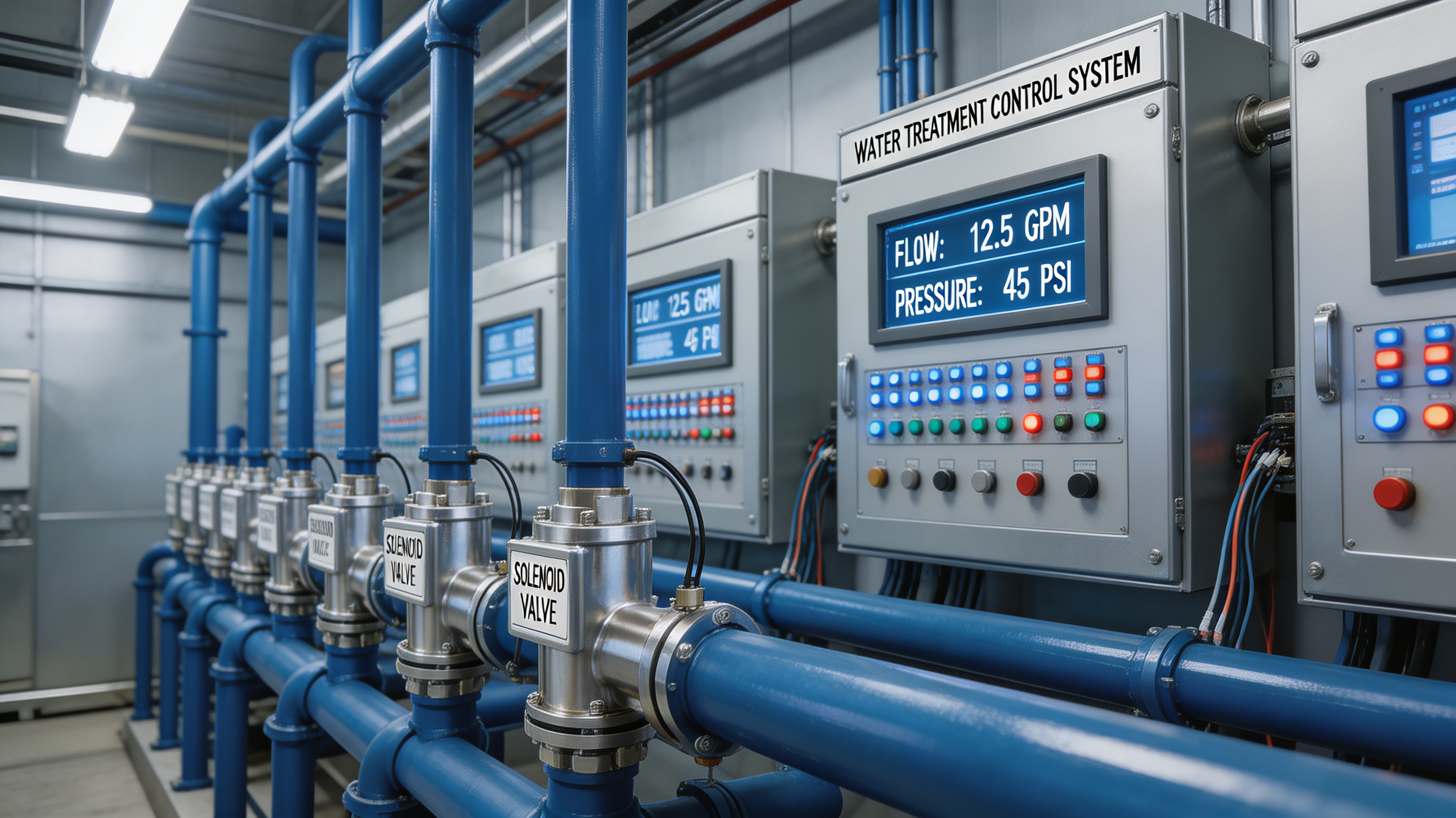
Solenoid valves find extensive application across diverse industrial sectors. In water treatment facilities, they control filtration backwash cycles and chemical dosing systems. HVAC systems utilize solenoid valves for refrigerant flow control and zone damper actuation. The petrochemical industry relies on explosion-proof solenoid valves for process control in hazardous environments.
Conclusion
Solenoid valve selection demands thorough analysis of application requirements including pressure conditions, flow rates, media compatibility, and electrical specifications. COVNA Valve's comprehensive product range addresses the full spectrum of industrial automation needs, from precision laboratory equipment to heavy-duty process control systems.
Our engineering team provides application support to ensure optimal valve specification for your specific requirements. Contact COVNA Valve today to discuss your solenoid valve needs and discover how our expertise can enhance your system reliability and performance.