


























What Does a PCV Valve Do? Your Engine's Secret Breathing Coach
Meet your engine's unsung hero, the PCV valve. This tiny component works harder than a caffeinated intern on deadline day, quietly managing crankcase pressure while you focus on the road ahead. At COVNA Valve, we've spent over a decade engineering precision flow control solutions for industrial applications, and we know firsthand how critical proper ventilation systems are to equipment longevity. Think of the PCV valve as your engine's respiratory therapist: it inhales blow-by gases, exhales them back into the combustion cycle, and keeps everything running smoothly without making a fuss. Without it? Your engine would be gasping for air like a fish out of water, sludge would party in your oil pan, and your seals would crack under pressure, literally.
What Is a PCV Valve? The Nuts and Bolts
PCV stands for Positive Crankcase Ventilation. Invented back in the 1960s when environmental regulations started getting serious about emissions, this valve solved a problem that had plagued internal combustion engines since their inception: what to do with all those nasty gases that sneak past the piston rings during combustion.
Here's the science without the snooze factor. During normal engine operation, combustion gases, containing unburned fuel, water vapor, and various acidic compounds, leak past the piston rings into the crankcase. This phenomenon, charmingly called "blow-by," creates pressure buildup. Before PCV systems existed, engines simply vented these gases to the atmosphere through a road draft tube. Environmentally friendly? Not even close. Efficient? Nope. The PCV valve changed everything by creating a closed-loop system that routes these gases back into the intake manifold for a second chance at combustion.
The valve itself is elegantly simple: a spring-loaded plunger inside a housing with calibrated orifices. Vacuum from the intake manifold pulls the plunger open, allowing blow-by gases to flow. When the engine is off or during certain operating conditions, the spring closes the valve to prevent backflow. It's mechanical engineering at its finest, no electronics, no sensors, just pure physics doing its job millions of times over your engine's lifetime.
The Critical Functions: Why Your Engine Can't Live Without It
Your PCV valve isn't just along for the ride, it's pulling triple duty every time you turn the key. Understanding these functions helps explain why a $15 part can cause thousands in damage when it fails.
1. Pressure Regulation: Keeping the Crankcase Happy
Internal pressure is like office politics, too much and things start breaking. The PCV valve maintains negative pressure (vacuum) in the crankcase, typically between 1-3 inches of water column at idle. This negative pressure prevents oil leaks by keeping seals seated properly and stops oil from being forced past gaskets. Without this vacuum, pressure builds, seals get pushed outward, and you end up with oil spots on your driveway that would make a Rorschach test jealous.
2. Emissions Control: Saving the Planet One Breath at a Time
Those blow-by gases aren't just smelly, they're packed with hydrocarbons that contribute to smog and air pollution. By routing them back into the intake for reburning, the PCV system eliminates approximately 20% of total vehicle hydrocarbon emissions. That's not just good for polar bears; it's why your car can pass inspection without triggering the dreaded "check engine" light.
3. Sludge Prevention: Keeping Your Oil Clean
Remember that water vapor and acid we mentioned? Left to stew in your crankcase, these contaminants turn your fresh motor oil into a sludgy mess that looks like something from a horror movie. The PCV valve continuously purges these contaminants, extending oil life and preventing the kind of internal engine buildup that mechanics have nightmares about. Clean oil means happy bearings, camshafts that actually rotate, and an engine that reaches retirement age instead of an early grave.
4. Fuel Economy: Every Drop Counts
Those unburned hydrocarbons in blow-by gases? That's fuel you paid for. By routing them back into the combustion chamber, the PCV system recaptures energy that would otherwise be wasted. While the savings per mile might seem small, multiply it across millions of vehicles and billions of miles, and you're looking at significant fuel conservation, and lower emissions as a bonus.
5. Moisture Management: Rust's Worst Enemy
Water is the enemy of metal, and combustion creates plenty of it. Without proper ventilation, moisture accumulates in the crankcase, leading to corrosion on bearing surfaces, rust formation, and accelerated wear. The PCV valve's continuous airflow whisks away moisture before it can cause damage, keeping internal components dry and corrosion-free.
PCV Valve Failure Symptoms: When Your Engine Starts Coughing
Like any hardworking component, PCV valves eventually wear out. The good news? They usually give you warning signs before catastrophic failure. The bad news? Those signs are easy to miss if you don't know what to look for. Here's your diagnostic cheat sheet:
| Symptom | Root Cause | Severity | What to Check |
|---|---|---|---|
| Rough idle or stalling | Vacuum leak from stuck-open valve | Medium | Remove and shake valve, should rattle |
| Oil leaks from seals/gaskets | Excessive crankcase pressure | High | Check valve operation; inspect seals |
| Milky oil on dipstick | Moisture accumulation from poor ventilation | High | Change oil immediately; replace valve |
| Check engine light (P0171 lean code) | Unmetered air entering intake | Medium | Smoke test for vacuum leaks |
| Oil in air intake/throttle body | Valve stuck open; excessive blow-by | Medium | Clean intake; replace PCV valve |
| Excessive oil consumption | Oil being drawn into intake and burned | Medium | Check for oil in intake tract |
| Engine misfire under load | Contaminated intake charge | Medium | Inspect spark plugs for oil fouling |
| Failed emissions test | Increased hydrocarbon emissions | Low | Replace valve; retest emissions |
PCV Valve Technical Illustrations
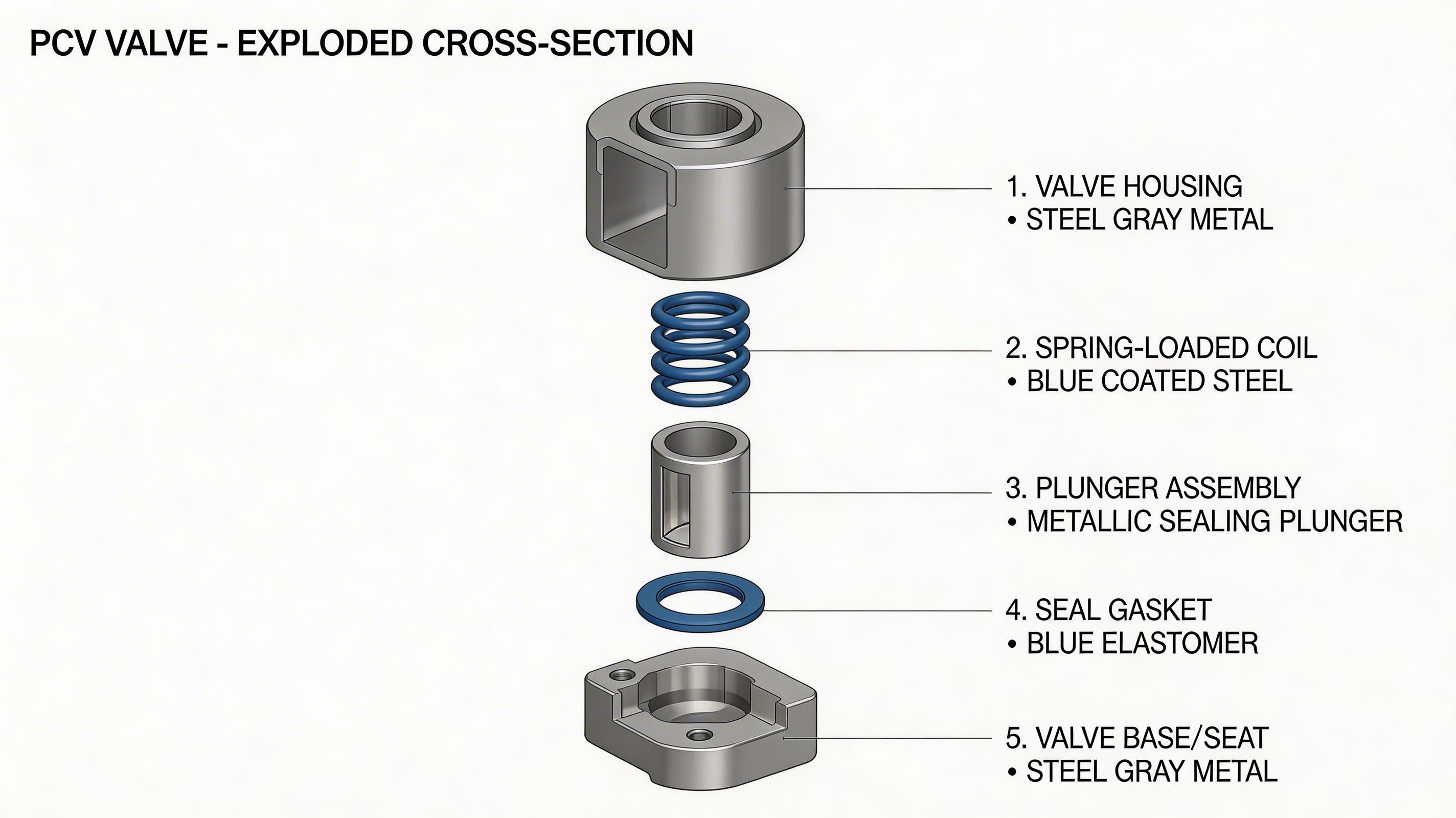
Figure 1: PCV Valve Internal Structure - Spring-loaded plunger mechanism
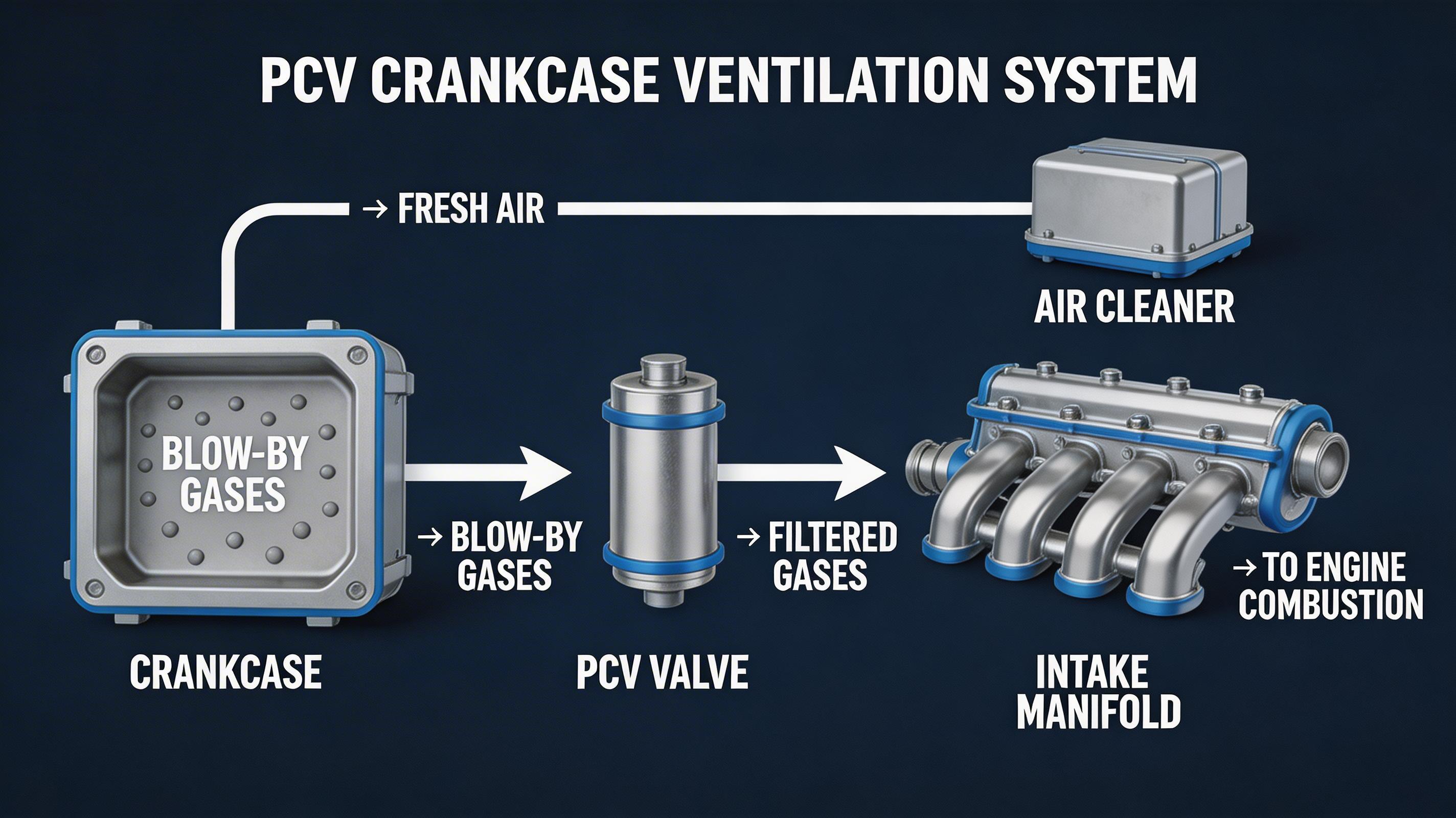
Figure 2: PCV Valve Operation in Crankcase Ventilation System
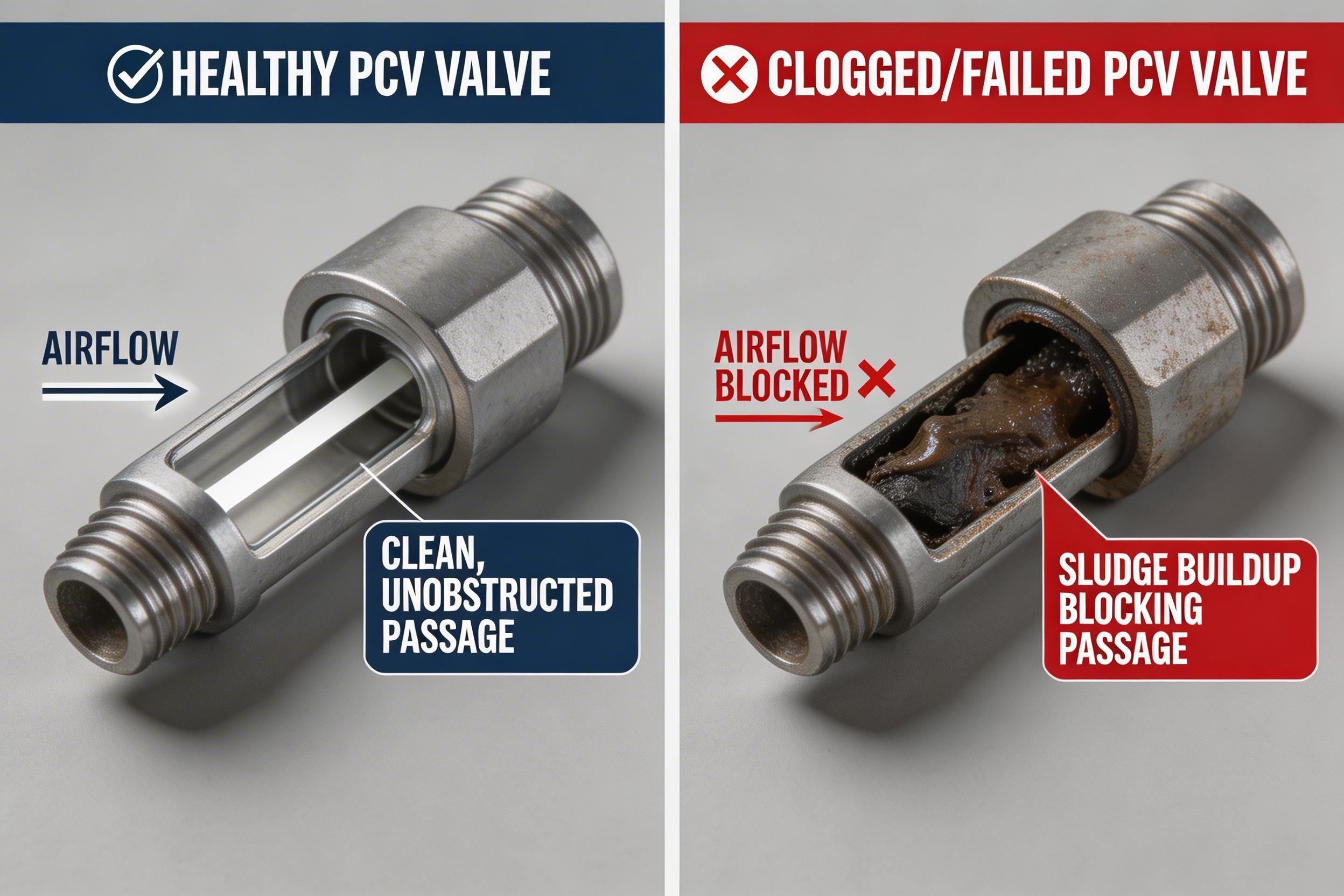
Figure 3: Healthy vs Failed PCV Valve Comparison
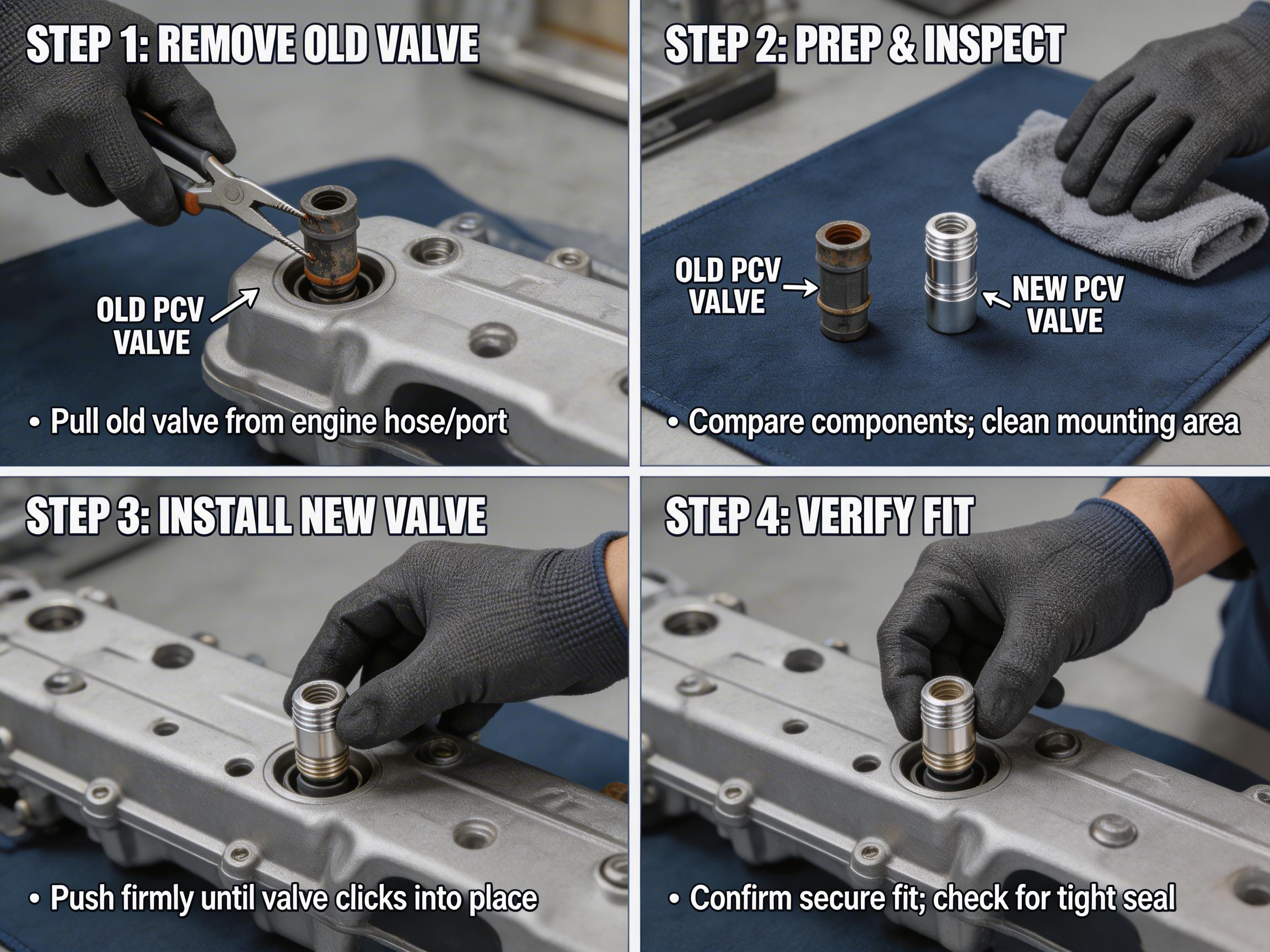
Figure 4: PCV Valve Replacement Step-by-Step Guide
The Story of Mike's Mazda: A Cautionary Tale
Mike bought a used Mazda 3 with 80,000 miles that ran "fine" but had a persistent rough idle. Three mechanics suggested everything from spark plugs to fuel injectors to engine mounts. The real culprit? A PCV valve that had turned into a solid chunk of carbon deposits, stuck wide open and creating a massive vacuum leak. The $12 part had him chasing $800 worth of unnecessary repairs. After swapping the valve (a five-minute job), the idle smoothed out like butter on a hot pancake. Mike now checks his PCV valve every oil change, and tells everyone who'll listen about his expensive lesson in diagnostic basics.
How to Test Your PCV Valve: DIY Diagnostics
You don't need a PhD in mechanical engineering to test a PCV valve. With basic hand tools and ten minutes, you can determine if this little component is doing its job or plotting against your engine.
Method 1: The Shake Test (Quick Check)
Remove the PCV valve from the valve cover or hose. Give it a vigorous shake near your ear. You should hear a distinct rattling sound, that's the plunger moving inside. If it's silent as a library during finals week, the valve is stuck and needs replacement. This test takes thirty seconds and catches about 70% of failures.
Method 2: The Vacuum Test (Definitive)
Start the engine and let it reach normal operating temperature. Remove the PCV valve from the valve cover but leave it connected to the intake hose. Place your thumb over the valve cover opening. You should feel strong suction, this confirms the valve is creating vacuum. Now cover the valve's intake end with your thumb. The engine RPM should drop noticeably (200-400 RPM) because you've blocked the vacuum leak. If there's no suction or no RPM change, your valve is either clogged or stuck.
Method 3: The Visual Inspection
Remove the valve and examine it under good lighting. Look for:
- Cracks in the plastic housing (common on aged valves)
- Carbon buildup blocking the orifices
- Collapsed or oil-soaked rubber diaphragms (on newer designs)
- Broken or missing internal springs
Any of these conditions warrant immediate replacement. Don't try to clean and reuse, PCV valves are cheap insurance against expensive engine damage.
Method 4: The Flow Test (Advanced)
Connect a vacuum gauge to the intake manifold. At idle, you should see steady vacuum between 17-21 inches of mercury. Now disconnect the PCV valve hose and plug the manifold port. The vacuum reading should increase slightly (1-2 inches) because you've eliminated the PCV flow. If the vacuum doesn't change, the valve wasn't flowing to begin with, meaning it's clogged or stuck closed.
PCV Valve Replacement: When and How
Replacement Interval: The Maintenance Schedule Reality Check
Most manufacturers recommend PCV valve inspection every 30,000 miles and replacement every 60,000 miles. Reality check? Many modern "maintenance-free" designs don't even have service intervals, which is automotive marketing speak for "we hope it lasts until the warranty expires."
Here's the truth: PCV valves live in a hostile environment. They're bathed in hot, acidic oil vapors and subjected to constant thermal cycling. Even the best designs accumulate carbon deposits over time. COVNA Valve's engineering team recommends proactive replacement every 50,000 miles for high-mileage vehicles or those operating in severe conditions (frequent short trips, extreme temperatures, dusty environments). The part costs less than a decent lunch, why gamble with your engine's health?
Replacement Steps: From Start to Finish
Tools Needed: Pliers, flathead screwdriver, shop rag, replacement PCV valve, optional: hose clamps
Step 1: Locate the Valve
Most PCV valves live on the valve cover, connected by a rubber hose to the intake manifold. Look for a small plastic or metal valve with a hose attached. Some engines hide them under intake manifolds or behind engine covers, consult your service manual if playing hide-and-seek.
Step 2: Remove the Old Valve
Disconnect the vacuum hose from the valve. Some valves screw into the valve cover (turn counterclockwise); others simply press into a rubber grommet (pull straight out). If it's stuck, gently rock it side-to-side while pulling, don't force it and risk breaking the grommet.
Step 3: Inspect the Hose
Check the connecting hose for cracks, soft spots, or oil saturation. A compromised hose creates vacuum leaks that mimic a bad valve. Replace if questionable, hose is cheap, diagnostic time is expensive.
Step 4: Check the Grommet
The rubber grommet sealing the valve to the valve cover hardens and cracks over time. If it's brittle or leaking, replace it. A new valve in a bad grommet is like putting new tires on a bent rim.
Step 5: Install the New Valve
Apply a thin film of clean engine oil to the new valve's sealing surface. Threaded valves should be snugged by hand then turned an additional quarter-turn, don't overtighten and strip the threads. Press-fit valves should seat firmly with gentle pressure.
Step 6: Reconnect and Verify
Attach the vacuum hose, ensuring a tight fit. Start the engine and check for vacuum leaks (hissing sounds) around the valve. Verify smooth idle operation. Congratulations, you just performed maintenance that many shops would charge an hour's labor for.
Pro Tips from the COVNA Valve Engineering Team
"We've seen too many DIY replacements fail because of overlooked details. Always replace the connecting hose if it's more than five years old, the rubber degrades from the inside out. And never ignore the grommet; a leaking grommet causes the exact same symptoms as a bad valve. Take the extra ten minutes to do the job right."
, COVNA Valve Technical Team
PCV Valve Types: Know What You're Buying
Not all PCV valves are created equal. Understanding the different types helps ensure you get the right replacement for your application.
| Valve Type | How It Works | Common Applications | Serviceability |
|---|---|---|---|
| Standard Orifice | Fixed flow rate based on calibrated hole size | Older vehicles, simple engines | Replaceable |
| Variable Orifice | Spring-loaded plunger adjusts flow based on vacuum | Most modern vehicles | Replaceable |
| Heated PCV | Electric heating element prevents freeze-up in cold climates | Cold climate vehicles | Replaceable |
| Integrated PCV/Oil Separator | Combines valve with oil separation chamber | Turbocharged engines, high-performance | Replaceable |
| Oil Separator Only | Separates oil from blow-by before returning to intake | Performance vehicles, catch can systems | Serviceable/Cleanable |
Frequently Asked Questions About PCV Valves
Can I drive with a bad PCV valve?
You can, but you shouldn't. A stuck-open valve causes rough running and potential engine damage from lean conditions. A stuck-closed valve builds pressure that forces oil past seals and creates sludge. Either way, you're risking expensive repairs to save a $15 part. It's like skipping a $20 oil change and hoping your engine doesn't notice.
Can I clean and reuse my PCV valve?
Technically possible, practically pointless. Carburetor cleaner might dissolve surface carbon, but it won't restore worn springs or fix micro-cracks in the housing. Given the low cost of replacement and the critical nature of the component, cleaning is false economy. Replace it and sleep soundly.
Why does my new PCV valve make noise?
A slight clicking or rattling at idle is normal, that's the valve doing its job, opening and closing with intake pulses. Excessive noise might indicate the wrong valve for your application (flow rate mismatch) or a vacuum leak elsewhere. If the noise bothers you, verify you have the correct part number.
Do all cars have PCV valves?
All gasoline-powered vehicles sold in the US since 1968 have PCV systems. Diesel engines use different crankcase ventilation systems, often with oil separators instead of simple PCV valves. Electric vehicles? No combustion means no blow-by means no PCV valve, one less thing to maintain.
Can a bad PCV valve cause oil consumption?
Absolutely. A stuck-open valve creates a direct path for oil vapor to get sucked into the intake and burned. If you're adding a quart every thousand miles and your tailpipe smokes at startup, check the PCV system before assuming worn piston rings. We've seen engines scheduled for rebuilds that just needed a $12 valve.
What's the difference between a PCV valve and a breather?
The PCV valve is the active component, it's connected to intake vacuum and actively pulls gases from the crankcase. The breather (or breather filter) provides makeup air to replace what the PCV valve pulls out. They work as a team: the PCV valve is the exhaust, the breather is the intake. Both need to be clear for the system to function.
How do I know if my PCV hose is bad?
Inspect for cracks, soft spots, or oil saturation. A good hose is firm but flexible. If it's rock-hard, gooey-soft, or coated in oil slime, replace it. Many PCV "valve" problems are actually hose problems in disguise.
Can I upgrade to a catch can instead of a PCV valve?
Catch cans complement PCV systems rather than replacing them. They install in the hose between the valve cover and intake manifold, catching oil vapor before it enters the intake. You'll still need the PCV valve for pressure regulation. For high-performance or turbocharged engines, a catch can is excellent insurance against intake valve carbon buildup.
Why does my PCV valve freeze in winter?
Water vapor in blow-by gases can freeze in the valve during cold operation, blocking flow. This is why some vehicles have heated PCV valves. If you experience winter freeze-ups, consider upgrading to a heated valve or routing hoses to minimize condensation buildup.
How long does a PCV valve last?
Typical lifespan ranges from 50,000 to 100,000 miles depending on driving conditions, oil change frequency, and engine design. Vehicles with direct injection or turbocharging often experience shorter PCV valve life due to higher crankcase pressures and temperatures. When in doubt, inspect every 30,000 miles.
Conclusion: Don't Ignore the Little Things
The PCV valve might be the smallest component we've discussed today, but its impact on engine health is outsized. This humble valve manages pressure, controls emissions, prevents sludge, and saves fuel, all while asking nothing more than occasional inspection and cheap replacement every few years.
At COVNA Valve, we understand precision flow control because it's what we do every day. While we specialize in industrial valves for process control applications, the same engineering principles apply whether you're managing steam in a power plant or blow-by gases in a Honda Civic. Proper ventilation, pressure management, and flow control are universal requirements for reliable operation.
Don't let a $15 part become a $1,500 problem. Add PCV valve inspection to your maintenance routine, replace it proactively, and your engine will reward you with years of reliable service. Your car, and your wallet, will thank you.
Need Industrial Valve Solutions? Contact COVNA Valve
While PCV valves keep your car breathing easy, COVNA Valve keeps industrial processes flowing smoothly. With over a decade of experience in valve manufacturing and flow control solutions, we serve clients across oil and gas, chemical processing, water treatment, and power generation industries.
Our product range includes:
- Ball valves for reliable shutoff and control
- Butterfly valves for large-diameter flow management
- Globe valves for precise throttling applications
- Gate valves for full-flow isolation
- Solenoid valves for automated process control
- Custom engineered solutions for unique applications
Whether you need standard catalog products or custom-engineered solutions, COVNA Valve's technical team is ready to assist. We combine rigorous quality control with competitive pricing and responsive customer service.
Ready to discuss your valve requirements?
Visit our website at www.china-covna.com or contact our sales team directly. Let's solve your flow control challenges together.
COVNA Valve: Precision Engineering for Critical Flow Control Applications