

























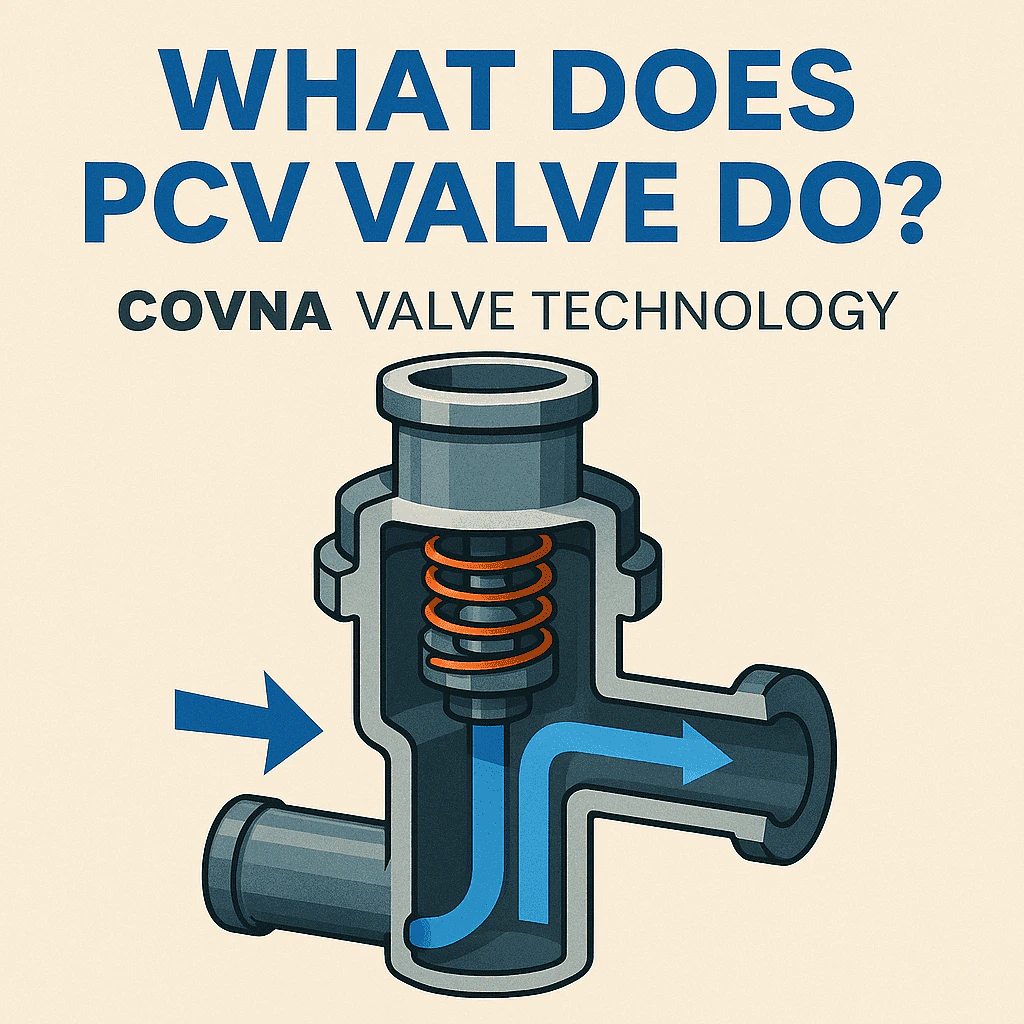
Learn what a PCV valve does, why it matters, and how it protects engine performance with clear tips and key maintenance insights.
What is a PCV Valve and What Does It Do?
Definition of Positive Crankcase Ventilation
The Positive Crankcase Ventilation (PCV) valve functions as a specialized one-way valve, operating on principles similar to the industrial check valves and flow control solutions engineered by valve experts like COVNA. Its primary definition involves the controlled evacuation of blowby gases from the engine’s crankcase. Instead of allowing these gases to build up pressure, the valve utilizes the engine’s vacuum to siphon vapors into the intake manifold. This creates a continuous ventilation system that circulates fresh air while removing volatile fumes, ensuring the internal environment of the machinery remains stable and efficient.
The Role of the PCV Valve in Engine Performance
Just as industrial automation relies on precise actuation to maintain system integrity, an engine relies on the PCV valve for optimal operation. It is essential for airflow regulation and maintaining the correct engine pressure.
- Pressure Management: It prevents the crankcase from becoming over-pressurized, which protects seals and gaskets from blowing out.
- Contaminant Removal: The system helps evacuate moisture and unburned fuel that would otherwise form sludge, extending the life of the oil.
- Combustion Efficiency: By recycling vapors back into the combustion process, it ensures a more complete burn and smoother idling.
Environmental Impact and Emission Control
In alignment with global manufacturing standards like ISO9001 and RoHS, modern engineering prioritizes environmental protection. The PCV valve is a critical component for emission control. Before the implementation of this system, toxic combustion chamber fumes were vented directly into the atmosphere. Today, the valve directs these harmful emissions back through the engine to be re-burned. This process significantly reduces air pollution and ensures that machinery complies with strict environmental regulations, mirroring the sustainability goals seen in advanced flow control industries.
How Does a PCV Valve Work?
At COVNA, we understand that precise flow control is the heartbeat of any efficient system, whether in industrial automation or internal combustion engines. The PCV valve operates as a critical gatekeeper, utilizing vacuum principles to maintain engine health and efficiency.
Managing Crankcase Gases and Blow-by
During the combustion process, high-pressure gases naturally escape past the piston rings and enter the crankcase. These are known as blowby gases. If left unchecked, this pressure builds up, leading to blown seals and oil leaks. The PCV valve creates a controlled exit route for these fumes. By effectively venting the crankcase pressure, the system prevents the accumulation of moisture and unburned fuel that causes damaging sludge buildup and corrosion inside the engine block.
Pressure Regulation and Airflow Control
The core mechanism functions similarly to a precision one-way valve or check valve. It relies on the engine’s vacuum to regulate operation:
Idle Speed: High vacuum pulls the internal plunger against spring pressure, restricting airflow to a small amount.
High Speed: Lower vacuum allows the spring to push the valve open, increasing flow to handle more blow-by.
This dynamic airflow regulation ensures the intake manifold receives the correct volume of vapors without upsetting the air-fuel mixture. Just as our HK-C electric control valve provides precise modulation for industrial applications, the PCV valve adjusts automatically to engine load to prevent a vacuum leak or rough running conditions. It also acts as a flame arrester, stopping a backfire from reaching the crankcase fumes.
The Recirculation Process
The final stage is the efficient recycling of vapors. The valve directs the recycled gases through a breather hose and back into the intake system. Instead of venting harmful emissions into the atmosphere, these vapors are reintroduced into the combustion chamber to be burned off. This closed-loop ventilation system significantly reduces environmental impact while maintaining optimal engine performance.
Common Symptoms of a Bad PCV Valve
At COVNA, we understand that precise flow control is the heartbeat of any system, whether it is a massive industrial pipeline or a compact automotive engine. When a one-way valve like the PCV fails, it disrupts the balance of engine pressure, leading to noticeable mechanical issues. Identifying these signs early prevents costly repairs and ensures your machinery operates at peak efficiency.
High Oil Consumption and Leaks
When the PCV valve gets clogged or stuck in the closed position, blowby gases cannot escape the crankcase. This causes crankcase pressure to build up rapidly. Since the pressure has nowhere to go, it forces engine oil out past seals and gaskets, leading to messy leaks.
Sludge Formation: Moisture remains trapped, accelerating sludge buildup inside the engine.
Gasket Failure: High pressure can blow out valve cover gaskets and oil pan gaskets.
Oil Burning: You might notice excessive oil consumption as oil is forced into the combustion chamber and burned off.
Poor Engine Performance and Misfiring
A valve stuck in the open position creates a massive vacuum leak. This introduces unmeasured air into the intake manifold, throwing off the precise air-fuel ratio required for the combustion process.
Stalling: In severe cases, the engine may stall entirely due to the imbalance in the intake system.
Acceleration Lag: The engine feels sluggish and unresponsive.
Misfires: The disruption in airflow regulation often causes the engine to misfire, particularly during acceleration.
Check Engine Light and Increased Emissions
Modern engines are equipped with sensors that monitor the ventilation system. If the positive crankcase ventilation flow is irregular, the ECU triggers the check engine light. A failing valve also allows harmful emissions to bypass the combustion cycle, causing the vehicle to fail emissions tests. Understanding [what does PCV valve do] in terms of environmental protection highlights why ignoring this warning light is a bad idea.
Rough Idling or Lean/Rich Fuel Mixture
The PCV valve acts as a controlled leak. If it malfunctions, it destabilizes the idle speed.
RPM Fluctuation: You may see the RPM gauge bounce up and down as the computer tries to compensate for the unregulated recycled gases.
Lean Mixture: A stuck open valve lets in too much air, causing a “lean” condition where the engine shakes or idles roughly.
Rich Mixture: A blocked valve restricts airflow, potentially causing a “rich” mixture where fuel is not burned efficiently.
How to Test and Locate Your PCV Valve
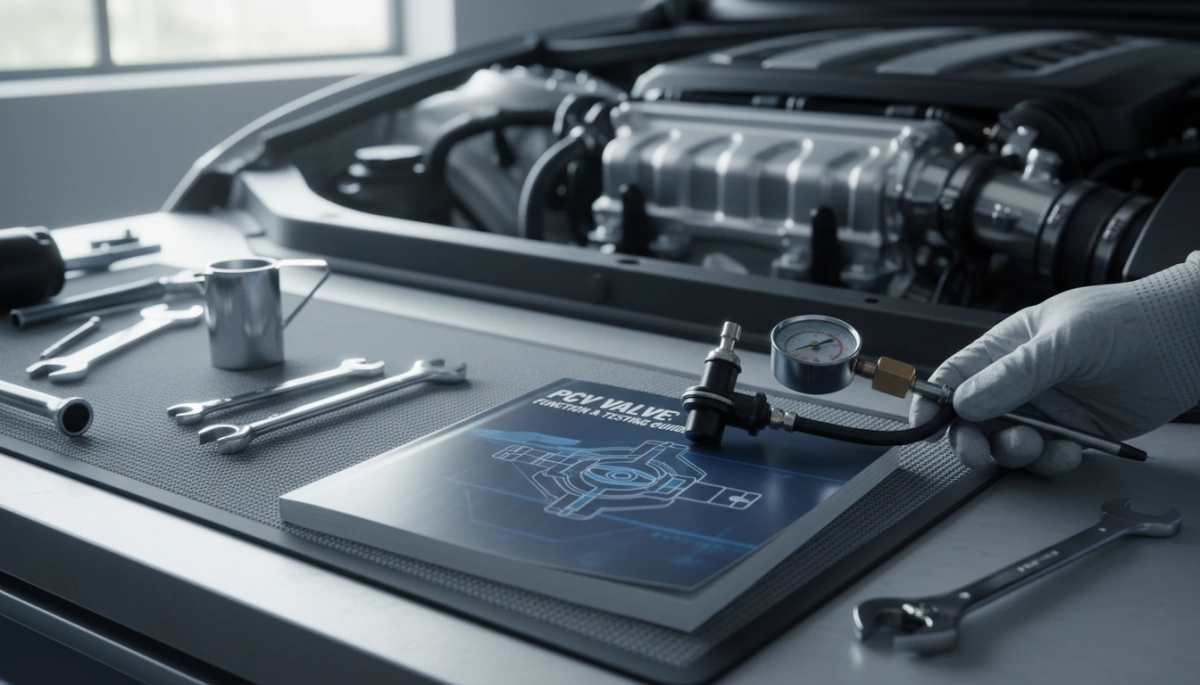
Finding the PCV Valve Location
Locating this component is the first step in maintaining your ventilation system. In most vehicles, the PCV valve is mounted on the valve cover or connected to the intake manifold. You can usually identify it by following the rubber breather hose that runs from the engine block to the intake system. It serves as a critical one-way valve, ensuring that blowby gases are directed correctly. Depending on the engine design, it may be a simple plastic component or a threaded metal valve, but its position is always strategic to manage engine pressure effectively.
Simple DIY Testing Methods
You can often determine the condition of the valve without advanced equipment. A common technique is the “shake test.” Remove the valve and shake it vigorously; a distinct rattling sound indicates the internal plunger is free, whereas silence suggests sludge buildup has caused it to be stuck open or closed. Additionally, with the engine idling, you can place your finger over the valve opening to check for suction. A functioning unit should exhibit strong vacuum pressure. For a more technical perspective on flow dynamics, our [in-depth analysis of PCV valve efficient operation]explains the mechanics behind proper airflow regulation.
Using Diagnostic Tools
For a precise assessment, relying on professional diagnostic tools is recommended. A vacuum gauge is essential for measuring the pressure within the intake manifold. Abnormal readings often point to a vacuum leak or a clogged ventilation crankcase.
Vacuum Gauge: Connect to an intake port to verify steady vacuum readings.
Smoke Machine: Useful for detecting leaks in the breather hose or connections.
OBD-II Scanner: Helps identify codes related to lean/rich fuel mixtures caused by valve failure.
Using these tools ensures that the airflow regulation meets the necessary standards for optimal engine performance.
PCV Valve Maintenance and Replacement
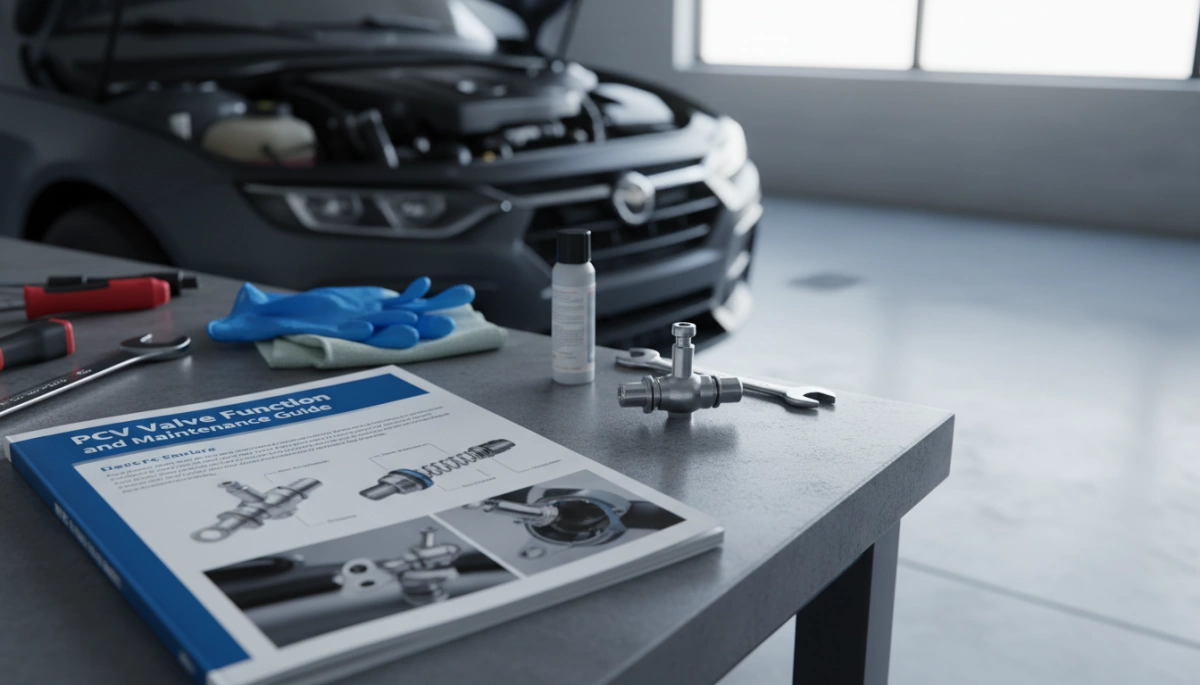
When Should You Replace the PCV Valve?
As a manufacturer committed to valve durability and performance, we understand that components eventually wear down. For the PCV valve, the maintenance schedule typically suggests replacement every 20,000 to 50,000 miles (roughly 30,000 to 80,000 kilometers), though this varies by vehicle manufacturer. Unlike the robust industrial valves we engineer for long-term automation, PCV valves are often made of plastic and simpler metals that degrade faster under high engine heat.
You should replace the valve immediately if you notice sludge buildup around the valve cover or if the valve becomes stuck open. A stuck valve can cause a vacuum leak, leading to rough idling and poor engine performance. If you shake the valve and it does not rattle, the internal spring or plunger is likely gummed up with oil deposits, indicating it has reached the end of its service life.
Step-by-Step Replacement Guide
Replacing a PCV valve is generally a straightforward process that restores proper airflow regulation. Always ensure the engine is cool before starting.
- Locate the Valve: Find the valve on the valve cover, usually connected to a breather hose.
- Disconnect the Hose: Carefully loosen the clamp and pull the hose off. Check the hose for cracks or blockages; a damaged hose can mimic a bad valve.
- Remove the Valve: Depending on the design, unscrew it (threaded) or pull it straight out (grommet style).
- Install the New Valve: Insert the new valve firmly. If it is a threaded metal type, ensure it is tightened correctly to prevent leaks. While mechanical valves are standard, some modern systems are evolving toward electronic control, functioning similarly to a compact design solenoid valve to manage flow with higher precision.
- Reconnect the Hose: Reattach the breather hose and secure the clamp. Start the engine to check for leaks or hissing sounds.
Tips for Extending PCV System Life
To maximize the lifespan of your intake system components, regular maintenance is non-negotiable. The most effective way to protect the PCV valve is through consistent oil changes. Old, dirty oil creates sludge that clogs the valve and the oil separator, restricting the flow of blow-by gases.
- Use High-Quality Oil: Synthetic oils resist thermal breakdown better, reducing the vapors that cause clogging.
- Inspect Hoses Regularly: A cracked hose defeats the purpose of the valve. Ensure all connections to the intake manifold are airtight.
- Clean the Area: When performing maintenance, wipe down the area around the valve to prevent external debris from entering the engine.
By adhering to these practices, you ensure the valve operates efficiently, maintaining the balance between relieving crankcase pressure and protecting the environment.
PCV Valve Replacement Costs and Considerations
Average Parts and Labor Costs
Replacing this component is generally one of the most affordable maintenance tasks for an engine. Since the positive crankcase ventilation valve is a relatively simple mechanical part, the component cost is usually low, often ranging between $10 and $50 depending on the vehicle model. However, labor costs can vary significantly based on accessibility.
If the valve is located right on top of the intake manifold, a mechanic might charge for less than half an hour of labor. In more complex engine bays where the ventilation system is buried under other components, labor costs can rise. Ignoring this low-cost repair can lead to expensive issues like seal failure or sludge buildup, so sticking to a proper maintenance schedule is financially smart.
- Part Cost: $10 – $50 (Estimated)
- Labor Cost: $50 – $150 (Varies by shop and difficulty)
- Total Estimated Cost: $60 – $200
Choosing the Right Replacement Valve
Not all valves are created equal. When selecting a replacement, it is critical to choose a one-way valve that meets the specific airflow regulation specifications of your engine. Using a generic or low-quality aftermarket part can result in incorrect flow rates, leading to engine pressure issues or a vacuum leak.
We always recommend opting for OEM (Original Equipment Manufacturer) or high-grade equivalent parts. In our experience with fluid control, whether for automotive or industrial applications, selecting components that enhance precision and reliability is essential to prevent recurring failures. A high-quality valve ensures the ventilation crankcase system operates efficiently, protecting your engine from harmful blowby gases and extending its service life.