

























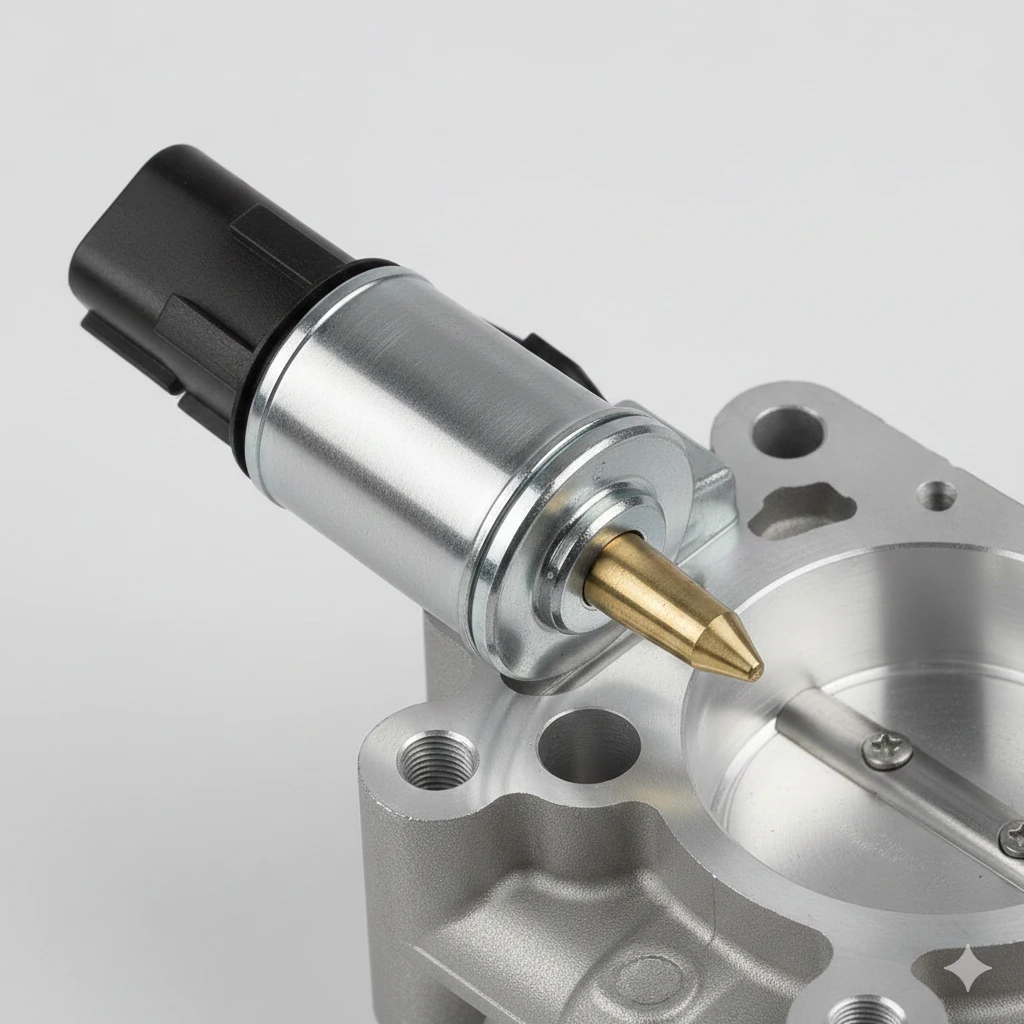
High quality idle air control valve for smooth engine idle precise airflow control and reliable performance for various vehicle models
Definition and Purpose in the Engine
The idle air control valve (IAC valve) is a precision electromechanical component designed to regulate air flow into the engine when the throttle is fully closed. As a manufacturer specializing in advanced solenoid valve and actuator technology, we understand that maintaining a stable engine speed requires exact fluid and air management. The primary purpose of the IAC is to bypass the closed throttle plate, allowing a calculated amount of air to enter the intake manifold. This ensures the engine maintains a steady idle speed without stalling, even when additional loads—such as air conditioning or headlights—are activated.
How the IAC Valve Works
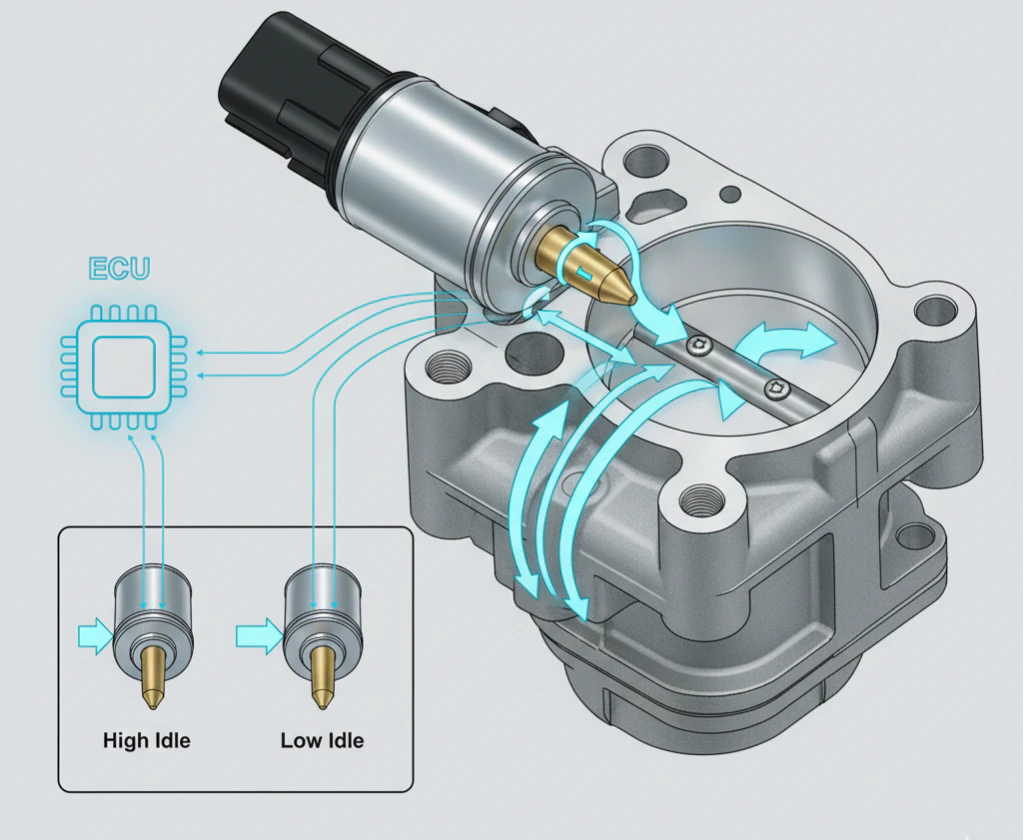
Functioning similarly to a linear solenoid valve or stepper motor, the IAC valve operates under the command of the vehicle’s Electronic Control Unit (ECU). The process involves precise electromechanical coordination:
- Signal Reception: The ECU monitors engine temperature and load, sending a voltage signal (typically 12V DC) to the valve.
- Actuation: The internal motor or solenoid extends or retracts a pintle shaft.
- Airflow Regulation: This movement opens or closes a bypass passage, adjusting the volume of bypass air entering the engine.
- RPM Stabilization: By meticulously controlling the air supply, the computer balances the air-fuel ratio to prevent RPM fluctuations.
Location of the IAC Valve
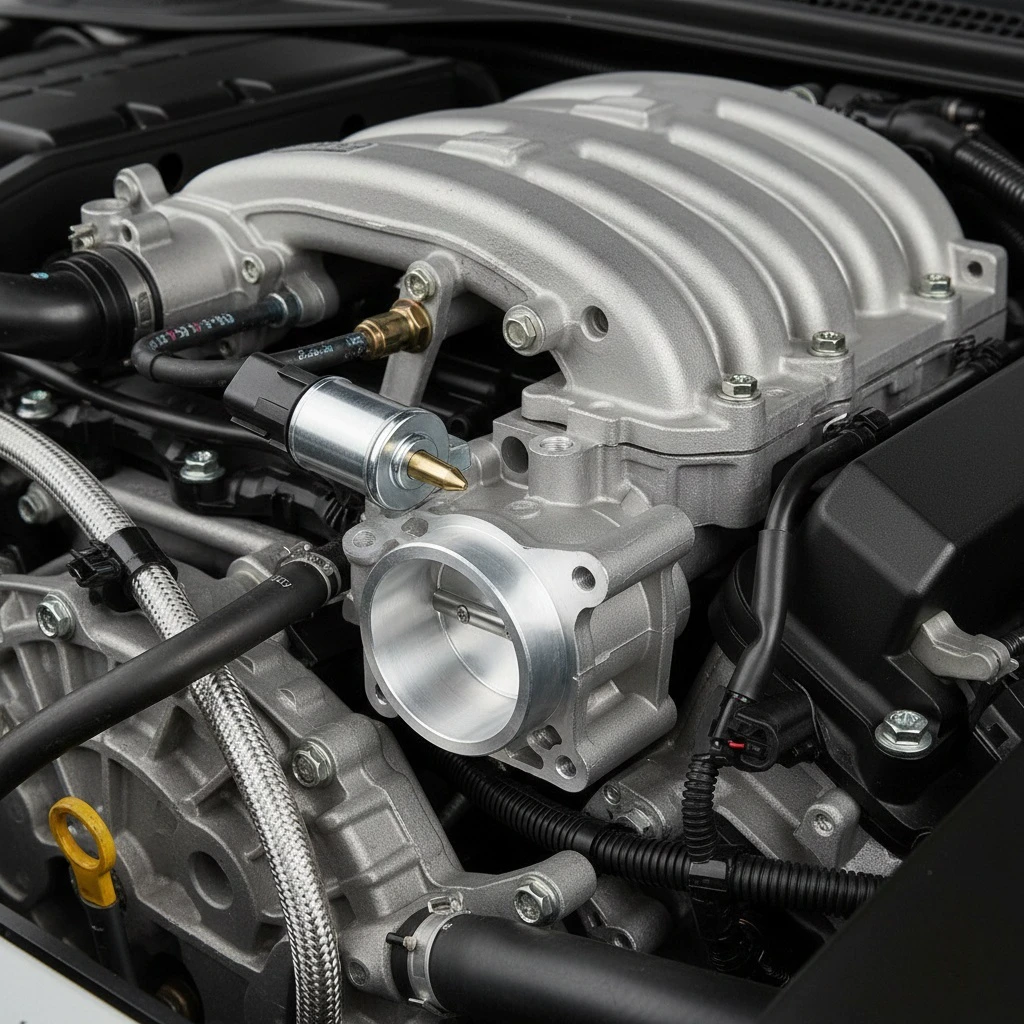
For efficient operation, the IAC valve is mounted directly on the throttle body, positioned behind the throttle plate. This strategic placement allows it to effectively divert air from the intake pipe into the intake manifold, bypassing the main throttle butterfly valve. Its accessibility is crucial for maintenance, as this area is prone to carbon buildup which can impede the precise movement of the valve’s internal components.
Common Symptoms of a Bad or Failing Idle Air Control Valve
When the idle air control valve starts acting up, your car usually tells you immediately. I’ve seen plenty of drivers ignore these signs, only to end up stranded or facing bigger repair bills. Recognizing a faulty IAC valve early is critical for maintaining proper engine performance.
Fluctuating or Irregular Idle Speed
This is often the first sign I look for. If you are sitting at a red light and the tachometer needle is bouncing up and down, you are likely dealing with an erratic idle. The IAC actuator is struggling to regulate the airflow, causing noticeable RPM fluctuations. The engine sounds like it is revving up and slowing down on its own, a condition mechanics often call “hunting.”
Frequent Engine Stalling
Nothing is more annoying than engine stalling every time you lift your foot off the gas pedal. When the valve is clogged or broken, it can’t supply enough air to maintain an unsteady idle speed. This often happens when slowing down for a stop sign or during moments of poor acceleration from a standstill. The engine simply suffocates and experiences engine shutdowns because the valve fails to catch the idle.
Rough Idling and Excessive Vibration
A healthy engine should purr, not shake the whole cabin. When the IACV fails to provide the right amount of bypass air, the engine runs rough. You will feel excessive vibration through the steering wheel or seat. This rough idling indicates the air-fuel ratio is off balance due to restricted airflow in the throttle body.
Illuminated Check Engine Light
Modern cars are smart. The engine management system constantly monitors idle speed. If the electronic control unit (ECU) detects that the actual RPMs don’t match the target because of a bad valve, it triggers the Check Engine Light. Scanning for codes usually reveals issues with the idle speed control circuit, confirming the sensor or motor is failing.
Primary Causes of IAC Valve Failure
At COVNA, we understand that even high-quality solenoid components have a lifespan, especially when exposed to the harsh environment of an engine bay. While we design our industrial control valve solutions for durability, the specific operating conditions of an idle air control valve make it susceptible to a few common failures. Identifying the root cause is essential before deciding whether to clean or replace the unit.
Carbon and Dirt Buildup
The single most frequent cause of failure is contamination. Because the IACV manages air bypassing the throttle body, it is constantly exposed to exhaust gases from the PCV system and airborne particulates. Over time, this creates a heavy layer of carbon and oil sludge (coking) on the pintle and the seat.
- Physical Obstruction: The buildup physically blocks the valve from opening or closing fully.
- Sticking Mechanism: The sludge acts like glue, preventing the stepper motor from making rapid adjustments to regulate air flow.
- Result: This leads to hard engine start conditions and RPM fluctuations because the valve cannot react quickly enough to the ECU’s commands.
Electrical Connector and Wiring Issues
Since the idle air control valve is an electromechanical device—often a solenoid or stepper motor—it relies entirely on clear signals from the electronic control unit (ECU). The extreme heat cycles under the hood can cause wiring insulation to become brittle and crack, leading to shorts or open circuits.
- Corrosion: Moisture intrusion can corrode the connector pins, increasing resistance and blocking the signal.
- Solenoid Burnout: Internal windings can fail due to voltage spikes or excessive heat, rendering the actuator dead.
- Vibration Damage: Constant engine vibration can loosen connections, causing intermittent engine stalling.
For more technical details on solenoid operation and maintenance, you can explore our industry insights and maintenance tips.
Vacuum Leaks in the Intake System
Sometimes, the IAC valve is functioning perfectly, but the symptoms suggest otherwise. A vacuum leak elsewhere in the intake manifold allows unmetered air to enter the engine, bypassing the mass airflow sensor.
- System Confusion: The ECU tries to compensate for the lean air-fuel ratio by adjusting the IAC, but the leak makes the idle uncontrollable.
- False Diagnosis: Mechanics often replace the valve when the real issue is a cracked hose or a bad intake gasket.
- High Idle: A significant leak often causes a persistently high or unsteady idle speed that the IAC cannot lower.

How to Diagnose and Test an Idle Air Control Valve
Diagnosing a faulty idle air control valve (IACV) requires a systematic approach to distinguish between a dirty valve, a failed motor, or an electrical issue. As experts in valve manufacturing, we know that precise actuation is critical for system stability. Here is how you can pinpoint the problem.
Visual Inspection for Clogs and Damage
Before grabbing advanced tools, start with a physical check. Carbon buildup is the most common enemy of the IAC actuator.
- Check the Connector: Inspect the electrical connector for corrosion, loose wires, or heat damage. A poor connection prevents the electronic control unit (ECU) from sending signals.
- Inspect the Port: Remove the valve and look into the throttle body port. Heavy deposits of black soot (carbon) can physically block the pintle from moving, causing erratic idle.
- Seal Integrity: Check the O-ring or gasket. A damaged seal causes a vacuum leak, leading to high RPM or engine stalling.
Testing Resistance with a Multimeter
If the valve looks clean but the engine still suffers from unsteady idle speed, the internal solenoid or stepper motor might be electrically dead. You can test the internal coils using a multimeter.
- Set the Multimeter: Turn the dial to the Ohms (Ω) setting.
- Measure Pins: Probe the terminals on the valve. While specifications vary by manufacturer, you generally look for a resistance reading between 10 to 14 Ohms.
- Interpret Results:
- Infinite Resistance (OL): The internal coil is broken (open circuit). The valve is dead.
- Zero Resistance: The coil is shorted.
- Correct Range: If resistance is within spec, the electrical component is likely fine, pointing the issue back to a mechanical jam or the ECU.
Just like a heavy-duty motorized control valve used in industrial fluid management, the small motor inside the IACV must have intact windings to function correctly.
Using an OBD-II Scan Tool for Error Codes
An OBD-II scanner is the fastest way to confirm if the engine management system has detected a fault. Plug the scanner into the port under the dashboard and look for specific diagnostic trouble codes (DTCs).
- P0505: Idle Control System Malfunction.
- P0506: Idle Control System RPM Lower Than Expected.
- P0507: Idle Control System RPM Higher Than Expected.
Beyond just reading codes, use the “Live Data” function on the scanner. Watch the “IAC Counts” or “IAC Position” while the engine is running. If the RPM fluctuations are severe but the IAC count doesn’t change, the ECU might be commanding the valve, but the valve isn’t responding. This confirms a stuck or failed unit.

Maintenance: How to Clean Your Idle Air Control Valve
Regular maintenance is the key to longevity for any precision component, whether it’s a massive industrial actuator or a small idle air control valve in an engine. Over time, carbon deposits and oil varnish can gum up the pintle, preventing the valve from moving smoothly. This resistance confuses the ECU, leading to RPM fluctuations and engine stalling. Cleaning the unit is often a cost-effective alternative to a full replacement, restoring proper air flow regulation.
Necessary Tools and Materials
Before you start pulling parts off the intake manifold, gather the right gear. You don’t need a professional shop setup, but using the correct supplies prevents damage to the sensitive solenoid electronics found inside the valve.
- Carburetor or Throttle Body Cleaner: Ensure it is sensor-safe to avoid damaging plastic components or seals.
- Screwdrivers and Socket Set: To remove the valve from the throttle body.
- Clean Rags or Shop Towels: For wiping away dissolved grime.
- Soft Brush: A toothbrush works well for scrubbing stubborn carbon buildup without scratching the metal.
- New Gasket: If the old one is brittle or cracked, it must be replaced to prevent a vacuum leak.
- Safety Gear: Gloves and eye protection, as cleaning solvents are harsh.
Step-by-Step Cleaning Process
Cleaning an IAC valve requires patience. The goal is to remove physical obstructions without forcing the internal mechanism, which can damage the stepper motor.
- Disconnect the Battery: Always disconnect the negative battery terminal before working on electrical sensors.
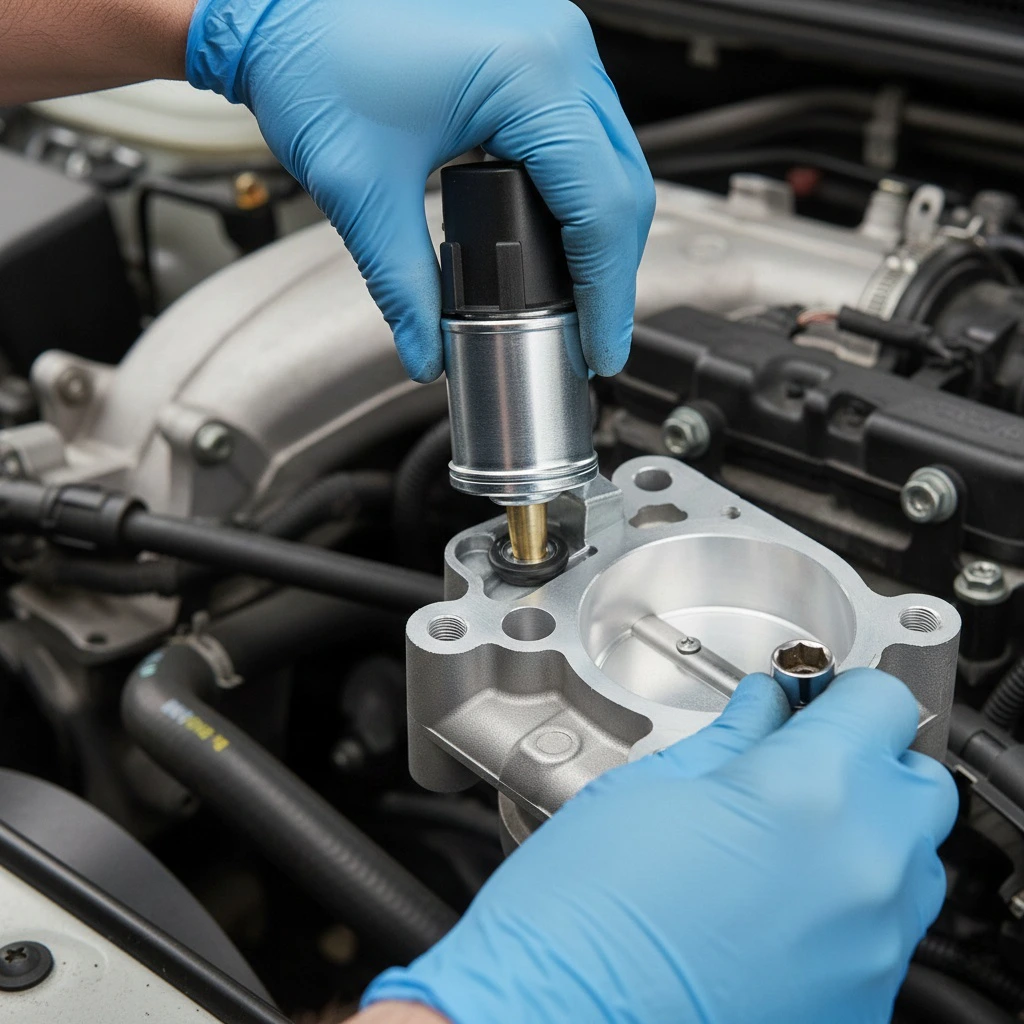
- Locate and Remove: Find the valve on the throttle body. Unclip the electrical connector and unscrew the mounting bolts.
- Inspect the Ports: You will likely see black soot covering the pintle (the pointed end) and the bypass ports.
- Apply Cleaner: Hold the valve with the solenoid (electrical part) facing up. Spray the cleaner onto the pintle and into the valve body. Do not soak the electrical housing; fluid intrusion here will destroy the unit.
- Scrub Gently: Use your soft brush to agitate the carbon. Repeat the spray-and-scrub process until the metal shines.
- Clean the Housing: Don’t forget to clean the mating surface on the throttle body where the valve sits. Just like maintaining a heavy-duty motorized control valve in a factory, ensuring a clean seating area is critical for a tight seal.
- Dry Thoroughly: Allow the valve to air dry completely before reassembly.
Reinstalling and Testing the Valve
Once the component is clean and dry, it is time to get the system back online. If the gasket looked worn during removal, install a new one now. A compromised gasket allows unmetered air to enter, which defeats the purpose of the repair and causes unsteady idle speed.
- Secure the Valve: Hand-tighten the bolts first, then torque them down evenly to ensure a flush seal.
- Reconnect Power: Plug the electrical connector back in and reconnect the battery.
- Idle Relearn: Start the engine. The idle might be high initially as the electronic control unit (ECU) recalibrates to the clean valve position. Let the engine run for a few minutes until the RPMs stabilize.
- Verify Performance: Check for smooth idling and ensure the check engine light remains off. If the erratic idle persists, the internal motor may be mechanically failed, requiring a full replacement.
Replacing the Idle Air Control Valve
When to Replace vs. Clean
Knowing when to swap out the component rather than just scrubbing it is crucial for long-term reliability. If the issue is strictly carbon buildup inside the throttle body or on the pintle, a thorough cleaning often restores proper idle speed. However, cleaning cannot fix internal electrical failures. If the stepper motor inside the valve has failed, or if there is a short in the internal windings, the faulty IAC valve must be replaced immediately. Additionally, if the internal spring is worn out or the housing is cracked causing a vacuum leak, no amount of solvent will resolve the erratic idle. We always recommend testing the resistance with a multimeter first; if the readings are out of spec, a replacement is the only solution.
Multimeter Testing: Always verify resistance values before deciding to replace the valve.
Carbon Buildup vs. Electrical Failure: Cleaning only works for carbon deposits, not internal faults
Stepper Motor Damage: A failed motor or shorted winding requires immediate replacement.
Vacuum Leak Risk: Cracked housings or worn springs will continue to cause unstable idle.
Step-by-Step Replacement Guide
Replacing the valve is generally a straightforward process that restores engine performance and prevents engine stalling. Follow this standard procedure to ensure a proper fix:
- Safety First: Disconnect the negative battery terminal to prevent electrical shorts and reset the electronic control unit (ECU).
- Locate the Valve: Find the IAC valve mounted on the intake manifold or directly on the throttle body.
- Disconnect Wiring: Unclip the electrical connector. Inspect the wiring harness for any signs of corrosion or damage.
- Remove the Part: Unscrew the mounting bolts holding the valve in place. Be careful not to drop the bolts into the engine bay.
- Clean the Mating Surface: Remove old gasket material from the mounting surface. It must be perfectly clean to prevent unmetered air from entering.
- Install the New Valve: Position the new gasket and valve. Tighten the bolts to the manufacturer’s torque specifications. Do not overtighten, as this can crack the housing.
- Reconnect and Test: Plug the electrical connector back in and reconnect the battery.
- Idle Relearn: Start the engine. The RPMs might fluctuate initially as the computer relearns the new idle air control parameters.
Just as we ensure precision in our industrial pneumatic globe valves for complex airflow systems, ensuring the correct installation of your IAC is vital for maintaining a steady air-fuel ratio.
Estimated Replacement and Labor Costs
For the US market, costs vary depending on whether you opt for OEM or aftermarket parts. A standard idle air control valve typically costs between $40 and $150 for the part alone. If you hire a professional mechanic, expect to pay for roughly one hour of labor, which generally ranges from $80 to $120. Consequently, the total repair cost usually falls between $120 and $270.
Engine Management Protection: Proper replacement helps maintain stable idle and ensures the engine management system operates efficiently.
OEM vs. Aftermarket Pricing: OEM parts are more expensive but offer guaranteed fit and reliability.
Labor Cost Range: Professional installation typically adds $80–$120 to the bill.
DIY Advantage: Since the valve is often easily accessible, many owners choose to handle the replacement themselves to save on labor costs.
Frequently Asked Questions About IAC Valves
Can You Drive with a Bad IAC Valve?
Technically, you can drive with a failing idle air control valve, but I wouldn’t recommend it for long. Since the IACV regulates air flow when your foot is off the gas, a failure means your engine will likely stall every time you come to a stop sign or red light. You might find yourself having to “two-foot” the car—keeping one foot on the brake and the other lightly on the gas pedal to keep the RPMs up.
While it won’t typically cause catastrophic engine damage immediately, the constant engine stalling and difficulty starting create a safety hazard in traffic. It also puts extra stress on your starter motor and battery from frequent restarts.
How Long Does an IAC Valve Typically Last?
An idle air control valve is designed to last the lifespan of the vehicle, but real-world conditions often cut that short. You can typically expect an IAC valve to function properly for 70,000 to 100,000 miles.
The lifespan depends heavily on maintenance and driving conditions. The primary enemy of the IAC actuator is carbon buildup and sludge from the intake manifold. If you regularly perform throttle body cleaning and keep your air filter fresh, the valve can last much longer. However, since it is an electromechanical part with a stepper motor, the internal windings can eventually wear out or short circuit, requiring a full replacement.
Does a Faulty IAC Valve Affect Fuel Economy?
Yes, a bad IAC valve can negatively impact your fuel economy, though usually indirectly. When the valve fails, the electronic control unit (ECU) struggles to manage the idle speed, often leading to:
- Rich running conditions: The engine management system may dump extra fuel to compensate for erratic airflow.
- Wasted fuel: Constant stalling and the need to rev the engine to keep it running burn unnecessary gas.
- Rough operation: An unsteady idle speed prevents the engine from running at its most efficient range during stops.
While it might not drain your tank as fast as a bad oxygen sensor, ignoring a faulty IACV will definitely reduce your miles per gallon over time.