
























With Thanksgiving approaching, many factories and plants are preparing for holiday shutdowns, reduced staffing, or delayed maintenance schedules. If you are responsible for pipeline systems, this is exactly the time when a small valve problem can turn into a serious operational risk.
A leaking ball valve is not just an inconvenience. In real-world industrial environments, it often leads to:
- Sudden pressure drops in the system
- Media loss (water, gas, oil, chemicals)
- Safety risks for operators
- Emergency repairs during holidays — when spare parts and technicians are harder to arrange
If you’ve noticed drips, moisture around the valve body, or pressure instability, your ball valve may already be failing.
At COVNA GROUP CO., LTD, we work daily with customers facing these exact problems. As a world-leading valve manufacturer specializing in solenoid, pneumatic, and electric valves, COVNA helps users identify whether a valve can be fixed—or should be replaced—before it causes downtime.
In this guide, we’ll walk you through why your ball valve is leaking and exactly what to do, step by step, before the Thanksgiving holiday.
1. Common Causes of Ball Valve Leaks
Leaking ball valves are one of the most common issues in industrial pipelines. Understanding the causes can help you prevent unexpected problems:
- Wear and Tear: Over time, valve seats and seals may degrade, causing leaks.
- Improper Installation: Incorrect torque, misalignment, or loose connections can result in leakage.
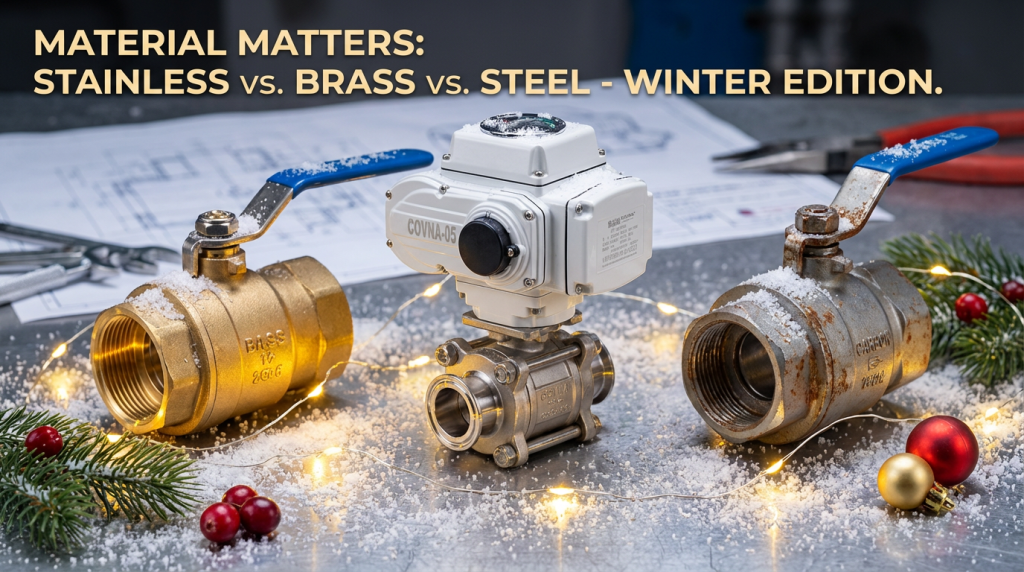
- Corrosion: Harsh fluids or environmental conditions may corrode valve components.
- Cold Weather or Thermal Stress: Temperature fluctuations can warp materials or affect seals.
- Lack of Lubrication: Insufficient lubrication can cause friction, leading to leaks.
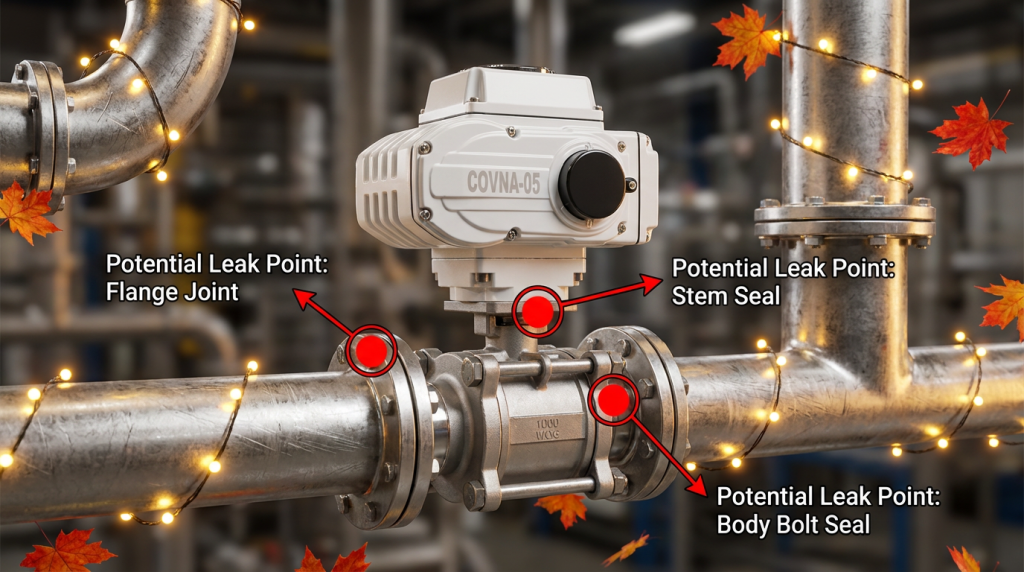
2. How to Inspect Your Ball Valve
Regular inspection is key to preventing leaks, especially before holiday shutdowns:
- Visual Inspection: Check for corrosion, cracks, or visible leaks.
- Handle & Actuator Check: Ensure smooth operation of manual handles or electric actuators.
- Pressure Test: Test the valve under normal working pressure to detect leaks.
- Manufacturer Guidelines: Follow COVNA’s maintenance recommendations for your specific valve model.

3. How to Fix a Leaking Ball Valve Before Thanksgiving
Once you identify the cause, proper repair or replacement is crucial:
- Tighten or Replace Seals: Most minor leaks are caused by worn or loose seals.
- Clean & Lubricate Components: Remove debris and apply manufacturer-approved lubricants.
- Replace Worn Valves: COVNA offers durable electric and manual ball valves built to withstand harsh conditions.
- Follow Proper Installation Techniques: Ensure torque and alignment meet COVNA guidelines.
“Ensure reliable industrial operations this Thanksgiving by replacing aging valves with COVNA’s high-quality ball valves. Contact our experts for rapid guidance and solutions.”
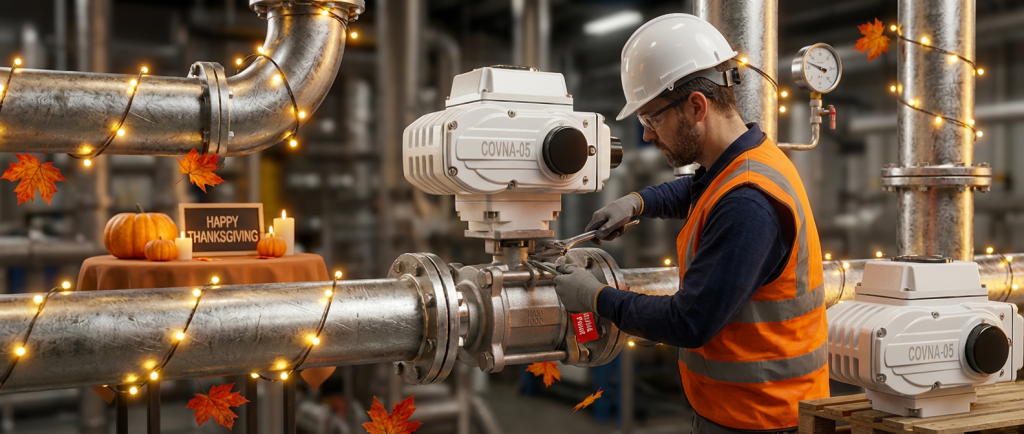
4. Tips for Preventive Maintenance
Preventive maintenance ensures your valves remain reliable throughout the holiday season:
- Schedule inspections before holiday shutdowns.
- Monitor pressure and flow regularly.
- Keep spare valves and parts ready for quick replacement.
- Train staff on troubleshooting and emergency procedures.
Need Professional Help with Your Valve System?
Valve issues rarely have one-size-fits-all answers. Whether you are dealing with a leaking ball valve, selecting the right valve material for harsh conditions, or planning preventive maintenance before a holiday shutdown, getting the right technical guidance early can save time, cost, and risk.
At COVNA GROUP CO., LTD, our experienced technical team is ready to support you with professional valve selection advice and practical application solutions based on your actual operating conditions.
If you have any questions related to ball valves, solenoid valves, pneumatic valves, electric valves, or complete pipeline control systems, feel free to contact us directly:
📧 Email: [email protected]
📱 WhatsApp: +86 135 5664 6018
We respond quickly and focus on helping you find the most reliable and suitable solution, not just selling a product.
COVNA is here to support you—before small valve issues turn into major system problems.