A control valve is used to regulate the flow, pressure, and direction of fluids in a pipeline. Choosing the wrong valve can lead to unstable flow, pressure fluctuations, leakage, and even equipment failure.
When selecting a control valve, pipe size and price are not enough. The fluid, operating pressure, temperature, control method, and installation conditions all affect valve performance.
So, how do you choose the right control valve for an industrial pipeline? And what should you check during installation?
1. Three Things to Check Before Selecting a Control Valve
1. What Is the Working Medium?
First, identify the fluid that will pass through the valve. Common media include water, steam, air, oil, and chemical liquids.
Different fluids require different materials for the valve body, seat, and seals.
- Water: Consider the water temperature, operating pressure, and corrosion conditions when selecting materials.
- Steam: Check the valve's pressure and temperature ratings, as well as the suitability of its sealing materials.
- Corrosive fluids: Make sure the valve body, seat, and seals can withstand the chemical properties of the medium.
For example, AISI 316 stainless steel and PTFE may be suitable for certain corrosive applications. However, their suitability depends on the fluid composition, concentration, temperature, and pressure.
Do not choose a valve based on its material name alone. Always check whether the materials are compatible with the actual working conditions.
2. What Does the Valve Need to Do?
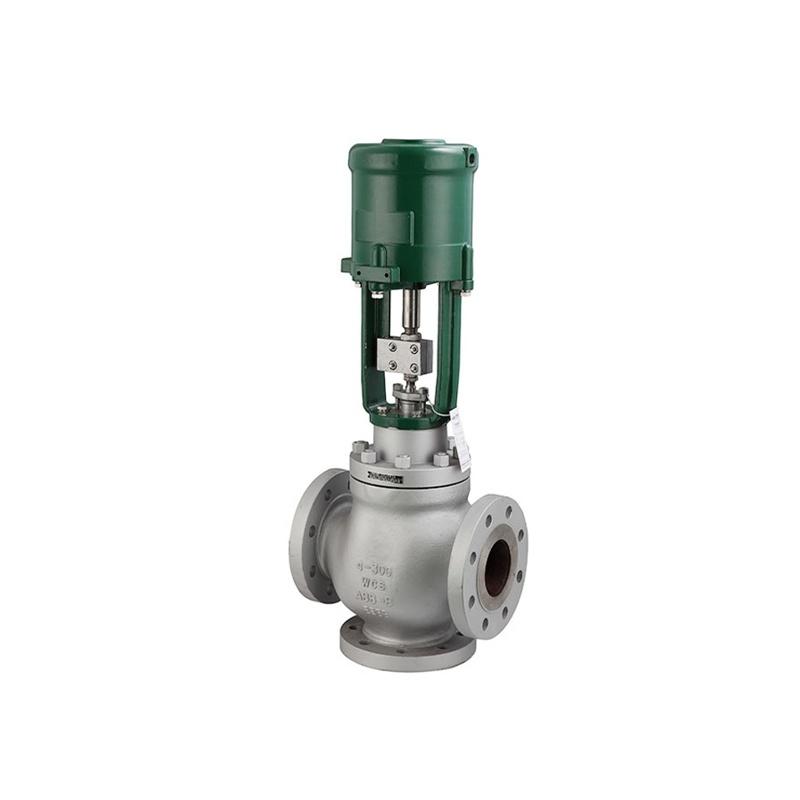
Before choosing a valve, determine whether the system requires simple on/off operation or continuous flow control.
Common control requirements include:
- On/off control: Opening or closing the pipeline.
- Flow regulation: Adjusting the flow rate according to process requirements.
- Flow distribution or mixing: Diverting flow between different pipelines or mixing fluids.
For example, a two-way control valve has one inlet and one outlet. It is mainly used to control fluid flow in a single pipeline.
Depending on its design and actuator configuration, it may provide on/off control or proportional flow regulation.
One important point: a standard electric ball valve is not always suitable for accurate flow control.
If the application requires continuous flow adjustment, check whether the valve is designed for modulating service and whether the electric actuator Valves supports the required positioning and feedback functions.
3. What Are the Control System Requirements?
If the valve needs to connect to a PLC system, confirm the control requirements before ordering.
Important details include:
- Control signal type
- Actuator operating time
- Whether valve position feedback is required
- Whether Modbus RTU or HART communication is needed
- Whether explosion-proof certification is required
For installations in hazardous areas, the valve and actuator must meet the requirements of the specific area classification.
Do not rely on the explosion-proof marking alone. Check the hazardous area classification, gas group, temperature class, and applicable certification requirements.
2. Three Common Problems During Control Valve Installation
1. Installing the Valve in the Wrong Flow Direction
Some valves have specific flow direction requirements. An arrow on the valve body usually indicates the recommended flow direction.
If a valve that requires directional installation is installed incorrectly, it may cause unstable operation, faster seat wear, or reduced sealing performance.
Before installation, check the markings on the valve body and follow the manufacturer's instructions.
Keep in mind that not all ball valves and butterfly valves are designed for one-way flow. The installation requirements depend on the specific valve design.
2. Not Providing Enough Straight Pipe Length
Elbows, tees, reducers, and pumps installed too close to a valve can disturb the flow pattern and create uneven flow distribution.
Under certain conditions, this may cause valve vibration or unstable flow control.
The required straight pipe length before and after a valve depends on its design, pipeline layout, and the manufacturer's recommendations.
There is no universal rule that every valve must have 5D of straight pipe upstream and 3D downstream. Always check the product instructions and project requirements before installation.
3. Ignoring Thermal Expansion in the Pipeline

Metal pipes expand when heated and contract when cooled.
If the pipeline does not have proper supports or thermal expansion compensation, additional stress may be transferred to the valve body and flange connections. This can increase the risk of deformation and leakage.
During installation, pay attention to the following:
- Provide suitable pipe supports and thermal expansion compensation according to the pipeline design.
- Make sure the flanges on both sides of the valve are properly aligned.
- Tighten the connecting bolts evenly.
- Select the correct gasket and bolt tightening torque according to the design requirements.
Do not force the pipeline into position to fit the valve. This can place unnecessary stress on the valve body and connections.
3. How to Choose the Right Control Valve
For industrial buyers, it is helpful to prepare the following information before asking a supplier to recommend a valve.
| Selection Item | Information to Confirm |
|---|---|
| Valve size | DN or NPS |
| Operating pressure | Normal pressure, maximum pressure, and differential pressure |
| Operating temperature | Minimum and maximum operating temperatures |
| Working medium | Water, steam, air, oil, or chemical fluids |
| Valve body material | Stainless steel, carbon steel, PVC, etc. |
| Sealing material | PTFE, graphite, or other suitable materials |
| Operation method | Manual, electric, or pneumatic |
| Control requirement | On/off or modulating control |
| Connection type | Flanged, threaded, or other connections |
For automated applications, also confirm the actuator's power supply, control signal, output torque or thrust, and whether position feedback is required.
COVNA offers products such as electric control valves, pneumatic control valves, electric ball valves, pneumatic ball valves, and electric butterfly valves. These products have different designs and control capabilities, so the right model should be selected according to the actual application.
If the system requires continuous flow regulation, check the valve's flow characteristics, flow capacity, and actuator positioning functions. If the application only requires pipeline isolation, choose a shut-off valve that meets the operating conditions.
4. What Should You Check About Control Valve Quality?
The quality of an industrial valve cannot be judged by its appearance alone. Key components, assembly quality, and test results also need to be checked.
When evaluating a valve, pay attention to the following:
- Whether the valve body material and main components meet the order requirements.
- Whether the valve dimensions and connection sizes are correct.
- Whether the valve seat and sealing components are properly installed.
- Whether the actuator is correctly matched to the valve.
- Whether pressure and leakage tests have been carried out according to the applicable requirements.
- Whether test reports and technical documents are available for the specific model.
For industrial buyers, the test report should correspond to the actual valve model being purchased.
Testing and certification requirements vary depending on the valve type and application. Always check the relevant product documents before making a purchasing decision.
5. Frequently Asked Questions (FAQ)
Q1: What are the most important parameters when selecting a control valve?
Start with the working medium, operating pressure, and temperature. Then consider the valve size, material, control method, and connection standard. Do not select a valve based on pipeline size alone.
Q2: Can control valves be used in steam systems?
Yes, but you must check whether the valve's pressure rating, temperature rating, and sealing materials are suitable for the steam operating conditions. The actual operating pressure and temperature range should also be confirmed.
Q3: Can an electric ball valve replace an electric control valve?
Not always. A standard electric ball valve is mainly designed for on/off operation. If the application requires continuous and accurate flow regulation, choose a valve and actuator designed for modulating control.
Q4: How much straight pipe is required before and after a control valve?
There is no single requirement for all valves. The required length depends on the valve design, pipeline layout, and manufacturer's installation instructions. Do not apply the 5D upstream and 3D downstream rule to every installation.
Q5: How can I check whether a control valve is suitable for my pipeline system?
Provide the supplier with the pipe size, working medium, operating pressure, temperature, flow rate, and control requirements. Also confirm the valve body material, sealing material, connection type, and actuator specifications. For more demanding applications, differential pressure and other operating conditions may also be required.
Conclusion
The key to selecting a control valve is matching its design, materials, and control method to the actual working conditions.
Before purchasing, confirm the medium, pressure, temperature, and control requirements. During installation, check the flow direction, straight pipe length, and pipeline stress.
These checks can help reduce selection and installation problems and improve the reliability of the pipeline system.
If you are sourcing control valves for an industrial project, prepare the operating parameters first. This will make it easier to identify a suitable valve and actuator for your application.