























Recent Posts
-
 What is an Idle Air Control (IAC) Valve?2026-01-22/0 Comments
 -
-

-
-

COVNA's HK60-Q-3PS series electric actuator ball valve adopts advanced electric control technology and high-quality stainless steel structure, providing stable and reliable solutions for industrial automation and fluid control. This series of products, with its compact three-piece design and female threaded connection, makes installation and maintenance more convenient, while ensuring excellent performance in high pressure and complex media environments.
Product Features
Intelligent control: supports standard on/off control and 4-20mA, 0-10VDC adjustment mode to achieve precise flow regulation, meeting a variety of needs from simple switching to fine control.
Reliable sealing: The default PTFE seat ring design is combined with excellent corrosion-resistant stainless steel (such as 304/316) material to ensure long-term sealing and stable operation of the valve body in a variety of media (such as water, oil, gas, corrosive liquids).
Multiple voltage options: 12V, 24V DC and 24V, 110V, 220V, 380V AC and other voltages are available to adapt to different industrial environments, providing users with flexible configuration possibilities.
Convenient installation: Female threaded connection design (minimum 1/4 inch) and modular three-piece structure greatly simplify on-site installation and subsequent maintenance.
Technical parameters
The HK60-Q-3PS series has a variety of technical specifications:
Caliber range: from 1/2 inch to 4 inches, which can be selected according to actual working conditions.
Working pressure: 10bar, 16bar, 25bar, 40bar to 64bar are available to meet high-pressure operation requirements.
Temperature range: Suitable for working conditions from low temperature to a maximum of 180°C.
Torque output: ranging from 50Nm to 4000Nm, ensuring fast response and precise control in various applications.
In the future, with the continuous upgrading of industrial automation, intelligent manufacturing, energy conservation and environmental protection, this ball valve will surely demonstrate its excellent performance in more fields, provide users with more economical, efficient and safe control solutions, and promote the entire industry to achieve a higher level of technological development and application innovation.

In the field of industrial automation and fluid control, the requirements for valves are increasing day by day. Whether it is heating, ventilation and air conditioning (HVAC) systems, or flow regulation in water treatment and chemical processes, a control element with flexible operation, low energy consumption and high reliability is required.
Product Features and Advantages
The HK60-D-C Series Electric Butterfly Valve adopts advanced electric actuators, which not only supports standard on/off operation, but also can achieve precise control through a variety of adjustment signals such as 4-20mA or 0-10VDC. This flexible control method ensures that the valve remains stable and efficient between smooth switching, meeting different needs from simple switching to complex regulation occasions. The product adopts a quarter-turn full open or full closed design, and only 90° rotation is required to achieve command response, thereby greatly reducing the demand for operating torque, saving energy and extending the service life of the valve.
This series of valves adopts a wafer type installation structure, which is convenient for direct clamping between flanges, simplifying the installation process and system modification. For the valve body material, users can choose cast iron, ductile iron or even stainless steel (304 or 316) according to the working conditions; the sealing material has different options such as NBR, EPDM and VITON, ensuring the ideal use effect in a variety of media (such as air, water, oil, gas, etc.).
Technical parameters and intelligent performance
The HK60-D-C series 4-inch electric butterfly valve has a wide range of sizes and pressures. Conventional diameters are available from 2 inches to 24 inches, while the 4-inch version has the advantages of both standardization and customization. Its design focuses on low-torque operation, which greatly improves the efficiency of fluid passage and reduces energy waste caused by turbulence and pressure loss. Equipped with a high-precision feedback signal system, the valve can quickly and accurately adjust to the set position after receiving the control signal, and still maintain the "last position" in the case of power failure, ensuring the continuous and stable operation of the system.
In terms of intelligence, the HK60-D-C series not only supports standard electrical signal control, but also can achieve more detailed flow regulation by modulating signals. Combined with fieldbus (such as MODBUS, PROFIBUS, etc.) and remote monitoring technology, the valve can achieve intelligent diagnosis and real-time data feedback, providing strong support for system automation and industrial Internet.
This multi-field applicability not only reflects COVNA's profound foundation in product research and development, but also provides industrial users with a variety of practical control solutions, promoting the continuous development of industrial automation and energy conservation and environmental protection.
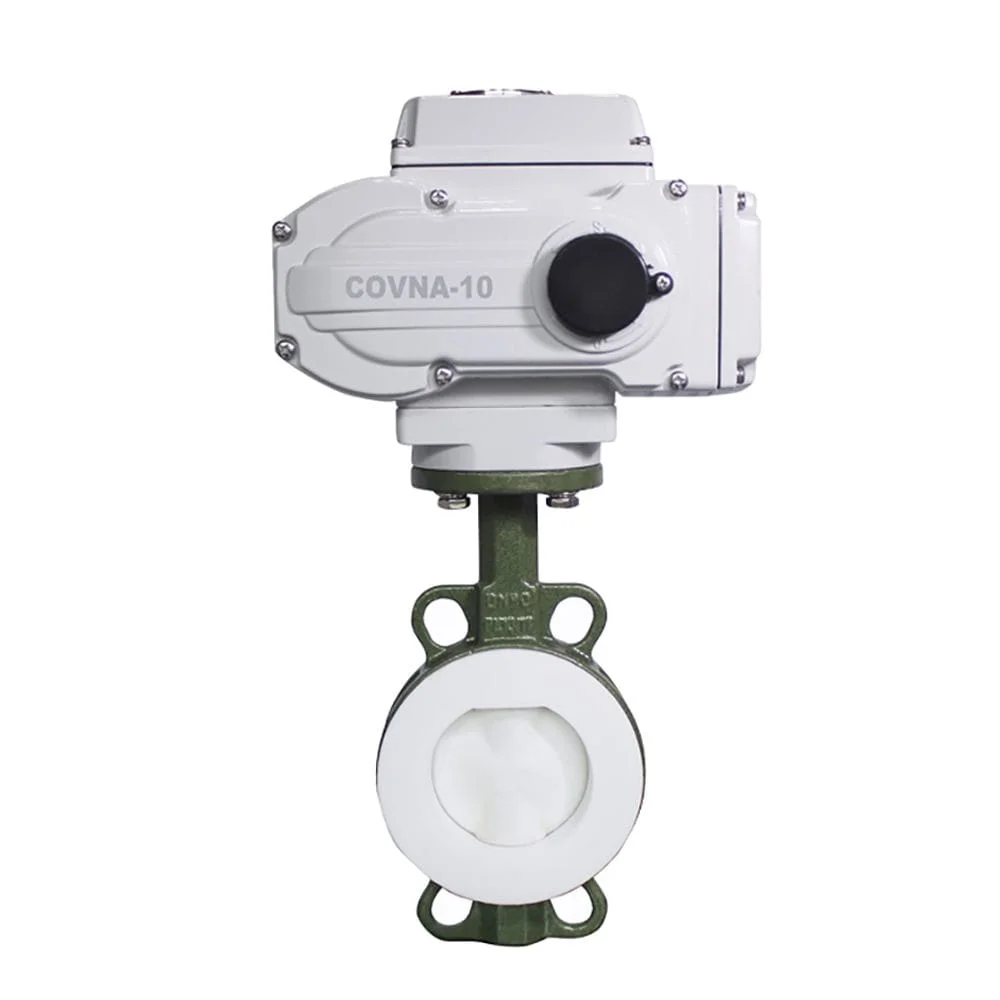
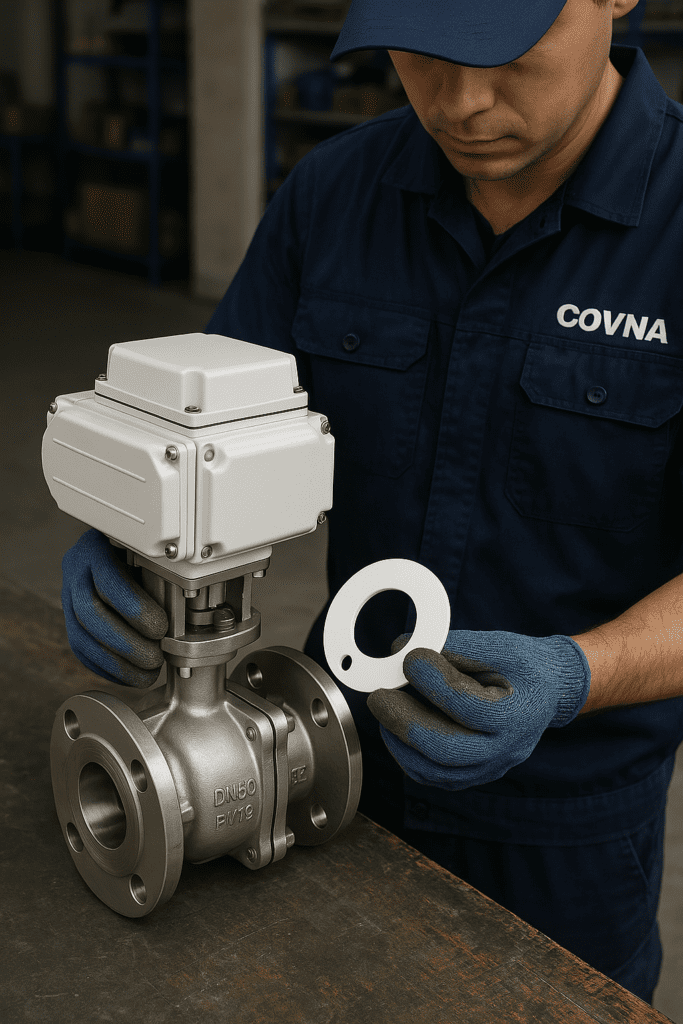
Knowing how to change valve cover gasket is essential for maintaining engine performance and preventing oil leaks. Over time, this gasket can wear out due to heat and pressure, leading to reduced efficiency. Here’s a step-by-step guide to replacing it, ensuring a secure seal with COVNA’s reliable gasket solutions.
- Preparation – Before starting, gather the necessary tools: a socket wrench, screwdriver, gasket sealant, and a new COVNA valve cover gasket.
- Disconnect Components – Remove any hoses or wiring obstructing the valve cover. Use a wrench to loosen and remove the bolts securing the cover.
- Remove Old Gasket – Carefully lift the valve cover and peel off the worn gasket. Clean the surface to ensure a proper fit for the new gasket.
- Install New COVNA Gasket – Position the new gasket in place, applying a thin layer of gasket sealant if necessary.
- Reattach Valve Cover – Secure the cover with bolts, tightening them evenly to prevent warping.
- Reconnect Components – Restore hoses and wiring, then start the engine to check for leaks.
Following this process ensures a proper seal, preventing oil leaks and maintaining optimal engine function with COVNA’s durable gasket solutions. Understanding how to change valve cover gasket helps extend the life of your vehicle.